
Planting
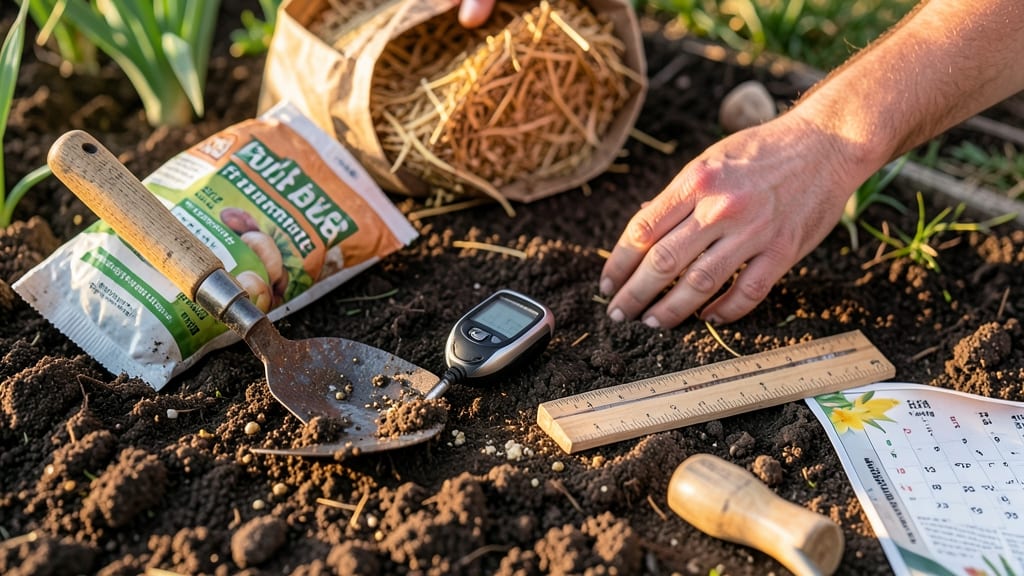
Timing your garden bulbs planting perfectly is the secret to those showstopping spring blooms you’ve been waiting for. Whether you’re dreaming of tulips or daffodils, getting the fall planting window right in your USDA Zone 6a can mean the difference between vibrant flowers and disappointment.
Most gardeners know fall is the prime time to plant bulbs, but did you know the exact window is 6-8 weeks before your first frost? For Zone 6a, that means mid-September to early October—giving roots time to establish before winter.
But what if you missed that window? Don’t worry, I’ll show you how to adjust for spring planting too.
You’ll learn how to prepare your soil, how deep to plant those 🌱 bulbs, and even how to troubleshoot common mistakes that kill blooms before they begin. Let’s make sure your garden is ready to burst with color next spring!
From choosing the right bulbs to understanding frost dates, this guide covers everything you need to know. Whether you’re a beginner or a seasoned gardener, you’ll leave here with a clear, step-by-step plan for planting bulbs that thrive year after year.
Fall planting for bulbs: the best time by USDA hardiness Zone
Planting bulbs in the fall is the golden rule for most gardeners in USDA Zones 3-9. This timing lets bulbs establish roots before winter dormancy, ensuring robust blooms next spring.
The key? Plant 6-8 weeks before your first frost date—this window varies by region but typically falls between September and November.
For example, in Zone 5, aim for mid-October, while Zone 8 gardeners should plant by early November. Check your local last frost date and count backward to pinpoint your ideal window. Pro tip: Use a soil thermometer—bulbs thrive when soil temps drop to 60°F (15°C).
Popular bulbs like tulips, daffodils, and crocuses are classic fall plants. These varieties need cold stratification to break dormancy, making fall the perfect time. Even hyacinths and alliums benefit from this timing, though some tropical bulbs (like canas) are exceptions.
Before planting, prepare your soil by amending it with compost or aged manure to improve drainage. Bulbs rot in soggy soil, so ensure your garden bed has a well-draining mix. Loosen the soil to 12-15 inches deep—this gives roots room to grow without competition.
| USDA Zone | Ideal Planting Window | Soil Temp Goal | Bulb Examples |
|---|---|---|---|
| Zones 3-4 | Mid-September to early October | 50-60°F (10-15°C) | Tulips, Daffodils, Crocuses |
| Zones 5-6 | Late September to mid-October | 55-60°F (13-15°C) | Hyacinths, Alliums, Snowdrops |
| Zones 7-9 | October to early November | 60-65°F (15-18°C) | Lilies, Fritillaries, Muscari |
When planting, dig holes 2-3 times as deep as the bulb’s height and twice as wide. Place the bulb with the pointy end up—this ensures proper growth. Space smaller bulbs (like crocuses) 3-4 inches apart, while larger ones (like tulips) need 6-8 inches of space.
After planting, water deeply to settle the soil and encourage root growth. Avoid overwatering, as bulbs need well-draining soil to prevent rot. A 1-inch layer of mulch (like straw or shredded leaves) helps insulate roots during winter.
Just be sure to remove mulch in early spring to avoid smothering emerging shoots.
Fall-planted bulbs will reward you with earlier and more vibrant blooms compared to spring planting. Plus, they’re less likely to suffer from pests or diseases that thrive in warm soil.
For best results, mark your planting spots with stakes or flags—this helps you remember where bulbs are planted and avoids accidental digging in spring.
If you miss the fall window, don’t panic! Some bulbs (like dahlias and gladioli) can be planted in early spring, but they’ll bloom later in the season. For now, focus on nailing that fall timing—your future spring garden will thank you!
🌱
Fall planting for bulbs: the best time by USDA hardiness Zone
Fall is the golden window for planting most garden bulbs, allowing roots to establish before winter dormancy. For USDA Zones 3-9, this means aiming for 6-8 weeks before your first frost.
In Zone 6a, that’s typically mid-September to early October—just enough time for roots to grow before the ground freezes.
Why fall? Cooler temperatures reduce stress on bulbs, and winter’s chill actually helps them stratify—a natural process that breaks dormancy. Popular bulbs like tulips, daffodils, and crocuses thrive when planted in fall, but timing varies slightly by zone. Let’s break it down so you can plant with confidence.
| USDA Zone | Planting Window | Key Bulbs | Soil Temp Goal |
|---|---|---|---|
| 3-5 | Late August to mid-October | Tulips, Daffodils, Hyacinths | 40-50°F |
| 6-7 | Mid-September to early November | Crocuses, Alliums, Snowdrops | 50-60°F |
| 8-9 | October to December | Caladiums, Canas, Rain Lilies | 60-70°F |
Before planting, prepare your soil by mixing in compost or aged manure to improve drainage and fertility. Bulbs hate soggy soil, so amend heavy clay or sandy soil with organic matter. For Zone 6a, aim for a soil temperature between 50-60°F—use a soil thermometer if unsure.
Plant bulbs 2-3 times as deep as their height, with the pointy end facing up. Space smaller bulbs like crocuses 3-4 inches apart, while larger ones like tulips need 6 inches of space. Mulch lightly after planting to protect roots from freezing temperatures.
Missed the fall window? No problem—spring planting works for Zones 8-10 or if you’re in a mild climate. Just plant as soon as the soil is workable, typically 4-6 weeks before your last frost date. Spring-planted bulbs may bloom later but still deliver stunning results.
Remember, the key to success is consistent moisture after planting. Water deeply once a week until the ground freezes, then let nature take over. With the right timing and care, your garden will reward you with vibrant blooms next spring!