
Plants
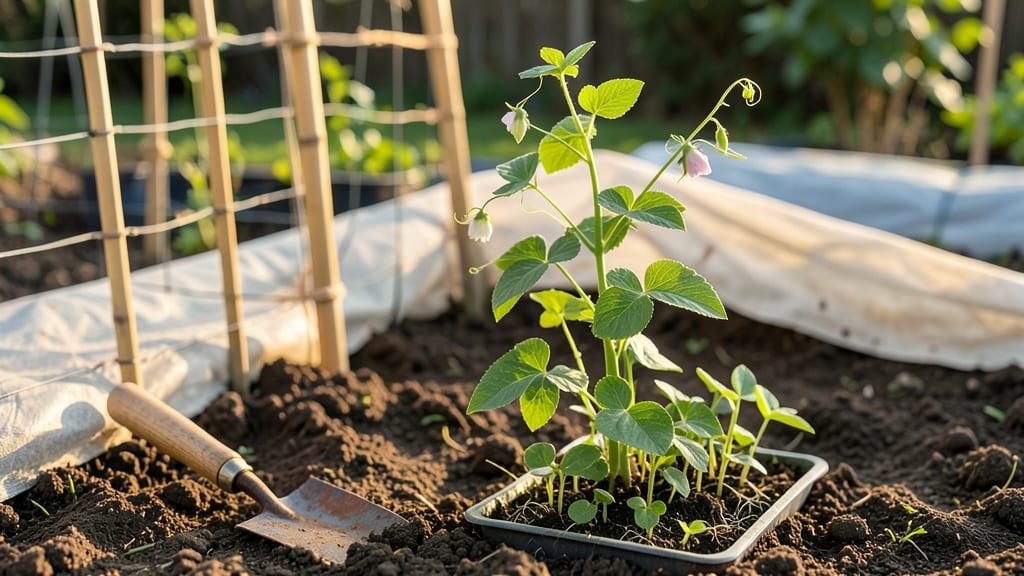
Timing your English Pea 🌱 planting in Zone 7 could mean the difference between a garden full of crisp, sweet pods and a sad pile of shriveled seeds—because these cool-weather lovers demand precision.
Most gardeners in Zone 7 know spring is the prime window, but did you realize late summer offers a second chance for harvests? The key lies in soil temperatures between 40-50°F, which trigger fast germination and robust growth.
In this guide, I’ll break down exactly when to plant for maximum yield, how to test soil readiness, and why skipping these steps can leave your peas struggling—even in your perfect Zone 7 climate.
Get ready to master the art of fast germination and avoid common pitfalls that waste seeds and time. Let’s turn your pea dreams into a harvest you’ll actually enjoy.
Best planting windows for English peas in Zone 7 based on soil temperature
Timing is everything when planting English peas in Zone 7. These cool-weather crops thrive when soil temperatures hover between 40°F and 50°F—any warmer, and germination slows or fails.
In my experience, the ideal windows are early spring (February–March) and late summer (July–August), but microclimates can shift these dates by weeks.
For spring plantings, aim to sow seeds 4–6 weeks before your last frost date (around March 15 in Zone 7). This gives seedlings time to mature before summer heat arrives.
Fall plantings should occur 8–10 weeks before your first frost (around November 15) to ensure pods ripen before cold sets in.
Use a soil thermometer to confirm readiness—peas won’t sprout if soil is below 40°F or above 80°F. In my garden, I’ve found that morning soil temps are the most reliable indicator, as they stabilize after overnight cooling.
| Planting Window | Soil Temp Range | Key Considerations |
|---|---|---|
| Early Spring (Feb–March) | 40°F–50°F | Plant 4–6 weeks before last frost; use row covers if nights dip below 30°F. |
| Late Summer (July–August) | 50°F–60°F | Choose heat-tolerant varieties like 'Lincoln'; water deeply to cool soil. |
| Fall (Sept–Oct) | 50°F–60°F | Sow 8–10 weeks before first frost; harvest before pods toughen. |
Microclimates play a huge role in Zone 7. If you’re in a warmer microclimate (e.g., near a heat-retaining wall), delay spring plantings by 2–3 weeks. Conversely, cooler spots (like shaded areas) may need earlier sowing.
I’ve had success pushing spring plantings into early April in sheltered beds, but germination slows dramatically after April 15.
For container gardening, use black pots to absorb heat and plant slightly earlier than in-ground. Containers also warm up faster, so monitor soil temps closely. In my raised beds, I’ve seen 5–7°F warmer soil temps compared to open ground, allowing for a 1-week earlier start.
Protect young seedlings from late spring frosts with lightweight row covers or cloches. I’ve lost entire rows of peas to 28°F nights in Zone 7—always check your local frost-free date and adjust accordingly. For fall plantings, prioritize fast-maturing varieties (55–60 days) to beat the first frost.
Soil preparation is just as critical as timing. Work in 2–3 inches of compost before planting to improve drainage and fertility. Peas fix their own nitrogen, but they still need phosphorus-rich soil for strong root development.
A quick soil test can reveal if your garden needs a bone meal amendment before sowing.
Remember, succession planting every 2 weeks in spring can stretch your harvest. I’ve extended my pea season by 4–6 weeks using this method, ensuring a steady supply of fresh pods. Just be sure to harvest regularly to encourage more production.
Finally, avoid planting peas where legumes grew last year to prevent soil-borne diseases. Rotate with brassicas or alliums instead. With the right timing and care, your English peas will reward you with a sweet, abundant harvest—just in time for spring and fall feasts! 🌱
Best planting windows for English peas in Zone 7 based on soil temperature
In Zone 7, your English Pea planting success hinges on two critical windows: early spring and late summer. The magic happens when soil temperatures sit between 40-50°F—this range triggers fast germination (usually within 7-14 days) and sets your plants up for strong growth before summer heat arrives.
For spring plantings, aim to sow seeds 4-6 weeks before your last frost date (around mid-February to early March in most of Zone 7). This timing ensures peas emerge quickly but avoids soggy, cold soil that can rot seeds.
In my garden, I’ve found that planting in early March gives me a head start on pests like pea aphids while still keeping soil cool enough for ideal germination.
Don’t overlook the fall planting window—this is where many Zone 7 gardeners miss out! Sow seeds again in late July to early August for a late-season harvest. The key here is to choose heat-tolerant varieties like 'Lincoln' or 'Green Arrow' and provide afternoon shade if your microclimate runs hot.
I’ve had great success with fall plantings yielding tender pods well into October.
| Planting Window | Soil Temp Range | Ideal Months | Germination Time | Key Tip |
|---|---|---|---|---|
| Early Spring | 40-50°F | February-March | 7-14 days | Test soil with a thermometer before planting |
| Late Summer | 45-55°F | July-August | 10-14 days | Use shade cloth for afternoon heat protection |
| Succession Planting | 40-50°F | Every 2 weeks | 7-14 days | Stagger plantings for continuous harvest |
Testing your soil temperature is non-negotiable for success. Grab a soil thermometer (they’re cheap and worth it!) and check readings at 6 inches deep—this is where your pea seeds will be.
If temperatures dip below 40°F, germination slows dramatically, and seeds may rot. In my experience, waiting until soil hits 45°F consistently for 3-5 days gives me the best start.
Microclimates play a huge role in Zone 7. If you’re in a warmer microclimate (like near a south-facing wall), you might push spring plantings back to late March to avoid heat stress.
Conversely, cooler pockets (like shaded areas) can handle earlier February plantings. I’ve even seen gardeners in higher elevations within Zone 7 plant as early as January with success.
Remember: Peas hate heat—once soil temperatures creep above 80°F, germination stops, and existing plants bolt quickly. That’s why your late summer window must close by mid-August in most of Zone 7.
With these timing tricks, you’ll avoid the heartbreak of failed plantings and enjoy fresh peas from spring through fall.