
Plants
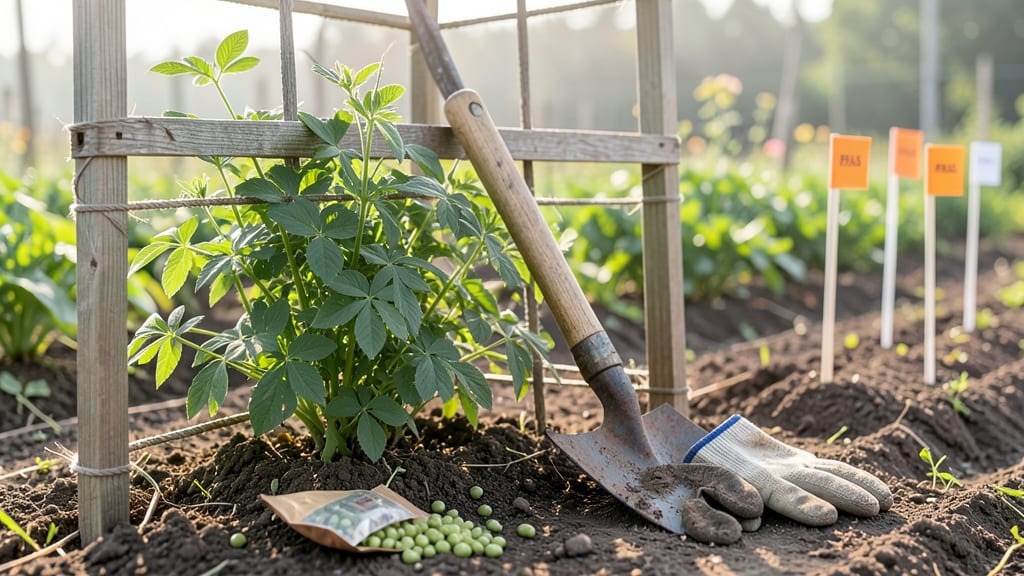
Planting English peas 🌱 in Alabama at the wrong time can turn your dream harvest into a sad, wilted disappointment—but getting the timing right unlocks sweet, crisp pods straight from your garden.
The key to success lies in Alabama’s frost-free window, where cooler temperatures and consistent moisture create perfect growing conditions.
Most gardeners in USDA zones 7b-8b know spring is the prime window, but did you realize you can also sneak in a fall crop? I’ll show you exactly when to plant for both seasons, so you’re not left scrambling when the first frost hits.
Whether you’re a first-time gardener or a seasoned green thumb, these insights will help you avoid common mistakes that ruin pea yields.
From late winter to early spring, the 55-75 day growing season for English peas depends entirely on when you put them in the ground. Miss the mark, and you might end up with stunted plants or no harvest at all.
Let’s break down the best months to plant, how to extend your season, and why timing matters more than you think.
Ready to grow peas that thrive? I’ll walk you through the exact frost-free window by month, plus pro tips to maximize your harvest—so you can enjoy fresh, homegrown peas from May through June. No more guesswork, just a bountiful garden.
Best months to plant English peas in Alabama: frost-free planting calendar
Alabama’s USDA zones 7b-8b give you a 210-day frost-free season, perfect for growing English peas. But timing matters—plant too early, and frost will kill tender seedlings; too late, and summer heat stresses your crop.
The ideal window is February to early April, with a secondary chance in late summer for fall harvests.
North Alabama’s earlier last frost dates (around March 15) mean you’ll plant 2-3 weeks earlier than gardeners in South Alabama. Microclimates near lakes or hills can shift your window by 10-14 days, so always check your local Alabama Cooperative Extension Service frost maps before planting.
For a spring harvest, aim to plant 4-6 weeks before your last frost date. In most of Alabama, that’s mid-February to early March. If you miss this window, don’t despair—a late summer planting (August) can yield a fall crop before first frost in November.
| Planting Window | Best Months | Last Frost Risk | Harvest Time |
|---|---|---|---|
| Spring Planting | February-March | Low (after March 15) | May-June |
| Fall Planting | Late August | Low (before Nov 15) | October |
| Late Spring (Risky) | April-May | High (heat stress) | July-August |
🌱 Pro Tip: Use cold-hardy varieties like 'Green Arrow' or 'Little Marvel' for earlier plantings.
If you’re in North Alabama (zones 7b), start seeds indoors in late January to transplant outdoors by mid-February. South Alabama gardeners (zones 8a-8b) can direct-sow outdoors in February without worrying about early frosts. Always test your soil temperature—peas thrive when soil reaches 45°F.
For succession planting, sow new seeds every 2 weeks until mid-April to stretch your harvest. This works especially well in South Alabama’s longer growing season. Just avoid planting after April 15, as summer heat causes peas to bolt prematurely or produce woody, tough pods.
Alabama’s humid summers can stress peas, so fall plantings in August often yield better-quality pods. Choose heat-tolerant varieties like 'Carouby de Maussane' if you’re experimenting with summer plantings. Just be prepared to provide afternoon shade during peak heat.
Don’t forget to rotate your planting location yearly—peas are legumes that fix nitrogen in the soil, but planting them in the same spot year after year can lead to soil-borne diseases. Follow them with heavy feeders like tomatoes or corn the next season.
For container gardening, start seeds in 4-inch pots by mid-February and transplant to 12-inch deep containers by March 1. Use a well-draining potting mix with added compost to prevent nutrient deficiencies in compacted soil.
Always monitor your local forecast—a late frost in April can wipe out young plants. If frost is predicted, cover seedlings with frost cloth or a lightweight row cover until temperatures rise. With the right timing, you’ll enjoy sweet, fresh peas from May through June!
Best months to plant English peas in Alabama: frost-free planting calendar
Alabama’s USDA zones 7b-8b offer two prime windows for planting English peas 🌱—spring and fall—but timing is critical. The average last frost in most areas falls around mid-March, with northern Alabama seeing frost slightly later.
Planting too early risks frost damage, while waiting too long means heat stress before harvest. Let’s break down the best months and how to adjust for your region.
For a spring harvest, aim to plant 4-6 weeks before your last frost date. In most of Alabama, this means February through early March. Southern Alabama can start as early as late January, while northern areas should wait until mid-March.
Peas thrive in cooler temperatures, so avoid planting when soil temps exceed 75°F, which can stunt growth.
Don’t overlook the fall planting window! Sow seeds in late summer (August-September) for a harvest before the first frost, typically mid-November. This second crop is perfect for extending your season and enjoying fresh peas longer.
Just be sure to choose cold-hardy varieties like ‘Sugar Snap’ or ‘Oregon Sugar Pod’ for better success.
| Planting Window | Best Months | Last Frost Risk | Soil Temp | Harvest Time |
|---|---|---|---|---|
| Spring | February-March | Low (after mid-March) | 50-65°F | May-June |
| Fall | August-September | Moderate (before November) | 60-70°F | October-November |
Microclimates play a huge role in Alabama’s diverse regions. If you’re in a warmer microclimate (like near Mobile or Birmingham), you can push spring planting to early February.
Conversely, cooler mountain areas (like Huntsville) should delay until late March. Always check your local Alabama Cooperative Extension Service for precise frost dates tailored to your county.
Pro tip: Use row covers or cold frames to extend your planting window by 2-3 weeks in early spring or late fall. These tools protect young plants from unexpected frosts and can mean the difference between a thriving crop and a failed one.
Just remove covers once temps rise above 50°F to avoid overheating.
Remember, English peas need 55-75 days to mature, so plan accordingly. Planting in March ensures a harvest by late May, while a September sowing should yield peas by November. With the right timing, you’ll enjoy fresh, homegrown peas for months—not just weeks.