
Plants
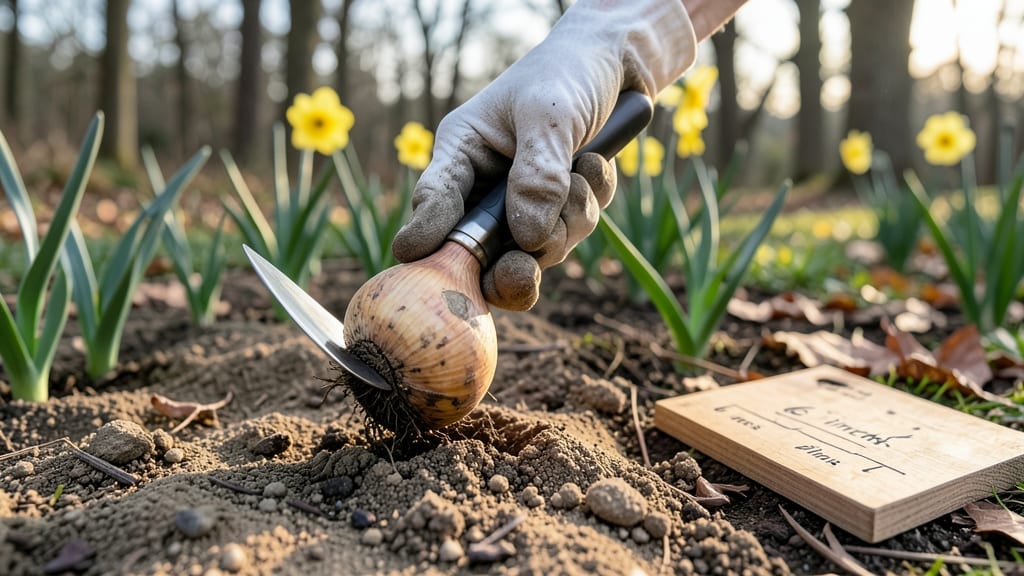
Planting daffodil bulbs at the wrong time in Wisconsin could mean watching your 🌼 blooms never emerge—or worse, bulbs rotting before spring. The key to vibrant spring displays lies in timing it perfectly between September and October, when soil temperatures drop to that sweet spot of 40–50°F.
Wisconsin’s 4a–5b climate demands precision: plant too early, and bulbs may sprout before winter; too late, and frost locks them out. I’ve learned the hard way that 6 weeks before the first frost (usually mid-October) is your golden window.
This isn’t just guesswork—it’s science backed by Wisconsin’s frost dates and USDA zone guidelines.
Here’s what you’ll discover: how to adjust for early/late frosts, prepare soil for Wisconsin’s heavy clay or sandy mixes, and avoid common pitfalls like planting too deep or shallow. Whether you’re in Milwaukee or northern Wisconsin, these steps ensure your daffodils thrive year after year.
Let’s dive into the exact timing, soil prep, and pro tips to make your fall planting a zero-fail spring spectacle. Ready to transform your garden?
Wisconsin’s ideal fall planting window for daffodil bulbs
Wisconsin’s USDA hardiness zones 4a–5b create a tight window for planting daffodil bulbs—too early and they’ll rot, too late and they won’t establish roots before freeze. The golden rule is planting 6 weeks before the first hard frost, typically between mid-September and mid-October.
For most of Wisconsin, this means aiming for late September to early October, but northern regions (like zone 4a) should plant by late September.
Daffodil bulbs need soil temperatures between 40–50°F to root properly. In Wisconsin, soil reaches this threshold in early fall, but early frosts can arrive as soon as October 15 in northern areas.
Check your local Wisconsin State Climatology Office for your county’s average first frost date—this is your planting deadline. For example, Milwaukee (zone 5b) can plant until mid-October, while Duluth (zone 4a) should finish by early October.
If you miss the ideal window, late August or early November are backup months—but bulbs planted in August may need extra moisture, and those planted in November risk frost damage before rooting.
Pro tip: Store bulbs in a cool, dark place (like a garage) until soil temps drop to 50°F if you’re running late.
🌱
| USDA Zone | Ideal Planting Window | Soil Temp Threshold | Frost Risk |
|---|---|---|---|
| 4a (Northern WI) | Late Aug–Early Oct | 40–50°F (by Sept 20) | High (Oct 1–15) |
| 4b (Central WI) | Mid-Sept–Mid-Oct | 40–50°F (by Sept 25) | Moderate (Oct 10–20) |
| 5a–5b (Southern WI) | Late Sept–Early Nov | 40–50°F (by Oct 5) | Low (Oct 20–Nov 5) |
🌡️ Pro Tip: Use a soil thermometer to confirm temps before planting.
Wisconsin’s microclimates can shift planting dates by weeks. For example, urban areas like Madison (zone 5b) may stay warmer longer, while rural areas in northern WI face earlier frosts. Observe your garden’s sun exposure: south-facing beds warm faster, while north-facing spots may need earlier planting.
If you’re unsure, plant early—bulbs can handle cooler soil better than late frosts.
Once you’ve nailed the timing, focus on planting depth: bulbs should go 6 inches deep in heavy clay soil (common in WI) or 4–6 inches deep in loamy soil. Use a bulb planter or trowel to avoid damaging roots, and space bulbs 4–6 inches apart for optimal airflow.
In Wisconsin’s wet springs, proper spacing prevents fungal diseases like basal rot.
After planting, mulch with 2–3 inches of straw or shredded leaves to insulate bulbs from temperature swings and protect them from voles (a major WI pest). Avoid thick mulch layers—too much can suffocate bulbs during thaw.
In southern WI, you can even plant daffodils in early November if soil temps stay above freezing, but cover them with extra mulch for winter protection.
🌿
For container gardening in Wisconsin, plant bulbs in well-draining pots with sand or perlite mixed into soil. Move containers to a garage or shed if temps drop below 20°F for extended periods. Daffodils in pots often bloom earlier than in-ground plants because they’re insulated from ground freeze-thaw cycles.
Finally, mark your planting spots with stakes or flags—Wisconsin’s snow cover can make gardens look empty until spring! This helps you avoid disturbing bulbs when tilling or planting spring crops.
With the right timing and prep, your daffodils will reward you with bold, early spring color—often before snowmelt even finishes.
Wisconsin’s ideal fall planting window for daffodil bulbs
Timing is everything when planting daffodil bulbs in Wisconsin, where USDA zones 4a–5b bring early frosts and unpredictable winters. The 6-week rule before your area’s first hard freeze is your golden window—typically mid-September to mid-October for most of the state.
For example, in Milwaukee (Zone 5b), aim for planting by October 15, while northern Wisconsin (Zone 4a) should plant by early October.
Daffodils need soil temperatures between 40–50°F to establish roots before winter dormancy. Use a soil thermometer to confirm—planting too early (e.g., August) risks premature sprouting, while waiting until November leaves bulbs vulnerable to frost damage.
Wisconsin’s first frost dates vary wildly: check the Wisconsin State Climatology Office for your county’s average.
Here’s the exact science behind Wisconsin’s planting window: bulbs require 4–6 weeks of cool soil to root before ground freezes. In Zone 4a (north), this means planting by early October, while Zone 5b (south) can extend to mid-October.
Even a 10°F drop can halt root growth—so don’t wait until November!
🌱 Wisconsin Daffodil Planting Timeline
| Zone | Ideal Planting Month | Soil Temp Goal | First Frost Deadline |
|---|---|---|---|
| 4a (North) | Early September–October | 40–50°F | October 1 |
| 5a (Central) | Mid-September–October 15 | 40–50°F | October 15 |
| 5b (South) | Late September–October 30 | 40–50°F | November 1 |
*Adjust 1–2 weeks earlier for early frosts or later for mild winters.
Pro tip: Late September is the safest bet for most of Wisconsin—it balances root establishment with frost risk. If you’re unsure, err on the earlier side: bulbs can sit in the ground (unplanted) for a few weeks, but they’ll rot if planted too late.
For container gardening, plant by October 1 statewide to avoid winter damage.
Don’t overlook microclimates! A south-facing slope in Madison (Zone 5a) may stay warm enough for late October planting, while a low-lying area in Green Bay (Zone 4a) could freeze by mid-October. Observe your garden’s frost patterns for 2–3 years to refine your timing.
Once you’ve nailed the timing, the next critical step is soil prep—because Wisconsin’s heavy clay or sandy soils can make or break your daffodils. We’ll cover that in the next section, including how to amend soil and protect bulbs from wildlife. Stay tuned!