
Plants
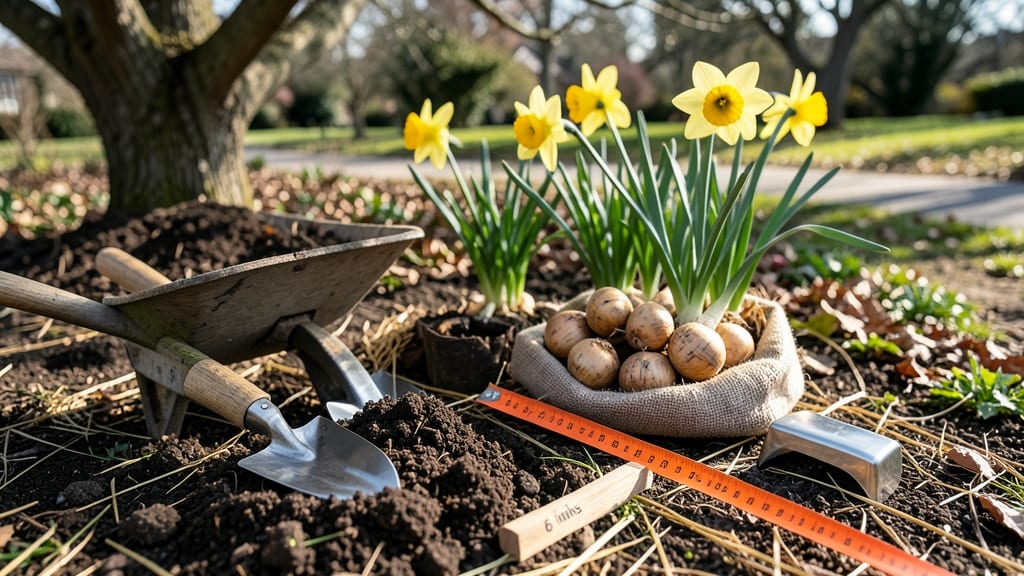
Planting daffodil bulbs in Maryland might seem simple, but timing is the secret sauce to vibrant spring blooms. Get it right, and you’ll enjoy cheerful 🌼 faces popping up in March—get it wrong, and you might be left with nothing but disappointment.
Maryland’s 7a-7b climate gives you a narrow but critical window, and missing it means risking frost damage before those bulbs even have a chance to root.
Most gardeners assume fall planting is just about throwing bulbs in the ground, but the truth is more precise. You’ve got about 6 weeks—roughly from late October to mid-November—to plant before the ground freezes solid.
That’s when soil temps hit that sweet spot of 50-60°F, giving bulbs just enough time to establish roots without waking up too early. Skip this window, and you’ll either have bulbs rotting in soggy soil or freezing before they can thrive.
Here’s the good news: with the right approach, you can turn Maryland’s unpredictable fall weather into an advantage. I’ll walk you through exactly when to plant, how to prep your soil, and what to watch for—so you can enjoy those first 🌼 blooms without the guesswork.
Let’s get those bulbs in the ground the right way.
Whether you’re a first-time gardener or a seasoned pro, nailing the timing means fewer headaches and more rewards. By the end of this guide, you’ll know exactly when to dig, how deep to plant, and what to do if Maryland’s early frosts throw you a curveball.
Ready to set the stage for next spring’s showstopper blooms?
Maryland's ideal daffodil bulb planting window: month-by-month guide
Maryland's 6-week planting window for daffodil bulbs is your golden opportunity to ensure next spring's vibrant blooms. The ideal time falls between late October and mid-November, when soil temperatures hover between 50-60°F.
This window gives bulbs just enough time to establish roots before winter dormancy sets in—critical for surviving Maryland's 7a-7b climate.
For gardeners in Baltimore and Frederick, aim for planting between October 20 and November 15. Coastal areas like Annapolis may extend this slightly later due to milder microclimates.
Missing this window risks bulbs rotting in soggy soil or freezing before root development. Even a week too early can trigger premature growth, leaving plants vulnerable to frost damage.
Here's the key: plant when daytime highs average 60°F but nights dip below freezing. This balance ensures bulbs root without waking up too soon. Use a soil thermometer to confirm—if temps drop below 40°F, it's time to cover planted areas with straw mulch to protect emerging roots.
If Maryland's unpredictable fall weather throws you off schedule, don't panic. You can plant as late as early December in most areas, though success rates drop significantly. For late plantings, choose hardier varieties like 'Ice Follies' or 'Tête-à-Tête' that tolerate colder conditions better.
🌼 Maryland Daffodil Planting Timeline
| Month | Ideal Planting Time | Soil Temp | Key Consideration |
|---|---|---|---|
| Late September | Early planting (risky) | 60-70°F | Only for early-blooming varieties |
| October | Prime window (Oct 20-Nov 1) | 50-60°F | Best success rate for most varieties |
| November | Last chance (before Nov 15) | 40-50°F | Use mulch for protection |
| December | Emergency planting | Below 40°F | Only for hardy varieties |
Adjust your planting schedule based on Maryland's microclimates. Northern regions like Frederick County typically freeze earlier than Southern Maryland, so plant sooner in the north. Coastal areas can wait until mid-November without risking frost damage, thanks to the moderating influence of the Chesapeake Bay.
Pro tip: mark your calendar for November 15 as your absolute deadline. After this date, bulbs won't have enough time to establish roots before winter sets in. If you're unsure about local frost dates, check the National Weather Service's Maryland climate outlook for your specific region.
For container gardening, you have slightly more flexibility. Plant potted daffodils 4-6 weeks before your average first frost date, which in Maryland typically falls around November 15. Just
Timing isn't just about the calendar—it's about soil conditions. Wait until the ground is cool but workable, not soggy. In Maryland's wet falls, this often means waiting until after one or two hard frosts to plant. This helps prevent rot in heavy clay soils common in the Piedmont region.
Remember: the earlier you plant within the ideal window, the more time bulbs have to establish roots before winter. This translates to stronger stems, larger blooms, and better survival rates through Maryland's unpredictable winters.
With the right timing, you'll be rewarded with daffodils popping up through snow in early spring—proof positive you've mastered Maryland's planting secrets.
Signs your Maryland soil is ready for daffodil bulbs (and what to do if it's not)
Before you even think about planting those daffodil bulbs, your Maryland soil needs to meet three key conditions: the right temperature, proper moisture levels, and good drainage. Skip these checks, and you risk soggy soil that rots bulbs or dry ground that prevents root growth.
The ideal soil for daffodils in Maryland is cool (50-60°F), moist but not waterlogged, and well-draining—especially in the Piedmont region, where clay-heavy soil is common.
Start by testing your soil's readiness with a simple finger test. Push your finger about 6 inches deep into the ground—if it feels cool to the touch but isn't freezing, and moisture clings lightly (like a damp sponge), your soil is perfect.
If it's still warm or bone-dry, wait another week or two. Maryland's wet fall conditions can also fool you into thinking soil is ready when it's actually too soggy for bulbs.
Another critical sign is soil temperature. Use a soil thermometer to confirm temps are between 50-60°F at 4-6 inches deep—this is the sweet spot for daffodil bulbs to start rooting without waking up too early.
If temps are above 60°F, bulbs may sprout prematurely and get fried by Maryland's first frost. Pro tip: check temps in the late afternoon when soil is warmest.
🌱 **Maryland Soil Readiness