
Plants
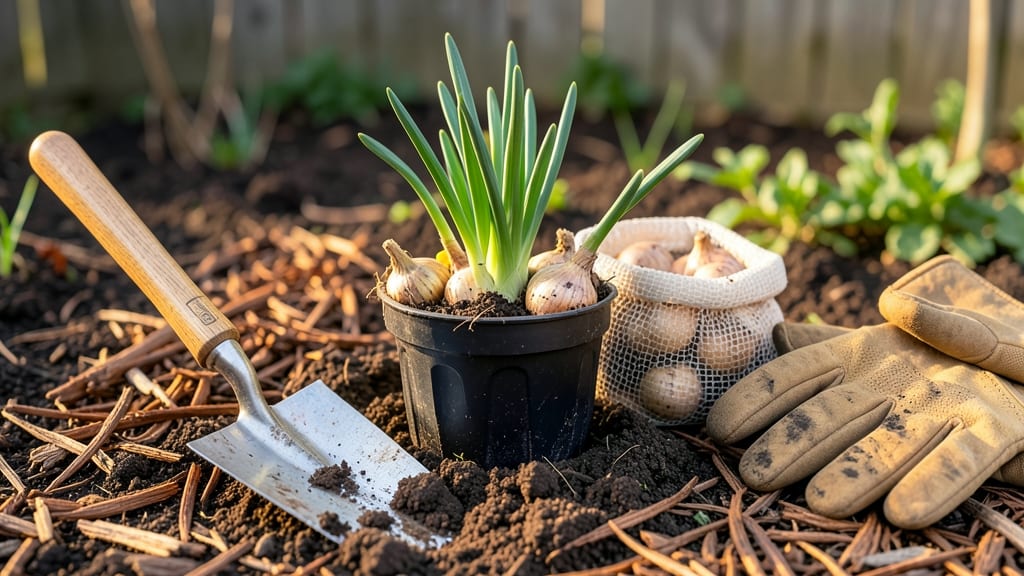
Planting daffodil bulbs at the wrong time in Texas can mean the difference between a vibrant spring display and wasted effort—especially in the state’s unpredictable climate.
Timing is everything, but with the right strategy, you can ensure your 🌼 daffodils bloom beautifully even in the Lone Star State’s unique growing zones.
If you’ve ever wondered why some gardeners in Texas get stunning blooms while others struggle, the answer often lies in fall planting. The key is getting those bulbs in the ground 6-8 weeks before the first frost, giving roots time to establish before winter sets in.
For North Texas gardeners in zones 8a-10b, that window opens in October and closes by December.
But here’s the catch: Texas isn’t one-size-fits-all. Central and South Texas have later frost dates, meaning you might still have time to plant in January.
I’ll break down exactly when to plant in each region, plus how to adjust for soil conditions and avoid common mistakes that kill daffodils before they even sprout.
Ready to transform your yard into a springtime explosion of color? Let’s dive into the perfect planting schedule—so you can enjoy those cheerful 🌼 blooms without the guesswork.
Optimal planting months for Texas daffodils: a zone-by-zone breakdown
Texas’ diverse climate means one planting window doesn’t fit all. North Texas gardeners face earlier frosts than their South Texas counterparts, so timing your daffodil bulbs requires knowing your USDA zone.
Let’s break down the best months for each region to ensure your bulbs establish roots before winter sets in.
The golden rule for daffodils is planting 6-8 weeks before the first hard frost. In Texas, this means October through December for most areas, but South Texas gardeners can push planting into January safely. Missing this window risks bulbs rotting in cold, wet soil or failing to bloom.
For North Texas (Zones 7b-8a), like Dallas and Fort Worth, aim for October 15 to November 15. The first frost typically hits around November 15, so planting by mid-November gives roots time to anchor before winter. If you wait until December, bulbs may not establish properly.
Central Texas (Zones 8a-8b), including Austin and San Antonio, has a slightly later frost date. Plant between November 1 to December 15. This region’s milder winters allow for a longer window, but don’t delay past mid-December—soil temperatures drop too much for healthy root growth.
In South Texas (Zones 8b-10b), like Corpus Christi and Brownsville, you can plant as late as January 15. The frost-free season extends longer here, but even South Texas can experience unexpected cold snaps. Planting by mid-January ensures bulbs are settled before any late-season chill.
🌼
| Texas Region | USDA Zone | Best Planting Window | First Frost Date | Key Tip |
|---|---|---|---|---|
| North Texas | 7b-8a | October 15 - November 15 | November 15 | Plant early to avoid early frosts |
| Central Texas | 8a-8b | November 1 - December 15 | December 15 | Soil stays warm longer |
| South Texas | 8b-10b | November 15 - January 15 | January 15 | Watch for late cold snaps |
If you’re unsure about your last frost date, check local weather records or use a frost calendar for your city. For example, Amarillo’s first frost often arrives by October 30, while Houston’s might not hit until December 10. Adjust your planting schedule accordingly to avoid surprises.
Pro tip: Stagger your planting by 2-3 weeks if you want daffodils blooming from early spring through late spring. Plant a third of your bulbs in early October, another third in November, and the last batch in December for a prolonged display.
Texas’ alkaline soil can also affect planting success. If your soil pH is above 7.0, daffodils may struggle to absorb nutrients. Test your soil before planting and amend it with sulfur or peat moss if needed to create the ideal 6.0-7.0 pH range.
Finally, avoid planting daffodils in summer heat. Bulbs planted in June or July often rot because the soil stays too warm. Always wait until temperatures drop below 80°F before digging in.
☀️
Signs your Texas soil is ready for daffodil bulbs (and how to fix common issues)
Before you dig in those daffodil bulbs, your Texas soil needs to meet three key conditions: the right temperature, proper drainage, and a balanced pH level.
Skipping this step often leads to bulbs rotting underground or failing to sprout. Let’s walk through how to check these signs and fix common issues that trip up Texas gardeners.
First, check your soil temperature. Daffodils thrive when soil temps are between 50°F and 60°F. In Texas, this usually means waiting until late October for North Texas or November for Central/South Texas.
Stick a soil thermometer 6 inches deep—if it reads above 65°F, wait a few weeks. Warm soil speeds up bulb decay.
Next, assess drainage. Texas soils, especially in clay-heavy areas like East Texas, can become waterlogged after rain. Poor drainage suffocates bulbs, leading to rot. Dig a small hole, fill it with water, and watch how quickly it drains.
If water sits for more than 30 minutes, amend your soil with compost or sand to improve airflow.
🌱
⚠️ Texas Soil Pitfalls & Fixes
Heavy clay soil? Add compost to loosen texture.
Alkaline pH (>7.0)? Mix in sulfur to lower pH gradually.
Compacted soil? Till in organic matter before planting.
Sand or rocky soil? Blend with peat moss for moisture retention.
Don’t overlook pH levels. Texas soils are often alkaline (pH 7.5-8.5), which can lock out nutrients daffodils need. Test your soil with a home kit or send a sample to your local agricultural extension office.
Aim for a 6.0-7.0 pH range. If your soil is too alkaline, work in elemental sulfur (follow package rates) 2-3 months before planting to adjust naturally.
Another Texas-specific issue is drought stress. Even after planting, bulbs need consistent moisture until roots establish. Water deeply after planting, then maintain 1 inch of water per week unless rainfall covers it. Use mulch (straw or pine needles) to retain moisture and protect bulbs from temperature swings.
Finally, avoid planting in wet, cold soil. If your area gets heavy rains in late fall, wait until the ground dries slightly. Wet conditions combined with cold temps create the perfect recipe for bulb rot.
A quick fix? Plant in raised beds or on mounds to improve drainage and warmth.
✂️