
Plants
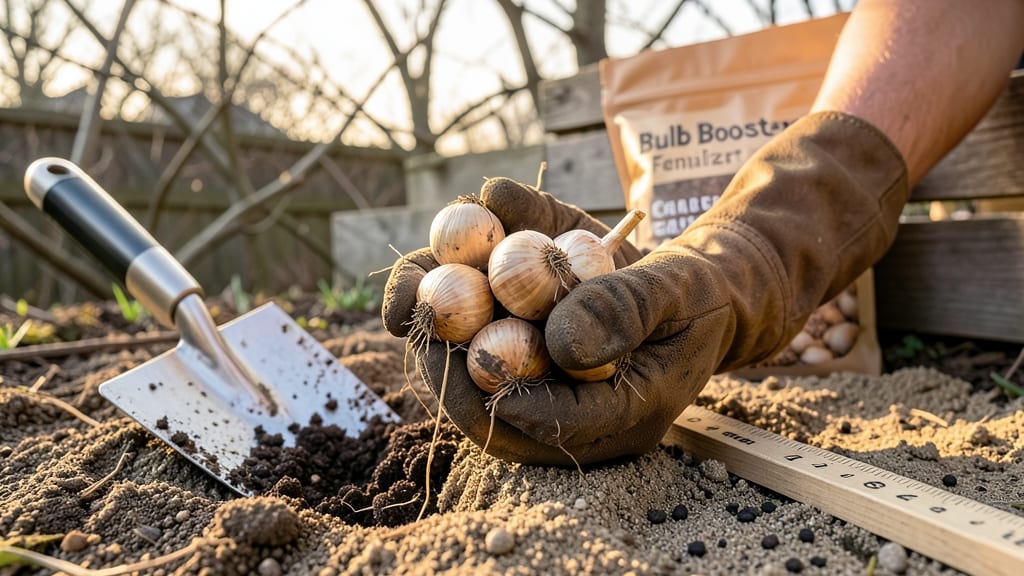
Planting daffodil bulbs at the wrong time in Michigan can mean the difference between a vibrant spring garden and wasted effort. The key window—October through mid-November—isn’t just a suggestion; it’s a critical period where your 🌼 bulbs need to establish roots before the ground freezes.
Why does timing matter so much? Because daffodils thrive when they experience a natural cold period, which triggers blooming. In Michigan’s USDA zones 5b-6b, that means planting before the first hard frost—usually around October 15—but not so early that bulbs rot in warm, wet soil.
I’ve seen gardeners in northern Michigan rush planting because of early frosts, only to have their bulbs fail. Meanwhile, those in southern Michigan might wait too long, missing the ideal 6-week window before the ground locks up.
The solution? Learn the exact signs your soil is ready—and how to adjust for your specific region.
In this guide, I’ll break down the perfect planting window, soil prep tips, and even what to do if you miss the boat. By the end, you’ll know exactly when to dig in for zero-frost success—and why patience in fall pays off with stunning spring blooms.
Optimal fall planting window for Michigan daffodils (with frost-date guide)
Michigan’s USDA Zones 5b-6b create a tight window for planting daffodil bulbs—aim for 6-8 weeks before the ground freezes, typically between late September and mid-November. Northern regions like Traverse City freeze earlier (late October), while southern areas like Detroit may stretch until early November.
The key is soil temperatures dropping to 40-50°F at planting time.
Daffodils need vernalization (a cold period) to bloom, so planting too late risks bulbs not getting enough chill. Conversely, planting too early in wet soil can cause rot. Use Michigan’s average first frost dates as your guide: Detroit (Oct 15), Grand Rapids (Oct 20), and Marquette (Oct 5).
Adjust for your microclimate—shady spots freeze later, while exposed areas freeze sooner.
For maximum success, plant when soil is cool but workable (60-65°F) and drainage is good. Test soil moisture—it should be damp but not soggy. In container gardening, plant bulbs in pots by early October to give them enough time to establish roots before winter.
🌼
| Region | Ideal Planting Window | Soil Temp Threshold | First Frost Date |
|---|---|---|---|
| Northern MI (Marquette, Sault Ste. Marie) | Late September - Early October | 50-55°F | October 5-10 |
| Central MI (Traverse City, Grand Rapids) | Late September - Mid-October | 45-50°F | October 15-20 |
| Southern MI (Detroit, Ann Arbor) | Mid-October - Early November | 40-45°F | October 25-November 5 |
| All Regions (Containers) | Early October - Late October | 50-55°F | N/A (Controlled environment) |
Pro tip: Check Michigan State University’s Michigan Garden Hotline for real-time updates on frost predictions. If you’re unsure, err on the earlier side—daffodil bulbs can handle cooler soil better than warm, wet conditions.
Planting in well-amended soil (add compost or sand for drainage) gives bulbs a head start for spring.
For northern Michigan gardeners, prioritize early September planting if your soil stays warm late into fall.
Use a soil thermometer to confirm temperatures are dropping below 60°F. In southern Michigan, you might squeeze in late November plantings if the ground hasn’t frozen yet, but bulbs may need extra protection with mulch.
After planting, water deeply once to settle the soil around bulbs. Avoid overwatering—daffodils hate soggy roots. A 2-inch layer of mulch (straw or shredded leaves) insulates bulbs through winter. In urban areas, where microclimates vary, watch for heat islands—planting near pavement may delay frost, so adjust your timeline accordingly.
Remember: Daffodils planted in fall will reward you with earlier and more abundant blooms next spring. The 6-week window might seem tight, but with these regional adjustments, you’ll nail the perfect timing every time. Next, we’ll cover how to tell if your planting timing is perfect—or a disaster.
✂️
Optimal fall planting window for Michigan daffodils (with frost-date guide)
Michigan’s 6-week planting window for daffodil bulbs—late September to mid-November—is your golden opportunity to ensure next spring’s blooms. This timeline aligns with the state’s USDA zones 5b-6b, where bulbs need 6-8 weeks of root establishment before the ground freezes.
In northern Michigan (e.g., Traverse City), aim for late September to early November, while southern regions (e.g., Detroit) can stretch until mid-November.
The critical cutoff isn’t just frost dates—it’s soil temperature thresholds. Bulbs thrive when soil cools to 40–50°F at 4-inch depth. Use a soil thermometer to confirm readiness; planting in warmer soil risks rot.
Michigan’s average first hard frost (28°F) hits around October 15, but local microclimates can shift this by 2–3 weeks.
| Region | Ideal Planting Window | Soil Temp Threshold | Key Risk |
|---|---|---|---|
| Northern MI (Traverse City) | Late Sept–Early Nov | 40–50°F (4-inch depth) | Early frost (Oct 1) |
| Central MI (Lansing) | Mid-Sept–Mid-Nov | 45–50°F (4-inch depth) | Wet soil (Oct rains) |
| Southern MI (Detroit) | Early Oct–Late Nov | 50–55°F (4-inch depth) | Late frost (Nov 15) |
Pro tip: Check your local Michigan State University Extension frost maps for real-time updates. In 2023, northern Michigan saw a 3-week earlier frost than average—planting too late cost gardeners their bulbs. For extra security, plant 2 weeks early if your area has a history of early freezes.
Don’t overlook soil drainage—daffodils hate soggy conditions. Amend heavy clay soil with compost or sand to prevent rot. In well-draining soil, bulbs can handle light frosts (30°F) without damage, but avoid planting after the ground hardens.
If you’re in a transition zone (e.g., near Lake Michigan), account for lake-effect cooling, which can delay frost by 1–2 weeks. Use a planting calendar or set reminders for your specific county’s frost dates to stay ahead.
Remember: The goal is root establishment before dormancy. With the right timing, your daffodils will reward you with bold spring blooms—and maybe even naturalized patches over time. 🌼