
Plants
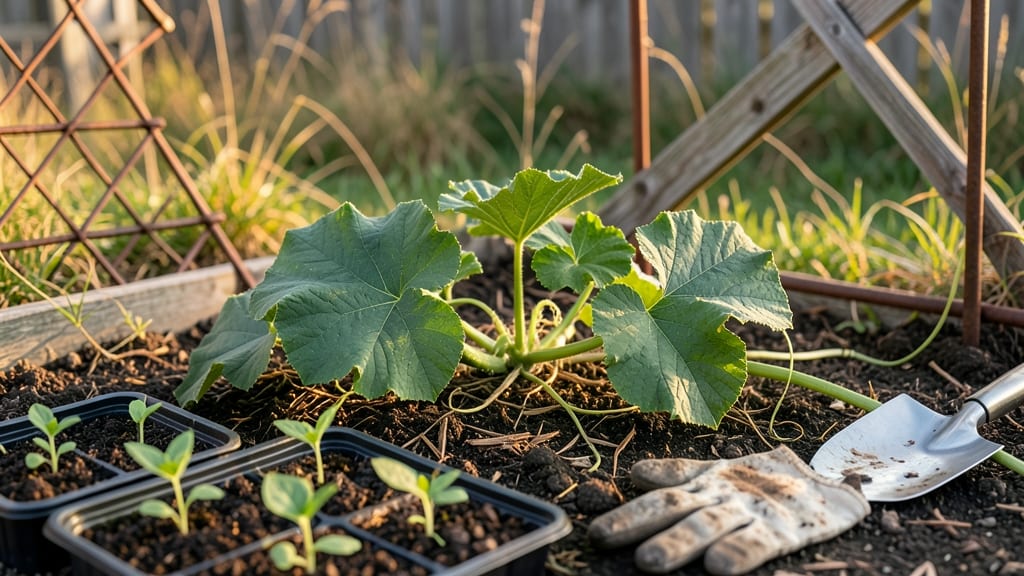
Knowing when to plant cucumbers in Zone 6a can mean the difference between a bountiful harvest and wasted effort. With the right timing, you'll enjoy crisp 🥒 all summer long—just imagine slicing into fresh, homegrown slices straight from your garden.
In Zone 6a, where last frost typically hits around mid-April, patience is key. Planting too early risks killing tender seedlings, while waiting too long may leave you scrambling as summer heats up. The ideal window opens after soil warms to at least 60°F, usually between mid-April and early May.
Whether you're growing bush varieties for small spaces or vining types for trellises, understanding these deadlines helps you plan for success. I'll break down exactly when to start seeds indoors versus direct-sowing outside, so you can maximize your garden's potential without guessing.
Let's dive into the precise frost-free dates and soil temperature tips that will set you up for a thriving cucumber harvest—no more missed opportunities or bolted plants. Your summer salads are about to get a whole lot fresher!
Zone 6A cucumber planting deadlines by variety type (with frost risk dates)
In Zone 6A, where average last frost dates hover around April 15, timing your cucumber planting is critical. Cucumbers (Cucumis sativus) are frost-sensitive, and seedlings won’t survive temperatures below 50°F (10°C).
However, rushing planting too early can lead to stunted growth or disease. The key is waiting for soil temperatures to reach at least 60°F (15°C)—this usually happens by mid-to-late May in most Zone 6A regions.
Your planting strategy depends on the cucumber variety type. Bush cucumbers (compact varieties) have a shorter growing season than vining types, while heirlooms often require more time to mature. For example, Bush Champion might be ready in 50 days, while Straight Eight needs 60-70 days.
Let’s break down the best planting windows for each type, including frost risk dates and soil temperature thresholds.
🥒 Zone 6A Cucumber Planting Deadlines
| Variety Type | Last Frost Risk Date | Ideal Planting Window | Soil Temp Threshold | Days to Maturity |
|---|---|---|---|---|
| Bush Cucumbers | April 15 - May 1 | May 10 - May 20 | 60°F (15°C) | 45-55 days |
| Vining Cucumbers | April 15 - May 1 | May 15 - June 1 | 60°F (15°C) | 55-70 days |
| Heirloom Varieties | April 15 - May 1 | May 20 - May 30 | 65°F (18°C) | 60-80 days |
For bush cucumbers, aim to plant between May 10 and May 20. These compact varieties mature faster, making them ideal for Zone 6A’s shorter growing season.
Varieties like Bush Champion or Spacemaster are excellent choices, as they reach maturity in 45-55 days—plenty of time to harvest before the first frost in mid-October.
If you’re growing vining cucumbers, wait until May 15 to June 1 to give them enough time to establish roots and produce fruit. Vining types like Straight Eight or Marketmore need 55-70 days to mature, so planting later ensures they won’t be cut short by early fall frosts.
Use a trellis or cage to save space and improve air circulation, which reduces disease risk in humid Zone 6A summers.
Heirloom varieties deserve extra attention because they often take the longest to mature. Plant these between May 20 and May 30, and choose varieties like Lemon Cucumber or Armenian Cucumber, which can handle slightly cooler soil temperatures (65°F/18°C). These varieties reward patience with unique flavors, but they require a longer growing season—so don’t rush them.
Pro tip: Use a soil thermometer to confirm soil temperatures before planting. Cucumber seeds won’t germinate well in cold soil, and waiting a few extra days can make the difference between a thriving plant and a failed crop.
If your soil is still too cool by early June, consider starting seeds indoors 4-6 weeks before the last frost and transplanting seedlings once temperatures rise.
Another critical factor is succession planting. Instead of planting all your cucumbers at once, stagger your plantings every 2-3 weeks to ensure a continuous harvest. This works especially well for bush varieties, which mature quickly.
For example, plant your first batch on May 15, then follow up with a second batch on June 1 to extend your harvest into early September.
Finally, keep an eye on your local frost risk dates. While the average last frost in Zone 6A is April 15, late frosts can occur as late as May 10.
Check your Almanac’s Frost Calculator for your specific location, and be prepared to protect young seedlings with row covers or cloches if frost threatens after planting.
By following these
Zone 6A cucumber planting deadlines by variety type (with frost risk dates)
In Zone 6a, cucumbers thrive when planted after the last frost date—typically around April 15—but timing varies by variety. Bush cucumbers (like 'Bush Champion') are more forgiving, while vining types (like 'Straight Eight') need warmer soil to germinate.
I’ll break down the exact windows for each to help you avoid common mistakes like frost damage or stunted growth.
For bush cucumbers, aim to plant seeds 2-3 weeks after your last frost date when soil hits 60°F. Vining varieties, however, need 55-60°F soil and should go in 1-2 weeks later to avoid leggy growth.
Heirloom varieties like 'Lemon Cucumber' are particularly sensitive to cold, so wait until mid-May if early planting risks frost.
| Variety Type | Planting Window | Soil Temp Threshold | Frost Risk |
|---|---|---|---|
| Bush Cucumbers | April 20–May 5 | 60°F (15°C) | Low (compact growth) |
| Vining Cucumbers | May 1–May 15 | 55–60°F (13–15°C) | Moderate (needs trellis) |
| Heirloom Varieties | May 10–20 | 60°F+ (15°C+) | High (sensitive to cold) |
*Based on average Zone 6a last frost date of April 15.
If you’re starting seeds indoors, begin 3-4 weeks before your target outdoor planting date. Use biodegradable pots to avoid transplant shock, and harden off seedlings for 7-10 days before moving them outside.
I’ve found that late April is the safest window for transplanting, as soil finally warms enough to support root growth.
For direct sowing, use black plastic mulch to warm the soil faster and reduce weed competition. This lets you plant 1 week earlier than traditional methods. Just be sure to remove the mulch if nighttime temps dip below 50°F to prevent heat stress.
Pro tip: Monitor your local microclimate—south-facing beds warm up faster than north-facing ones. If your garden sits in a frost pocket, wait until May 10 to plant, even if the official frost date has passed. A little patience now means bigger yields later.
Finally, keep an eye on 7-day forecasts for late frosts. Even in Zone 6a, a 28°F night can devastate young plants. If frost threatens after planting, cover seedlings with row fabric or a cloche until danger passes.