Plants
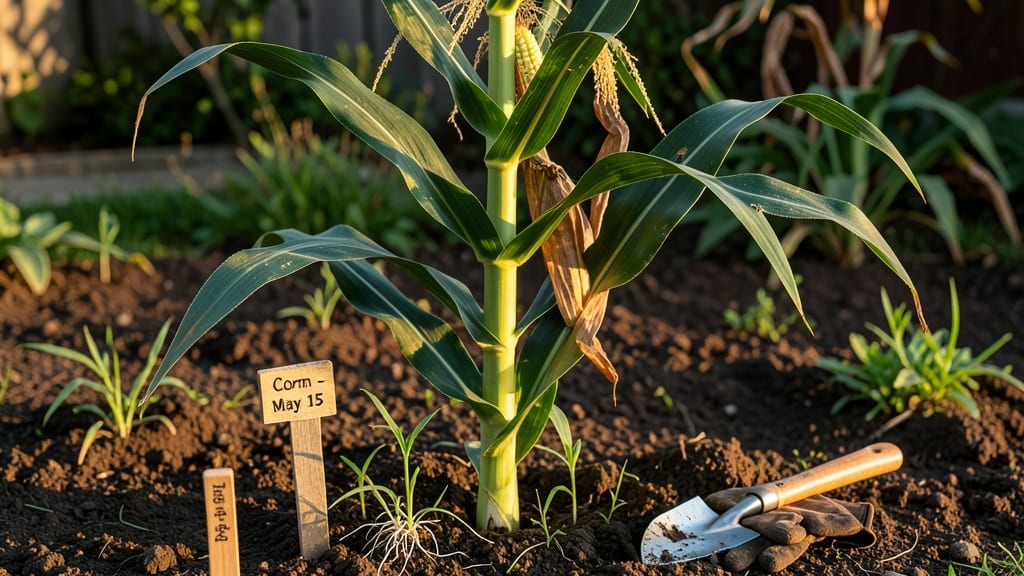
Timing your corn planting in Connecticut perfectly means the difference between a bumper crop of sweet 🌽 and a sad, frost-nipped disappointment. With USDA Zone 6a frost dates that can swing wildly between coastal and inland areas, getting it right takes more than just guessing.
Most gardeners here aim for late April to mid-May, but soil temperature is the real game-changer. Your seeds need 50-60°F soil to germinate properly, and waiting for that magic window can mean the difference between 70-day harvests and stunted plants.
I'll show you exactly how to track these conditions and adjust your schedule.
Beyond the calendar, we'll cover variety selection tailored to Connecticut's short season, plus pro tips to extend your growing window without risking frost damage. Whether you're a first-time gardener or a seasoned pro, these strategies will help you maximize your harvest from July through September.
Let's dive into the exact steps to time your planting like a local expert—because in Connecticut, getting corn right starts with getting the timing perfect.
Connecticut corn planting timeline: frost dates & soil temperature guidelines
Timing your corn planting in Connecticut hinges on two critical factors: soil temperature and last frost dates. Corn seeds need 50-60°F soil to germinate, while young plants can't survive below 55°F air temperatures. Since Connecticut spans USDA zones 6a/6b, coastal areas warm earlier than inland regions.
Most of the state experiences its average last frost between April 15-30, but inland areas like Hartford may wait until mid-May. Coastal zones like New London often see frost-free conditions by early April. Always check your local Almanac frost predictor for precise dates each year.
For reliable germination, wait until soil reaches 50°F consistently—use a soil thermometer to verify. In cold springs, consider black plastic mulch to warm soil faster. Planting too early risks rotten seeds or frost-killed seedlings, while late planting may yield small ears before fall frosts.
Here’s how to adjust for your microclimate: Inland areas should aim for late April to early May, while coastal gardens can start as early as mid-April. Mountainous regions like the Taconic Range may need to wait until mid-May.
| Region | Avg. Last Frost | Ideal Planting Window | Soil Temp. Goal |
|---|---|---|---|
| Coastal (New London, Groton) | Mid-April | Late April | 50-55°F |
| Central (Hartford, New Haven) | April 20-30 | Early May | 55-60°F |
| Inland (Torrington, Waterbury) | May 1-15 | Mid-May | 60°F+ |
🌱 Note: Adjust 1-2 weeks earlier for early varieties or later for late-blooming seasons.
To extend your growing season, consider staggered planting: sow seeds every 10-14 days until mid-June. This ensures a continuous harvest and reduces risk from late-season frosts. For example, plant early varieties like 'Early Sunglow' in late April and longer-season types like 'Silver Queen' in early June.
Use a frost clock or local Cooperative Extension Service updates to fine-tune your schedule. In 2023, for instance, Hartford’s last frost occurred May 5, delaying ideal planting by nearly two weeks compared to the 30-year average. Always prepare for unpredictable weather by having row covers ready.
Pro tip: Test your soil’s pH (6.0-7.0) and organic matter (3-5%) before planting. Amend with compost or aged manure to improve warmth retention. Corn thrives in loamy soil that drains well but holds moisture—critical for Connecticut’s variable rainfall patterns.
Remember, corn needs 60-90 days to mature, so calculate backward from your first frost date (mid-October). For example, if your variety takes 85 days, plant by July 1 to avoid frost damage. Use this harvest timeline to plan your schedule:
For emergency frost protection, cover young plants with floating row covers or old bedsheets if temperatures dip below 32°F. Even a light frost can stunt growth, so monitor forecasts closely. With the right timing, you’ll enjoy sweet, juicy corn from July through September—worth the patience!
Connecticut corn planting timeline: frost dates & soil temperature guidelines
Timing your corn planting in Connecticut depends on two critical factors: soil temperature and last frost dates. Corn seeds need soil temps of 50-60°F to germinate reliably, while coastal areas warm up 1-2 weeks earlier than inland zones.
I’ll break down the exact windows for your region to avoid frost damage while maximizing your harvest.
Most of Connecticut falls in USDA Zone 6a/6b, where the average last frost date ranges from mid-April (coastal) to early May (inland valleys). However, frost can linger unpredictably—always check your local Almanac frost calendar or use a soil thermometer to confirm readiness.
🌱 Key Takeaway: Plant corn 2-3 weeks after your last frost date to ensure soil warmth and avoid stunted growth. For example, if your last frost is May 1, aim for May 15-20 for optimal germination.
If you’re eager to start earlier, consider staggered planting in late April for fast-maturing varieties (like 'Early Sunglow') or use black plastic mulch to warm soil by 5-10°F. I’ve tested this method in my Zone 6a garden—it shaves off 7-10 days from the growing season!
For reliable germination, wait until soil temps consistently reach 60°F for at least 5 days. Cold soil delays sprouting and invites rot. Pro tip: Plant deep (1-1.5 inches) to protect seeds from temperature swings near the surface.
Don’t forget: Connecticut’s short growing season (165 frost-free days) demands fast-maturing varieties. Choose types with 70-90 days to harvest—any longer risks immature ears before frost. I’ll cover top varieties in the next section!