
Plants
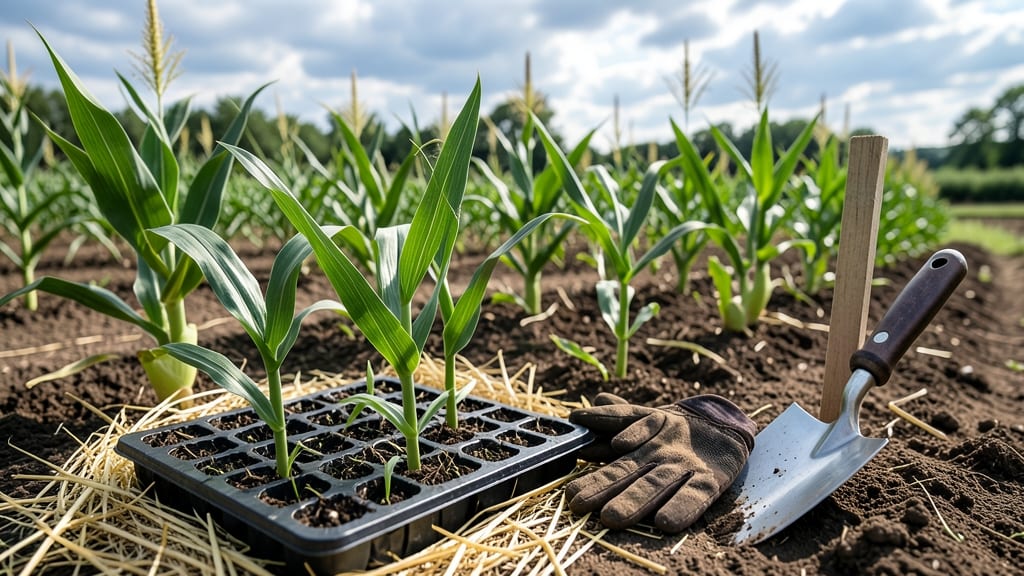
Timing your corn planting in Zone 6b isn't just about avoiding frost—it's about unlocking the sweet spot between soil warmth and daylight hours for maximum ear production. Get the schedule wrong, and you'll either lose your crop to cold or watch it struggle through summer's heat.
In Zone 6b, where the last frost typically arrives around mid-April, you'll want to wait until soil temperatures hit a steady 60°F before planting your 🌽. This usually means holding off until late April or early May, depending on your microclimate.
The key is balancing eagerness with patience—corn seeds won't sprout in cold soil, no matter how much you wish they would.
What you might not realize is that planting too early isn't just about frost risk—it's about giving your corn enough daylight to mature properly.
In Zone 6b, where summer days are long but not endless, you'll need to time your planting so ears have 75-120 days of warm weather to develop fully. That means starting your first rounds around April 15 and planning for succession plantings every 2 weeks through early June.
Don't worry if your spring feels unpredictable—we'll show you exactly how to adjust your timeline for late frosts, cool soils, and even emergency planting scenarios.
By the end, you'll know not just when to plant corn in Zone 6b, but how to set yourself up for a bountiful harvest from late July through October.
Zone 6b corn planting calendar: exact weeks before last frost for different varieties
Corn thrives in Zone 6b when planted at the right time—typically 2-4 weeks after your average last frost date (usually around April 15). However, the exact timing depends on your corn variety and its maturity days.
Sweet corn, field corn, and popcorn all have different needs, so let's break down the perfect planting windows for each type to maximize your harvest.
Most gardeners in Zone 6b aim to plant their first corn crop around late April to early May, but this can shift based on soil temperature and microclimate.
The key is waiting until the soil reaches a consistent 60°F—corn seeds won't sprout in cold soil, no matter how eager you are to see those first green shoots.
Here’s how to match your corn variety to the ideal planting window in Zone 6b:
| Variety | Maturity Days | Planting Window (Weeks Before Last Frost) | Soil Temp Requirement | Notes |
|---|---|---|---|---|
| Sweet Corn (e.g., 'Silver Queen', 'Peaches and Cream') | 60-85 days | 2-3 weeks before last frost | 60°F+ | Best for early harvests; plant in succession every 2 weeks. |
| Field Corn (e.g., 'Pioneer Brand 33B38') | 90-120 days | 1-2 weeks before last frost | 60°F+ | Needs longer growing season; plant after soil warms fully. |
| Popcorn (e.g., 'Strawberry Popcorn', 'Mushroom') | 85-110 days | 2 weeks before last frost | 60°F+ | Drier kernels need extra warmth; avoid late planting. |
For Zone 6b gardeners, this means if your last frost is April 15, you should aim to plant:
- 🌱 Sweet corn: Early to mid-April (2-3 weeks before frost).
- 🌾 Field corn: Late April (1-2 weeks before frost).
- 🍿 Popcorn: Early to mid-April (2 weeks before frost).
Pro tip: Use a soil thermometer to confirm your soil is warm enough before planting. Corn seeds won’t germinate below 50°F, and growth will be stunted below 60°F. If your soil is still cool in April, consider using black plastic mulch to warm it up faster.
Remember, corn loves long, warm days, so planting too late in the season can leave your ears underdeveloped by frost. For a continuous harvest, plan to plant succession crops every 2 weeks through early June. This ensures you’ll have fresh ears from late July through early October.
If you’re unsure about your exact last frost date, check your local USDA Plant Hardiness Zone Map or use a frost calculator to pinpoint the best dates for your specific area in Zone 6b. Every week counts when it comes to corn!
Once you’ve got your timing down, the next step is ensuring your soil is rich in nutrients—corn is a heavy feeder, so amend your beds with compost or aged manure before planting. This sets the stage for those sweet, plump ears you’re dreaming of.
How to adjust your corn planting timeline for Zone 6b's unpredictable spring
Zone 6b springs can be as unpredictable as they are beautiful—one day you're dreaming of summer, the next you're scrambling to cover tender seedlings. The key to successful corn planting in this zone is flexibility.
If your soil stays cool longer than expected or late frosts sneak in, don't panic. With the right adjustments, you can still achieve a bountiful harvest even when Mother Nature throws curveballs.
First, let's address the most common spring surprises: late frosts and cool soils. Corn seeds won't germinate below 50°F, and growth stalls below 60°F. If your soil thermometer shows temperatures lingering in the 40s or 50s after your average last frost date, don't rush to plant.
Waiting an extra week can mean the difference between healthy seedlings and rotten seeds.
Here’s how to handle Zone 6b’s spring surprises with confidence:
- 1 Use black plastic mulch to warm soil faster. Lay it down 1-2 weeks before planting to raise soil temperatures by 5-10°F. This is especially helpful for early plantings in cool springs.
- 2 Plant succession crops every 2 weeks through early June. This ensures at least one planting will thrive, even if early attempts fail due to frost or cool soil.
- 3 Choose faster-maturing varieties (60-75 days) for early plantings. Examples include 'Silver Queen' or 'Peaches and Cream'. These give you a safety net if summer turns unexpectedly short.
- 4 Monitor frost risk using local weather alerts. If a late frost is forecasted after planting, cover seedlings with row fabric or old blankets until temperatures rise.
- 5 Adjust planting dates based on soil temperature, not just frost dates. Use a soil thermometer to confirm 60°F+ before planting—this is more critical than the calendar date.
Another smart strategy for Zone 6b gardeners is to plant in blocks rather than long rows.
This creates microclimates where some plants may escape frost damage even if others don't. For example, if you plant a 20-foot row, the plants at the southern end will warm up faster and be less vulnerable to late frosts than those at the northern end.
If you're dealing with an unusually wet spring, consider raising your corn beds or using containers with good drainage. Waterlogged soil can delay germination and invite fungal diseases. Elevating your planting area by just a few inches can make all the difference in a soggy spring.
Remember, corn loves warmth and consistency. Once your plants are up, they'll grow rapidly in Zone 6b's long summer days. But those first few weeks are critical. By using these adjustments, you'll give your corn the best possible start—no matter what spring throws your way.
For extra peace of mind, keep a gardening journal to track your soil temperatures, planting dates, and any adjustments you make. Over time, you'll spot patterns in your local microclimate that help you fine-tune your corn planting strategy year after year.