
Plants
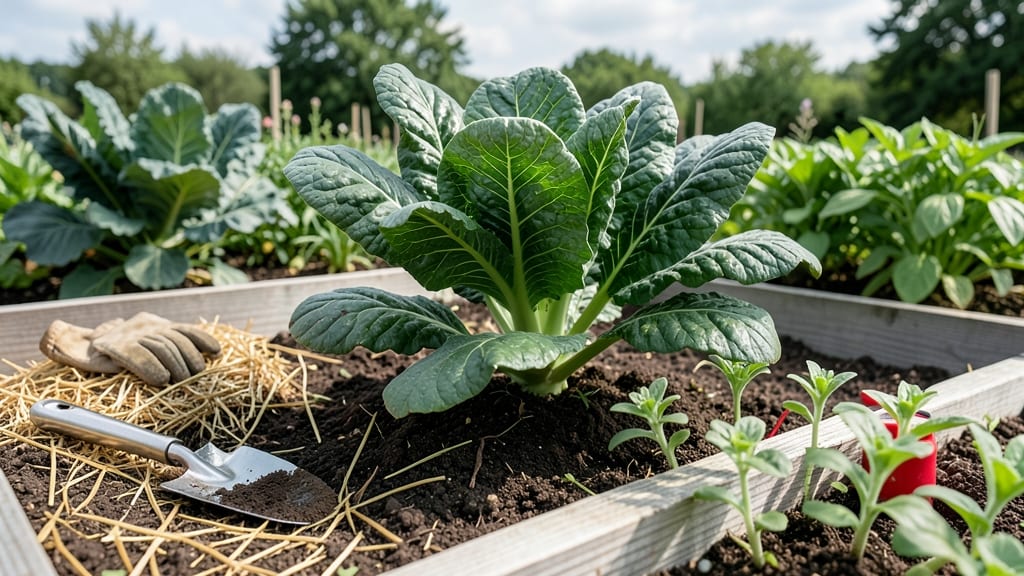
If you’ve ever wondered when to plant collard greens in Georgia, timing is the secret to sweet, tender leaves instead of bitter or bolted plants.
Georgia’s mild winters and long growing seasons make collard greens a gardener’s favorite, but planting too early risks frost damage, while waiting too late means tough leaves by summer.
For the best results, aim for two key windows: late February through early March for spring plantings and August through early September for fall. These timing strategies align with Georgia’s 7b-8b zones, ensuring your 🥬 thrives without stress.
Whether you’re a first-time gardener or a seasoned pro, getting this right means a continuous harvest from April through November.
Why does timing matter so much? Collard greens are cold-hardy but hate extreme heat, so planting them in the cooler months lets them focus on leaf growth instead of survival.
I’ll show you how to avoid common mistakes—like planting too close to summer’s peak—and how to extend your harvest with simple tricks that work in Georgia’s climate.
Ready to grow collards that taste like they came from a Southern kitchen? Let’s break down the exact steps, from soil prep to succession planting, so you can enjoy fresh greens all season long without the guesswork.
Georgia’s ideal collard green planting windows: frost dates & heat tolerance
Georgia’s USDA zones 7b-8b give you two prime windows for planting collard greens: early spring and late summer. The key is avoiding frost damage in winter and heat stress in summer.
Most gardeners in Georgia target late February to early March for spring plantings and August to early September for fall harvests.
Your last frost date typically falls around mid-March in most of Georgia, but coastal areas like Savannah may see frost as late as early April.
For fall plantings, aim to sow seeds 8-10 weeks before your first frost—usually by mid-September in northern Georgia and early October in southern regions.
Collard greens are cold-hardy but won’t tolerate freezing temperatures for long. If you’re in Zone 7b, protect young plants with row covers during unexpected cold snaps. In Zone 8b, you can push your fall planting slightly later, even into early October, for a winter harvest.
For summer plantings, choose heat-tolerant varieties like 'Blue Max' or 'Georgia Southern' to avoid bolting (premature flowering). These varieties can handle 90°F+ temperatures better than standard types. Plant in partial shade during peak summer heat to prevent leaf stress.
Here’s how to calculate your perfect planting window: subtract 60-90 days from your average first frost date for fall plantings. For spring, add 4-6 weeks before your last frost date. This ensures your collards mature before extreme heat or cold sets in.
Georgia Collard Green Planting Timeline
| Planting Window | USDA Zone 7b | USDA Zone 8b | Key Consideration |
|---|---|---|---|
| Spring Planting | Late Feb - Early Mar | Late Feb - Early Mar | Avoid frost; use row covers if needed |
| Fall Planting | Mid-Aug - Early Sep | Early Aug - Mid-Sep | Harvest before first frost; extend with mulch |
| Summer Planting | Not Recommended | Late July - Early Aug (shade only) | Use heat-tolerant varieties + shade cloth |
| Harvest Window | April - May (spring) / Oct - Nov (fall) | April - May (spring) / Oct - Dec (fall) | Continuous harvest; outer leaves first |
If you’re in northern Georgia (Zone 7b), focus on spring and fall plantings only. The Piedmont region has shorter frost-free windows, so prioritize cold-hardy varieties like 'Vates' for winter harvests.
In southern Georgia (Zone 8b), you can experiment with late summer plantings under 30% shade cloth to beat the heat.
Pro tip: Test your soil’s pH (6.0-7.0) before planting. Georgia’s clay-heavy soils in some areas benefit from compost amendment to improve drainage. Add 2-3 inches of compost to your planting beds 2-3 weeks before sowing seeds for optimal growth.
For container gardening, use 5-gallon pots with well-draining mix. Plant in late spring (May) when soil temps stay above 50°F. Containers warm up faster, so monitor moisture closely during Georgia’s humid summers.
Remember: Succession planting every 3-4 weeks in spring and fall ensures a steady supply of fresh collards. Start with 3-4 seeds per spot, thin to 12-18 inches apart—this spacing prevents disease spread and improves airflow in Georgia’s damp climate.
Georgia’s ideal collard green planting windows: frost dates & heat tolerance
Georgia’s USDA zones 7b-8b give you two prime windows for planting collard greens: late February to early March for spring and August to early September for fall.
These timing strategies align with your state’s average last frost date (mid-March) and first frost (mid-November), ensuring your plants mature before extreme heat or cold sets in.
Spring plantings give you a harvest from April through May, while fall plantings reward you with tender leaves from October through November.
Why these windows? Collard greens are cold-hardy but heat-sensitive. Planting in late winter or early fall lets them focus on leaf production instead of bolting (flowering prematurely) or developing tough, bitter leaves.
For example, the ‘Georgia Southern’ variety thrives in Georgia’s climate because it tolerates light frosts but avoids the stress of peak summer temperatures.
Here’s how to calculate your perfect planting window: Subtract 60-90 days from your average first frost date (mid-November) for fall plantings. For spring, add 4-6 weeks before your last frost date (mid-March).
This ensures your collards mature before summer’s heat or winter’s chill ruins your harvest. For instance, if your last frost is March 15, plant by February 15 for a spring harvest.
| Planting Window | Ideal Months | Harvest Window | Notes |
|---|---|---|---|
| Spring Planting | Late February - Early March | April - May | Plant 4-6 weeks before last frost; avoid summer heat. |
| Fall Planting | August - Early September | October - November | Sow 60-90 days before first frost; use shade cloth for summer. |
| Heat-Tolerant Varieties | Late Summer | September - October | Choose ‘Top Bunch’ or ‘Vates’ for summer-edge plantings. |
If you’re in Georgia’s Coastal Plain (warmer zones), you can push your fall planting slightly later—up to mid-September—while Piedmont gardeners should stick to early September to avoid early frosts.
For example, in Athens (Zone 8a), aim for August 20 to ensure a harvest before the first frost on November 15. Always check your local frost dates using the Georgia Climate Project or UGA Extension for precise timing.
For gardeners in North Georgia (Zone 7a), err on the earlier side: Plant spring collards by February 1 and fall collards by August 1. These adjustments account for cooler nights and shorter growing seasons.
Pro tip: Use row covers in late fall to extend your harvest into December if your winters are mild.
Heat-tolerant varieties like ‘Blue Max’ or ‘Georgia Southern’ can handle 85°F+ temperatures better than standard collards, making them ideal for late-summer plantings. If you’re experimenting with summer collards, start seeds indoors in June and transplant in July, using shade cloth (30-50%) to protect them from intense afternoon sun.
Just remember: Even heat-tolerant varieties won’t thrive in peak summer (June-August), so avoid planting then unless you’re using shade solutions.
Once you’ve nailed your planting window, focus on soil prep and spacing. Collard greens need well-draining soil with a pH of 6.0-7.0 and 18-24 inches of space between plants to avoid overcrowding.
Mulch with straw or leaves to retain moisture and regulate soil temperature—this is especially critical in Georgia’s humid summers. With the right timing and care, you’ll enjoy sweet, tender collards for months, not just weeks.