Plants
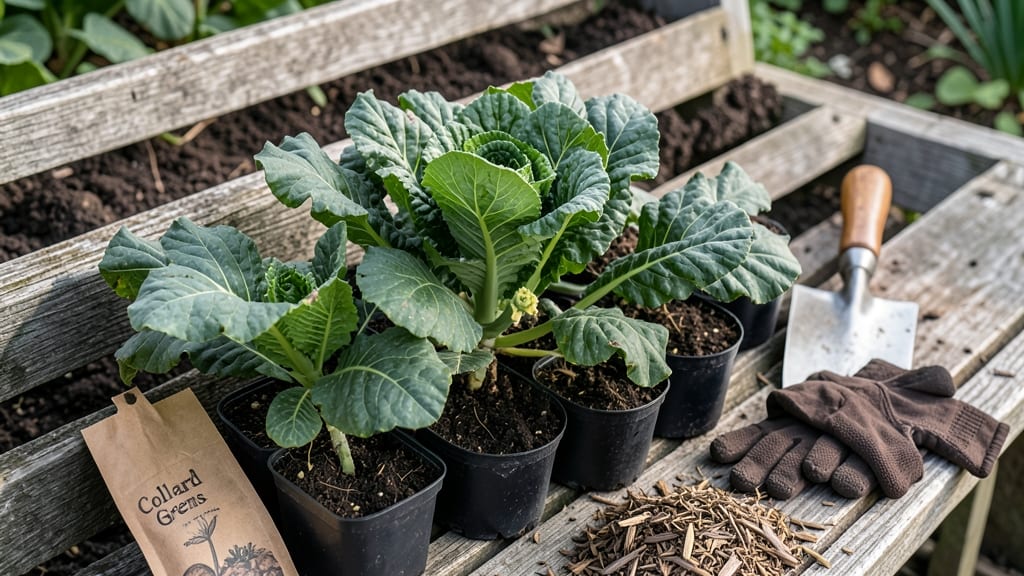
Knowing when to plant collard greens in Alabama can mean the difference between a bountiful harvest and wasted effort. These heat-tolerant greens 🥬 thrive in Alabama’s mild winters and long growing season, but timing is everything to avoid bolting or frost damage.
Most gardeners in Alabama’s USDA zones 7a-8b plant collards in early spring (February-March) or late summer (August-September). This aligns perfectly with Alabama’s climate, where cool nights and warm days create ideal growing conditions.
If you’re new to growing collards, don’t worry—this guide covers everything from soil prep to heat-resistant varieties. You’ll learn how to extend your harvest season and avoid common mistakes that ruin crops in Alabama’s unpredictable weather.
Ready to grow your own delicious, homegrown collards? Let’s dive into the best planting schedule and tips to maximize your yield in Alabama’s unique climate.
Best months to plant collard greens in Alabama: a heat-zone breakdown
Collard greens (Brassica oleracea) thrive in Alabama’s climate, but timing is critical to avoid bolting from summer heat or frost damage in winter. Alabama’s USDA Zones 7a-8b mean you can grow them year-round with the right schedule—spring and fall are ideal, while summer requires heat-tolerant varieties.
Northern Alabama (Zones 7a-7b) has later last-frost dates (March 15-April 1), while Southern Alabama (Zones 8a-8b) can plant as early as February without frost risk. Always check your local Alabama Extension Office for precise frost dates.
Here’s your Alabama-specific planting timeline for maximum yield and flavor:
| Planting Window | Best Months | Method | Notes |
|---|---|---|---|
| Early Spring | February–March | Direct sow or transplant | Soil temps 40°F+; avoid bolting with shade cloth. |
| Late Summer | August–September | Direct sow only | Use heat-tolerant varieties; harvest before first frost (Nov 15). |
| Fall | October | Transplant | Plant 6-8 weeks before frost for winter harvests. |
| Winter | December–January | Direct sow (cold-hardy) | Mulch heavily to protect from freezing temps. |
For direct sowing, scatter seeds ¼-inch deep in rows 18 inches apart. Transplants should be 6-8 weeks old and spaced 12-18 inches apart.
Southern Alabama gardeners can push spring planting into early April with shade cloth, but avoid summer heat—collards bolt when temps exceed 85°F for prolonged periods.
Northern Alabama’s cooler springs mean you can start seeds indoors in January for transplanting after the last frost. Use black plastic mulch to warm soil faster in colder zones, accelerating growth by 2-3 weeks. Always test soil pH (6.0-7.0) and amend with compost for nutrient-rich greens.
Pro tip: Stagger plantings every 2-3 weeks in spring/fall for a continuous harvest. For example, plant February 1, February 15, and March 1 to enjoy collards from April through June and again in fall. This succession planting maximizes your garden’s potential.
Alabama’s humid climate also increases disease risk, so rotate crops annually and avoid overhead watering. Use drip irrigation to keep leaves dry and prevent downy mildew. If you notice yellowing leaves, it’s often a sign of overwatering or nutrient deficiency—adjust care immediately.
Remember: Collards are a cool-season crop, but Alabama’s mild winters let them grow year-round with protection. With the right timing, you’ll enjoy tender, flavorful greens from spring through winter—no summer bolting in sight! 🌱
Best months to plant collard greens in Alabama: a heat-zone breakdown
Alabama’s USDA zones 7a-8b create two ideal windows for planting collard greens: early spring (February-March) and late summer (August-September). These periods align with Alabama’s mild winters and hot summers, preventing bolting or frost damage.
For best results, start seeds indoors 4-6 weeks before your last frost date (typically mid-March) or sow directly when soil reaches 40°F.
Northern Alabama (zones 7a) has cooler springs, so aim for late February to early March for spring planting. Southern Alabama (zones 8a-8b) can plant as early as January due to warmer microclimates. Summer planting should occur by mid-August to ensure harvest before fall frosts in November.
🌱 Alabama Collard Green Planting Schedule
| Season | Planting Window | Key Considerations | Harvest Time |
|---|---|---|---|
| Spring | February-March | Soil temp ≥40°F, avoid late spring heat | May-June |
| Summer | August-September | Heat-tolerant varieties, harvest before frost | October-November |
| Fall | September-October | Staggered planting for extended harvest | Winter months |
| Winter | October-November | Cold-hardy varieties only, protect from light frost | Spring |
For direct sowing, plant seeds ½ inch deep and 12 inches apart in rows spaced 18 inches apart. This spacing prevents overcrowding and improves airflow, reducing Alabama’s common fungal diseases.
If transplanting, choose 4-6 week old seedlings and harden them off for 7-10 days before moving to the garden.
Alabama’s microclimates matter—gardeners in higher elevations (like the Appalachian region) should plant 2 weeks later than coastal areas. Coastal Alabama’s warmer winters allow for year-round production with proper variety selection. Always check your local Alabama Extension office for frost date updates, as these can vary yearly.
To avoid bolting (premature flowering), never let collards sit in hot summer soil for extended periods. Use shade cloth during peak summer months if planting early. For extended harvests, stagger plantings every 2-3 weeks from February through September. This ensures a continuous supply of fresh greens year-round.
Remember: Collards are cool-season crops that tolerate light frost but won’t survive hard freezes. In Alabama’s mild winters, they often produce sweeter leaves after exposure to 20-30°F temperatures. With the right timing, you can enjoy homegrown collards from spring through winter!