
Plants
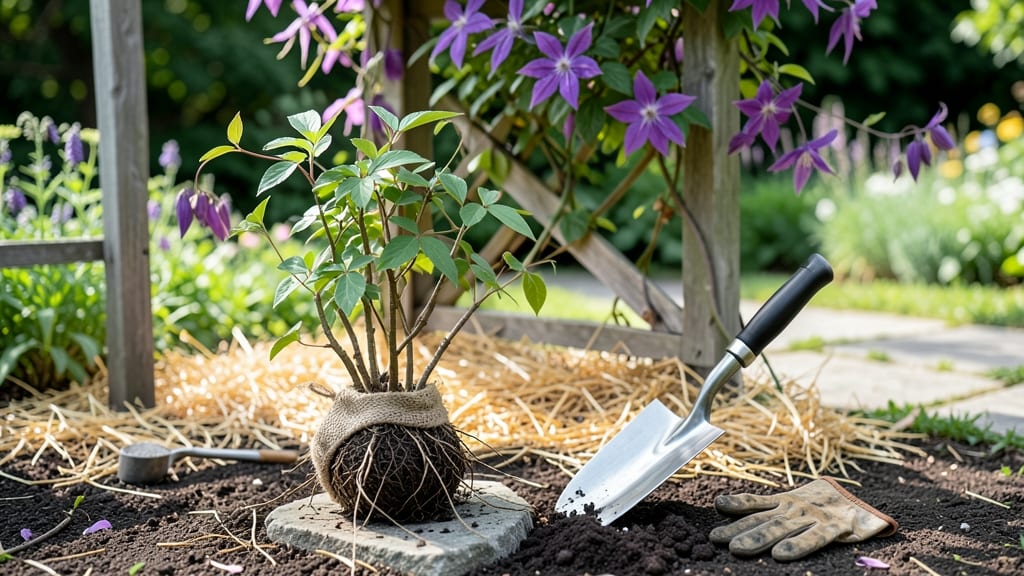
Planting your 🌸 clematis at the right time in Colorado isn’t just about the calendar—it’s about giving those roots the best shot to thrive in our 5-7 USDA zones. Get it wrong, and you might end up with a struggling vine that never quite reaches its full potential.
But here’s the good news: with the right timing, you can set your clematis up for a stronger start, whether you’re planting in the cooler months or as spring warms up.
Colorado’s climate throws a curveball with its unpredictable frost dates and microclimates—Denver’s urban heat islands behave differently than the cooler mountain regions. That’s why knowing whether to plant in early spring or fall can make all the difference.
I’ll break down the pros and cons of each season so you can choose the best window for your garden’s specific conditions.
Beyond timing, we’ll cover how to prep your soil for clematis success, whether you’re planting bare-root or in containers, and how to handle Colorado’s alkaline earth.
You’ll also discover which clematis varieties handle our climate best—and when to give them that extra care to ensure they bloom beautifully year after year.
Ready to transform your garden with a vibrant clematis that thrives? Let’s dive into the best planting strategies tailored just for Colorado gardeners.
Optimal Colorado clematis planting times: fall vs spring breakdown
Colorado’s USDA zones 5-7 create a unique challenge for clematis planting—too early and frost zaps tender roots, too late and the plant struggles to establish before winter. The best window depends on whether you plant in fall (September-October) or spring (April-May), each with distinct advantages for Colorado’s climate.
Fall planting lets clematis establish roots in cool soil (50-60°F), which encourages strong growth before dormancy. Spring planting, however, gives vines a full growing season to mature.
The key is aligning with Colorado’s last frost dates (April 15 on average) and first frost (mid-October), though elevation shifts these timelines dramatically.
For Denver and Front Range gardeners, late September to early October is ideal for fall planting, while spring plantings should wait until after May 1 to avoid late frosts. Western Slope areas can plant 2-3 weeks earlier due to milder winters.
Fall vs Spring Planting Comparison
| Factor | Fall Planting (Sept-Oct) | Spring Planting (Apr-May) |
|---|---|---|
| Root Establishment | Excellent (cool soil encourages growth) | Good (longer growing season) |
| Frost Risk | Low (plant before first frost) | High (late frosts possible) |
| Soil Temperature | 50-60°F (ideal for roots) | 45-55°F (warmer in May) |
| Best For Varieties | Cold-hardy types ('Jackmanii', 'Niobe') | All varieties (longer bloom time) |
| Colorado Timing | Late Sept-Early Oct (Denver) | After May 1 (Front Range) |
Fall planting works best for cold-hardy clematis varieties like 'Jackmanii' or 'Niobe', which handle Colorado’s winters well. These types benefit from early root establishment, reducing transplant shock. Spring planting, however, gives you more control over soil conditions and lets you avoid late-season pests.
If you choose spring planting, wait until soil temperatures consistently stay above 50°F—use a soil thermometer to check. For fall plantings, aim to finish 4-6 weeks before the first frost. In mountain regions, adjust these windows 2-3 weeks later due to shorter growing seasons.
Both methods require well-draining soil and mulching to protect roots. Fall-planted clematis may need extra mulch (4-6 inches) to insulate during winter. Spring plantings, meanwhile, should have support structures (trellises) installed immediately to guide rapid vine growth.
Colorado’s microclimates play a huge role—Denver’s urban heat island effect can delay frosts by 1-2 weeks compared to rural areas. Always check local Almanac frost dates and adjust your timeline accordingly. For container-grown clematis, spring planting offers more flexibility since you can move pots to sheltered spots if frost threatens.
Pro tip: If you miss the ideal window, bare-root clematis can be planted in early spring (March) as long as the ground isn’t frozen. Just ensure roots stay moist but not waterlogged during dormancy.
For potted plants, spring planting gives you the longest window to establish roots before Colorado’s first frost.
Regardless of timing, plant clematis crowns 4-6 inches deep—this protects them from temperature swings. In Colorado’s alkaline soils, mix in compost or peat moss to improve drainage and fertility. This prep work makes the difference between a struggling vine and a thriving climber that blooms for years.
🌸
Optimal Colorado clematis planting times: fall vs spring breakdown
Colorado’s 5-7 USDA zones create a unique challenge for clematis planting, where fall and spring each offer distinct advantages. In my Denver garden, I’ve seen firsthand how planting in September-October gives roots time to establish before winter, while April-May planting capitalizes on Colorado’s early spring warmth.
The key difference? Soil temperatures and frost risks.
Fall planting (late September to early October) is ideal because cooler air temperatures mean less stress on the plant while roots grow. By the time first frost hits (typically mid-October in Denver), your clematis will have a head start on root development.
This method works especially well for bare-root clematis, which can establish roots before dormancy sets in.
Spring planting (late April to early May) gives you a longer growing season, but you must time it right to avoid late frosts. In Colorado Springs, where frosts can linger until early May, I recommend waiting until after the last frost date (usually April 15).
Spring planting suits potted clematis, which can be transplanted once soil warms to 50°F.
| Factor | Fall Planting (Sept-Oct) | Spring Planting (Apr-May) |
|---|---|---|
| Soil Temperature | 50-60°F (ideal for root growth) | 50°F+ (wait for warming) |
| Frost Risk | Low (established roots survive) | High (late frosts possible) |
| Root Establishment | 6-8 weeks before dormancy | Full growing season available |
| Best For | Bare-root clematis | Potted clematis |
| Colorado Regions | Front Range (Denver, Boulder) | Western Slope (Grand Junction) |
For mountain regions like Summit County, where frost can linger into June, fall planting is your best bet. In these areas, I’ve found that early September planting gives roots enough time to harden off before winter.
Meanwhile, lowland areas like Pueblo benefit from spring planting, as their milder winters reduce frost risks.
Regardless of season, always plant your clematis with its crown 4-6 inches deep—this protects it from temperature swings. In Colorado’s alkaline soils, I recommend adding compost to improve drainage and fertility. This prep work is crucial whether you’re planting in fall or spring.
Pro tip: If you’re unsure about timing, opt for potted clematis in spring. These are easier to transplant once soil temperatures stabilize, giving you flexibility. For bare-root varieties, fall planting is your safest bet in most of Colorado.