
Plants
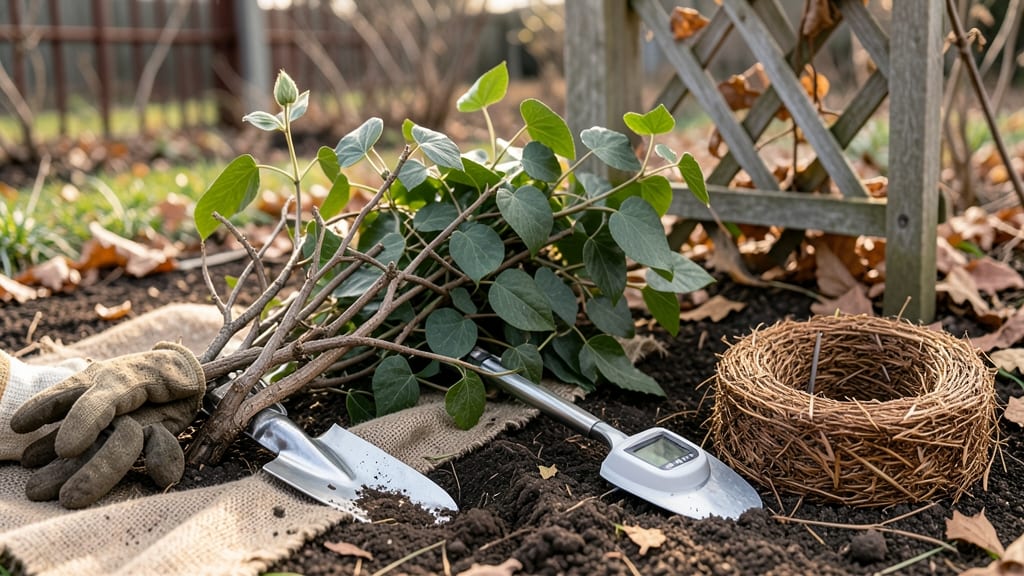
Timing your clematis planting in Ohio is the key to those showstopping 🌸 blooms you’ve been dreaming of—because getting it wrong means frost or missed growth windows.
With Ohio’s Zone 6a climate, you’ve got just a narrow window to plant these vigorous vines for maximum success, and late frosts can still sneak in until mid-April.
Most gardeners in Ohio swear by fall planting in September as the safest bet, letting roots establish before winter. But spring planting works too—just wait until after your last frost (usually around April 15) and when soil temps hit a steady 50°F.
The difference between these two methods can mean the gap between thriving vines and struggling starts.
Here’s the game-changer: whether you’re a first-time gardener or a seasoned pro, I’ll break down exactly how to time your planting for Ohio’s climate—plus soil prep tips to give your clematis the head start it needs. Let’s make sure your garden gets the vibrant blooms you’re hoping for.
From avoiding late frosts to choosing the right variety for Ohio’s short growing season, you’ll learn everything to turn your clematis into the star of your garden. Ready to get started?
Optimal planting windows for clematis in Ohio’s Zone 5-6 climate
Ohio’s Zone 5-6 climate creates a delicate balance for planting clematis. The key is timing—plant too early, and frost will damage tender roots; too late, and your vines may struggle to establish before winter.
For Ohio gardeners, the best planting windows are early spring (March-April) or fall (September), when soil temperatures hover around 50-60°F.
Spring planting aligns with Ohio’s last average frost date (April 15) in most regions. This gives clematis 6-8 weeks of warm soil before summer heat arrives. Fall planting, however, offers a 6-8 week root establishment period before winter dormancy, reducing transplant shock.
Northern Ohio’s colder microclimates benefit more from spring planting, while southern Ohio’s milder winters allow for successful fall transitions.
Here’s the critical timeline for Ohio gardeners: - Northern Ohio (Zone 5b): Aim for April 1-15 (spring) or September 1-15 (fall). - Southern Ohio (Zone 6a): Expand to March 15-April 30 (spring) or September 15-October 1 (fall). Always check your local USDA frost maps for precise adjustments.
| Planting Window | Ohio Zone | Soil Temp | Key Consideration |
|---|---|---|---|
| Early Spring (March-April) | 5b-6a | 50-60°F | Avoid frost; plant after last frost date |
| Fall (September) | 5b-6a | 55-65°F | Establish roots before winter dormancy |
| Late Spring (May) | 6a only | 60°F+ | Risk of summer stress; less ideal |
For early-blooming varieties like 'Jackmanii', spring planting is ideal—they need full root establishment before their first bloom cycle. Mid-season bloomers (e.g., 'Niobe') adapt better to fall planting, while late-season varieties (e.g., 'Perle d’Azur') can handle either window.
Ohio’s humidity and summer heat mean fall planting often yields healthier vines with fewer pest issues.
Pro tip: If you miss the spring window, container-grown clematis can be planted as late as May 15 in southern Ohio, but expect slower establishment. Always acclimate container plants for 1-2 weeks before transplanting to reduce shock.
Mulch heavily after planting to retain soil moisture and regulate temperature—critical in Ohio’s hot summers and cold snaps.
Ohio’s microclimates vary dramatically. Urban areas like Columbus may experience earlier last frost dates (mid-April), while rural areas in northern Ohio (e.g., Toledo) can see frost until May 1. Use local weather stations or garden journals from nearby nurseries to fine-tune your timing.
For example, Cleveland’s Zone 5b gardeners should wait until April 20 for spring planting, while Cincinnati’s Zone 6a can start as early as March 25.
One common mistake in Ohio is planting too deep. Clematis crowns should sit 4-6 inches below soil level—any deeper risks rot in heavy clay soils, common across Ohio.
Pair this with a support structure (trellis, arbor) at planting to encourage upward growth and prevent flopping in summer storms.
Fall planting in Ohio offers a secret advantage: cooler temperatures reduce stress from transplant shock. However, avoid planting after October 1, as new roots won’t harden off before winter.
If you choose fall, water deeply every 10-14 days until frost sets in to encourage root growth. In spring, resume watering weekly once shoots emerge—typically by mid-April.
For Ohio gardeners, the golden rule is: plant when soil is workable but not frozen. Use your finger to test—soil should crumble easily when squeezed. If it forms a hard clump, wait 1-2 weeks.
This simple check beats guessing games with Ohio’s unpredictable springs. With the right timing, your clematis will reward you with vibrant blooms from June through September.
Optimal planting windows for clematis in Ohio’s Zone 5-6 climate
Ohio’s Zone 5-6 climate means your clematis planting success hinges on precise timing—miss the window, and you risk frost damage or stunted growth. The two best times to plant are early spring (April) or fall (September), each with unique advantages for Ohio gardeners.
For spring planting, wait until after Ohio’s average last frost date (April 15), but don’t delay past mid-May. Soil temperatures should reach a steady 50°F to encourage root growth.
Fall planting, however, offers a head start—planting in September lets roots establish before winter, giving you a stronger vine next spring.
Northern Ohio’s colder microclimates may need to adjust these windows slightly. In areas like Toledo or Cleveland, aim for late April to early May for spring planting, while southern Ohio (e.g., Cincinnati or Columbus) can plant a week earlier.
Always check your local frost dates—late frosts can still occur in early May.
🌱 Clematis Planting Timeline for Ohio
| Season | Optimal Planting Window | Soil Temp Requirement | Key Consideration |
|---|---|---|---|
| Spring | April 15 – May 15 | 50°F+ | Avoid late frosts; soil must be workable |
| Fall | September 1 – September 30 | 60°F+ | Roots establish before winter; mulch heavily |
💡 Pro Tip: Use a soil thermometer to confirm temperatures—cold soil delays root growth.
If you’re planting in spring, prioritize early-blooming varieties like 'Jackmanii' to take advantage of Ohio’s short growing season. These varieties bloom on old wood (last year’s growth), so planting them early ensures they’ll have time to establish before summer’s heat sets in.
For fall planting, focus on late-season bloomers like 'Perle d’Azur', which thrive with a head start. Mulch heavily with 3-4 inches of organic matter (like shredded leaves) to protect roots during Ohio’s cold winters. This method reduces transplant shock and boosts next year’s blooms.
No matter when you plant, avoid soggy soil—Ohio’s heavy clay can suffocate roots. Amend with compost or sand to improve drainage, and always plant near a support structure (like a trellis) to guide those vigorous vines.
With the right timing, your clematis will reward you with months of stunning blooms—just in time for Ohio’s summer gardens. 🌸