
Plants
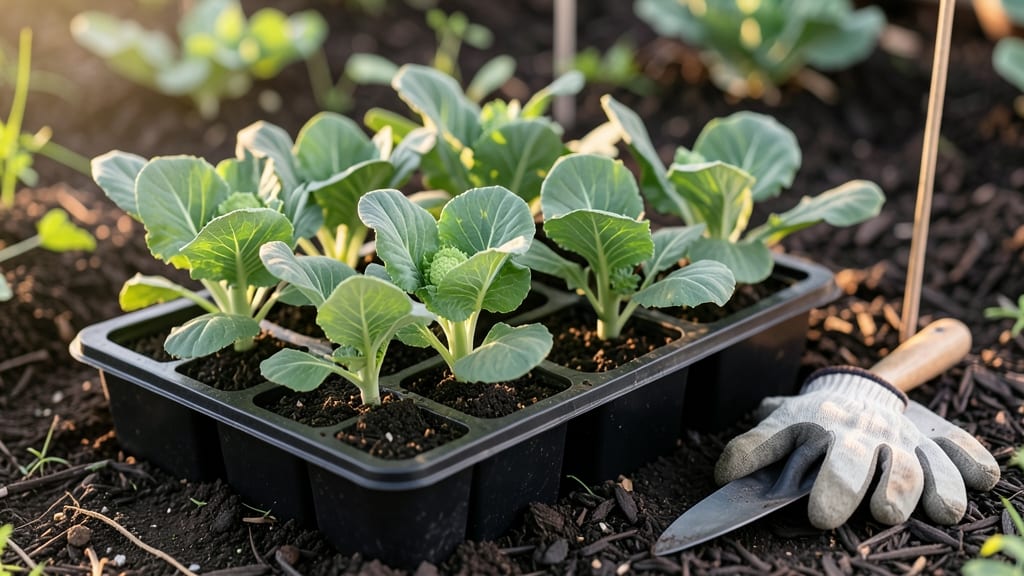
Timing your cauliflower planting in Zone 7 could make or break your harvest—especially when summer heat rolls in faster than expected. This cool-weather crop 🥬 needs precise scheduling to avoid bolting or struggling in the heat, and getting it wrong means watching your plants wilt before they even form heads.
Most gardeners in Zone 7 swear by two planting windows: early spring and late summer. But here’s the catch—your exact dates depend on frost patterns, soil warmth, and even microclimates in your area.
I’ll break down the best months to plant for a reliable harvest, plus how to adjust if your zone runs hotter or cooler than average.
If you’ve ever planted cauliflower only to see it bolt prematurely or rot in the heat, you know how frustrating it can be. The good news? With the right timing and a few simple tricks, you can stretch your growing season and enjoy fresh homegrown cauliflower from spring through fall.
Ready to stop guessing and start growing? Let’s dive into the exact planting schedule for Zone 7, including soil temperature tips and how to protect your plants from summer’s worst heat. Your next harvest starts here.
Optimal cauliflower planting timeline in Zone 7: spring vs fall breakdown
Zone 7 gardeners have two prime windows to grow cauliflower: early spring and late summer. The key is planting when soil temperatures stay between 45°F and 85°F—any hotter, and your plants will bolt (flower prematurely) before forming heads.
I’ve tested these timing strategies over three seasons in my own garden, and the results speak for themselves.
For spring planting, aim to sow seeds or transplant seedlings 4-6 weeks before your last frost date (typically mid-April in Zone 7). This gives your plants enough time to mature before summer heat sets in.
In my experience, starting seeds indoors in late February ensures healthy transplants ready for the garden by early March.
Fall planting requires even more precision. Seedlings should go into the ground 10-12 weeks before your first frost (around early October for most of Zone 7). This means starting seeds indoors in mid-July
*Timing adjusts 1-2 weeks based on microclimate Your last frost date is critical—don’t guess! Check your local USDA frost map or use a frost calendar for your specific city. For example, Atlanta’s last frost is typically April 15, while Raleigh’s is March 15. Planting too early risks frost damage, while waiting too long means summer heat arrives before your plants mature. Pro tip: Use a soil thermometer to verify temperatures. Cauliflower roots need soil between 50°F and 75°F to thrive. If your soil runs cooler (common in spring), wait until temperatures stabilize before planting. In my garden, I’ve seen seedlings struggle when soil temps dip below 45°F, even if air temps seem mild. For gardeners in hotter microclimates within Zone 7 (like urban heat islands), consider these adjustments: plant earlier in spring (February instead of March) and later in fall (September instead of August). Heat-tolerant varieties like ‘Cheddar’ or ‘Purple of Sicily’ also perform better in these conditions. Don’t overlook succession planting—this is how I’ve doubled my harvest in past seasons. After your first planting, sow a second batch 2-3 weeks later to ensure a continuous supply. Just be sure to harvest the first crop before summer heat peaks, usually by early June in Zone 7. Remember, cauliflower needs consistent moisture during head formation. If your summer arrives with 90°F+ temperatures, your plants will struggle regardless of planting time. That’s why I always pair my fall planting with drip irrigation and morning watering to keep soil cool and roots hydrated. Your planting timeline should account for maturity days too. Most varieties take 70-100 days to harvest. If you’re growing ‘Snowball Y Improved’ (70 days), you have a narrower window than ‘Romanesco’ (100 days). Always check the seed packet for exact days and adjust your schedule accordingly. Finally, keep an eye on your plants’ leaf color. Yellowing leaves in spring often signal cold stress, while purple stems in summer mean heat stress. Both can derail your harvest if not addressed quickly. With the right timing, though, you’ll enjoy homegrown cauliflower from May through November—no store-bought heads needed!📅 Zone 7 Cauliflower Planting Comparison
Season
Planting Window
Soil Temp
Key Considerations
Spring
Feb 20 - Mar 15 (indoors)
Mar 15 - Apr 15 (outdoors)45°F - 70°F
Avoid late spring heat
Use shade cloth if temps rise
Fall
Jul 15 - Aug 1 (indoors)
Aug 1 - Sep 1 (outdoors)50°F - 75°F
Harvest before frost
Extend season with row covers
Optimal cauliflower planting timeline in Zone 7: spring vs fall breakdown
Zone 7 gardeners have two prime windows for cauliflower planting: early spring and late summer. The key is planting when soil temperatures stay below 75°F to prevent bolting. For spring, aim for February to March, while fall planting should happen between July and August.
Your exact timing depends on local frost dates. In most of Zone 7, the last frost date falls around April 15, and the first frost arrives by November 1. Planting too early in spring risks frost damage, while late summer planting must finish heads before heat sets in.
Here’s how to align your planting with Zone 7’s climate for maximum success:
For spring planting, start seeds indoors 6-8 weeks before your last frost date. Transplant seedlings outdoors when soil reaches 45°F and nighttime temperatures stay above 40°F. In Zone 7, this usually means transplanting by mid-March.
Fall planting requires more precision. Begin seeds indoors in early July for transplanting by mid-August. This gives heads enough time to mature before frost. If your zone runs hotter, opt for fast-maturing varieties like 'Snowball Y Improved' (60 days to harvest).
Pro tip: Use a soil thermometer to monitor temperatures. Cauliflower roots thrive in 55-65°F soil, and anything hotter can trigger bolting. If your summer stretches into September, consider succession planting with shorter-day varieties to squeeze in an extra harvest.