
Plants
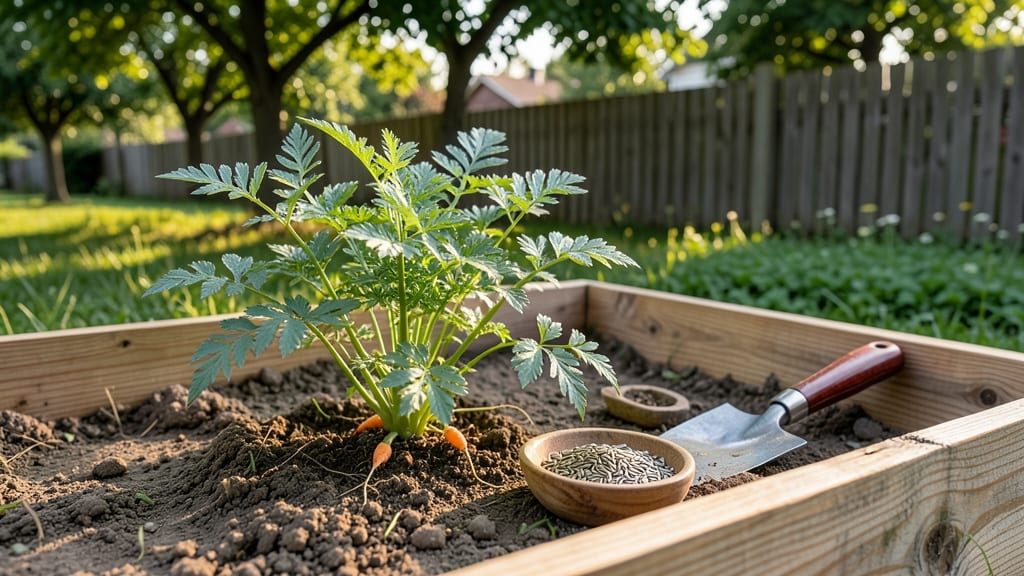
Planting carrots in spring can make or break your harvest—especially when you're counting on those crisp, sweet roots for summer meals. The right timing isn’t just about waiting for spring; it’s about understanding when your soil is ready to work with you.
Here’s the secret: Carrots 🥕 thrive when soil temperatures hit 45-55°F, not when the calendar says "spring." Plant too early, and your seeds will sit in cold earth, waiting for warmth.
Too late, and you risk bolting or stunted growth. I’ll show you exactly how to time it right for your climate zone.
Whether you’re in a cooler region like Zone 6a or a warmer one, knowing when to plant means faster germination and a bountiful harvest in as little as 60 days. Let’s break down the best strategies for your garden—no guesswork, just results.
Ready to skip the trial-and-error? I’ll walk you through soil prep, planting windows, and pro tips to get your carrots sprouting like clockwork. Your taste buds will thank you!
Ideal soil temperature for planting carrots in spring
Carrots are fussy about soil temperature—planting too early when the ground is cold can leave your seeds sitting in the dirt for weeks without sprouting. The sweet spot for carrot germination is between 45°F and 85°F, but the optimal range for consistent results is 60°F to 70°F.
Below 50°F, germination slows dramatically, and above 85°F, seeds may rot before they sprout.
Most gardeners rely on calendar dates (like "plant after the last frost"), but soil temperature is a far better predictor of success.
For example, in Zone 5, the last frost might pass in early May, but the soil may still be too cold for carrots until late May or early June. Waiting for the soil to warm up saves seeds and energy.
To check your soil temperature, use a soil thermometer (available for $10-$15 at garden centers). Insert it 2-3 inches deep—the depth where carrot seeds are planted—and read the temperature in the morning (soil temps fluctuate less then). If it’s below 50°F, hold off on planting.
In warmer climates (Zones 8-10), carrots can be planted as early as February, but in cooler zones (Zones 3-6), you may need to wait until late April or May.
The key is balancing soil warmth with frost risk—carrots can tolerate light frosts but won’t germinate in cold soil.
🌱 Pro Tip: If your soil is too cold for planting, try seed soaking or using a seedling heat mat (a $20 investment) to give seeds a warm start. This can shave 3-5 days off germination time in marginal conditions.
| Soil Temp Range | Germination Speed | Best For | Climate Zones |
|---|---|---|---|
| Below 50°F | Very Slow (3+ weeks) | Avoid Planting | Zones 3-6 (early spring) |
| 50°F–59°F | Slow (2–3 weeks) | Use heat mats | Zones 4-7 (late spring) |
| 60°F–70°F | Fast (7–14 days) | Ideal Planting | Zones 5-9 (spring/fall) |
| 70°F–85°F | Very Fast (5–10 days) | Succession Planting | Zones 7-10 (summer) |
| Above 85°F | Risk of Rot | Avoid Planting | Zones 9-10 (peak summer) |
If you’re in a transition zone (like Zone 6 or 7), aim to plant carrots when the 5-day forecast shows consistent daytime highs above 60°F. This ensures the soil stays warm enough for germination while minimizing the risk of a late frost.
For example, in Atlanta (Zone 7b), I’ve had success planting in mid-March if the soil hits 62°F, but in Chicago (Zone 5b), I wait until late April.
Another trick is to use black plastic mulch or straw mulch to warm the soil faster. Lay down a 1-inch layer of straw over the planting area a few days before sowing—this can raise soil temps by 5-10°F and speed up germination.
Just remove the mulch once seeds sprout to avoid voles or weeds.
For container gardening, soil warms up faster in pots, so you can plant 2-3 weeks earlier than in-ground. Just ensure your containers have drainage holes and use a lightweight potting mix to prevent waterlogging, which carrots hate.
💧 Remember: Even if the soil is warm, consistent moisture is critical. Carrot seeds need steady water to germinate—let the top 1 inch of soil dry out between waterings once they sprout, but keep it moist during germination.
Ideal soil temperature for planting carrots in spring
Carrots 🥕 are finicky about soil temperature—plant them too early, and your seeds will languish in cold earth. The sweet spot for germination is 45-55°F, but some varieties tolerate up to 85°F once sprouted. This range ensures steady growth without bolting (going to seed prematurely) or stunted roots.
Why does temperature matter so much? Carrots need warm soil to activate enzymes that break down seed coats. Below 40°F, germination slows to a crawl, and seeds may rot.
Above 85°F, they bolt, producing bitter, inedible roots. I’ve learned this the hard way—skipping the soil check led to a disappointing harvest last spring!
Here’s how to test your soil temperature accurately: Use a soil thermometer (or a DIY version with a candy thermometer) to check 2 inches deep, where seeds will sit. Morning readings are best—soil cools overnight, giving you a realistic baseline for daytime planting.
Regional variations matter too. In cooler climates (Zones 3-5), aim for 50-60°F soil. Warmer zones (Zones 6-10) can plant when soil hits 60-70°F. Pro tip: Black plastic mulch warms soil faster in cold regions, while shade cloth cools it down in hot climates.
| Factor | Ideal Range | Notes |
|---|---|---|
| Soil Temp for Germination | 45-55°F | Below 40°F = slow germination |
| Soil Temp for Growth | 55-85°F | Above 85°F = bolting risk |
| Testing Depth | 2 inches | Where seeds are planted |
| Best Time to Check | Morning | Soil is coolest, most accurate |
Don’t let calendar dates fool you—soil temperature is the real clock for carrot planting. For example, in Zone 5, March might feel like spring, but soil could still be 35°F. Wait until it hits 45°F before planting, even if that means starting in mid-April.
Once you’ve nailed the temperature, prep your soil with compost and a light fertilizer (5-10-10) to encourage root growth. Loosen the top 6 inches to prevent forking (those ugly split roots).
With the right soil temp and prep, you’ll see sprouts in 10-14 days—no more waiting months for patchy germination!
Remember: Consistency is key. If your soil fluctuates daily, use row covers to stabilize warmth. And if you’re in a hot climate, plant in fall for cooler soil temps—carrots will thank you with sweet, straight roots.