
Plants
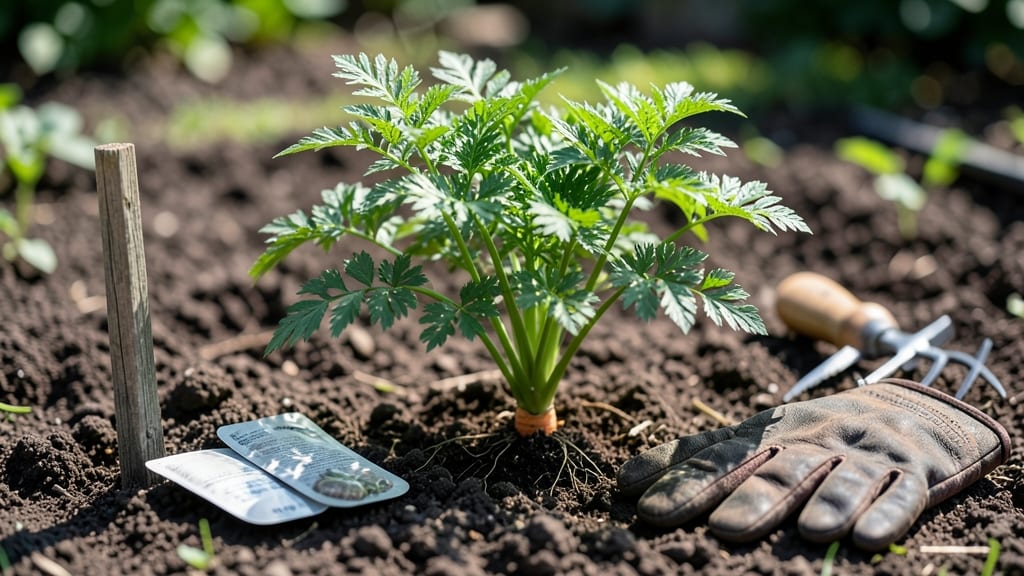
Timing your fall carrot planting could make all the difference between harvesting crisp, sweet 🥕 roots and ending up with bitter, stunted veggies. If you're in Zone 6a like me, you've got a narrow window—just 4-8 weeks before the first frost—to get those seeds in the ground.
The key is understanding your local frost dates and soil conditions, because planting too late means woody roots, while starting too early can lead to bolting before winter.
I've learned the hard way that rushing the process rarely works—especially when you're dealing with a crop as sensitive as carrots. The ideal time to plant is between August and early October, giving them enough time to mature before temperatures drop.
But here's the catch: your exact deadline depends on your region's frost patterns, and even a few days can throw off your harvest timing.
What I love about fall carrots is how they reward patience with sweeter, more flavorful roots than their spring counterparts. With the right variety—like the cold-hardy 'Danvers' or 'Nantes'—you can extend your growing season well into winter.
The secret isn't just about when you plant, though; it's also about preparing your soil and protecting your crop from early frosts.
In this guide, I'll walk you through everything you need to know—from zone-specific deadlines to soil prep and variety selection—to ensure your fall carrot harvest is a success. Let's dive in and make sure your garden delivers those perfect, homegrown 🥕 roots you've been dreaming of.
Fall carrot planting deadlines by USDA hardiness zones
Planting carrots in fall requires precision—miss your zone's last frost date, and you risk bolting or woody roots. The key is planting 4-8 weeks before your first frost, but exact timing varies dramatically across USDA zones 3-10.
For example, gardeners in Zone 3 (like Minnesota) must plant by mid-August, while those in Zone 10 (like Southern California) can still sow through October. Soil temperature also plays a critical role: seeds need 60°F+ to germinate, but roots thrive in 50-65°F soil for sweetness.
Regional microclimates add another layer of complexity. Coastal areas (like Pacific Northwest) often have milder winters, extending planting windows by 2-3 weeks compared to inland zones. Meanwhile, Deep South gardeners in Zone 9 may face humidity challenges, requiring earlier planting to avoid fungal diseases.
Always check your local frost calendar—even a 2-week delay can mean the difference between a bountiful harvest and stunted growth.
🌱 PRO TIP: Use a soil thermometer to confirm temperatures before planting. Carrot seeds won’t germinate below 50°F, and cool soil speeds up the process. Aim for 60-70°F for optimal sprouting.
For Zone 4-6 gardeners, I recommend planting short-day varieties like 'Danvers Half Long'—they mature faster in cooler temps. In Zones 7-10, opt for long-day varieties such as 'Nantes' to prevent bolting.
Always test your soil’s pH (6.0-7.0 ideal) and amend with compost to ensure loose, stone-free beds—carrots hate compacted soil and will fork or split if conditions are wrong.
If you’re in a transition zone (like Zone 6b), err on the side of earlier planting. A 2-week buffer before your average first frost gives roots time to bulk up before winter slows
How to extend your fall carrot growing season for maximum yield
One of the biggest challenges with fall carrot planting is preventing those roots from turning woody or bolting before winter. I've found that the key to extending your growing season lies in a few simple but effective strategies—like using row covers and succession planting.
These methods can add 3-4 weeks to your harvest window, giving you more time to enjoy fresh, crisp carrots.
First, let's talk about row covers. These lightweight fabrics create a microclimate that protects your carrots from early frosts while still allowing sunlight and water to penetrate.
I swear by them in my Zone 6a garden—they've helped me push my harvest into early December when I might've otherwise lost everything to a hard freeze.
Another game-changer is succession planting. Instead of sowing all your seeds at once, I plant a new batch every 2-3 weeks starting in late August. This staggered approach ensures a continuous harvest and reduces the risk of bolting from sudden temperature drops.
The last batch goes in about 4-6 weeks before my first frost, giving them just enough time to mature.
Don't overlook soil preparation either. Amending your beds with compost and sand creates loose, well-draining soil that prevents carrots from splitting or developing forked roots—a common problem in dense soil. I mix in about 2 inches of compost and a handful of sand per square foot before planting.
For regions with mild winters, consider using a cold frame. These simple structures trap heat from the sun and can extend your growing season by 4-8 weeks. I've used them successfully with my 'Nantes' variety, which thrives in cooler temperatures and stores well after harvest.
Finally, watch your watering schedule closely as temperatures drop. Carrots need consistent moisture, but overwatering can lead to rot. I water deeply in the morning every 3-5 days, reducing frequency as fall progresses.
A good rule of thumb is to check soil moisture at the 2-inch depth—if it's dry, it's time to water.
By combining these strategies, you can transform your fall carrot harvest from a gamble into a reliable source of fresh, homegrown produce. The payoff? Crisp, sweet roots that taste better than anything you'll find in the store—even when winter's just around the corner. 🥕
5 Proven Ways to Extend Your Fall Carrot Season
- 🌡️ Use row covers to protect from light frosts (28-32°F tolerance).
- 📅 Succession plant every 2-3 weeks for staggered harvests.
- 🌱 Amend soil with compost + sand for loose, fork-free roots.
- ☀️ Cold frames add 4-8 weeks in mild climates.
- 💧 Water deeply every 3-5 days—reduce as temps drop.
"The right timing and protection can turn fall into your carrot harvest goldmine."