
Plants
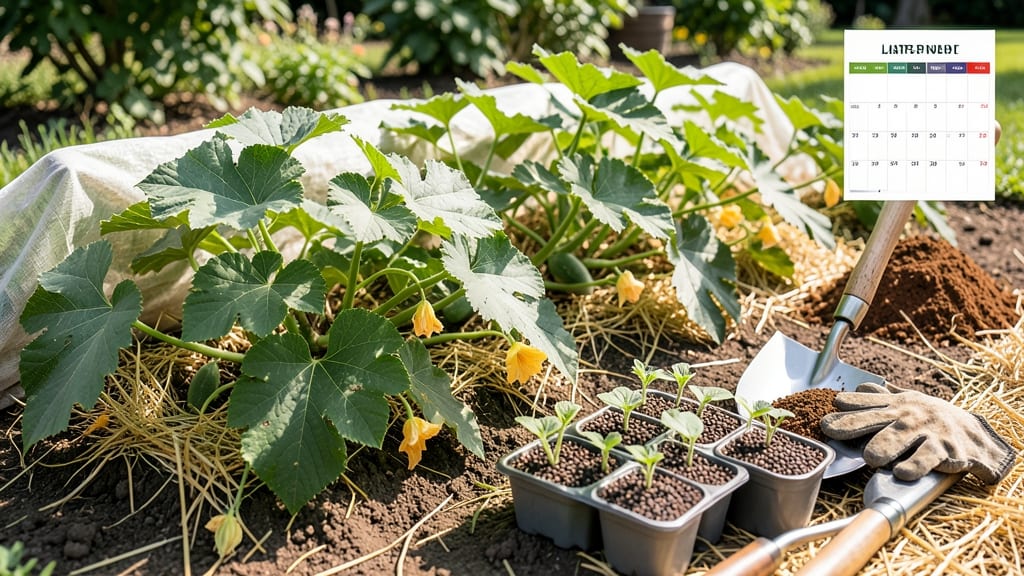
Timing your cantaloupe planting in Zone 6 could mean the difference between a bountiful harvest and a sad, wilted vine. Unlike heat-loving plants that just "might" survive, cantaloupes (🍈) demand precision—especially when your growing season is squeezed between unpredictable springs and early autumn frosts.
Most gardeners in 6a-6b rush to plant as soon as the calendar says "spring," but that’s a recipe for disappointment. The real secret lies in soil temperature: seeds won’t even sprout until the ground hits 70°F, and that usually means waiting until mid-May in most of Zone 6.
I’ll show you how to track this critical threshold and adjust your planting window to avoid the common mistakes that leave vines struggling.
What if you could shave 2-3 weeks off your wait time? Black plastic mulch and other tricks can jumpstart your cantaloupe’s growth, but timing is everything.
Whether you’re starting seeds indoors or sowing directly, I’ll break down the exact steps to maximize your fast germination and give your plants the strong start they need to beat Zone 6’s short summer.
Ready to turn your cantaloupe dreams into reality? Let’s dive into the soil-temperature hacks and planting schedules that’ll have you enjoying sweet, ripe fruit by July—without the guesswork.
Optimal planting timeline for cantaloupe in Zone 6 based on soil temperature
In Zone 6, cantaloupe seeds need soil temperatures of 60-65°F to germinate, but plants thrive best when soil stays above 70°F. Planting too early risks frost damage or slow growth, while waiting too long may shorten your harvest window.
The ideal timeframe is late April to early May, but this varies based on your last frost date and microclimate.
Northern areas of Zone 6 (like 6a) often experience frost until mid-May, while southern regions (like 6b) may be frost-free by early April. Always check your local USDA frost maps and plan to plant cantaloupe 2-3 weeks after the average last frost date.
Cantaloupes are warm-season crops that need 120-140 frost-free days to mature. In Zone 6, this means starting seeds indoors 3-4 weeks before the last frost date or buying transplants ready for late May planting.
Varieties like 'Athena' or 'Hale's Best' mature faster (70-80 days) and are better suited for shorter growing seasons.
🌱
| Stage | Action | Soil Temp | Zone 6 Timeline |
|---|---|---|---|
| Indoor Start | Sow seeds 3-4 weeks before last frost | 60-65°F | March 15-April 1 |
| Outdoor Transplant | Move hardened-off seedlings after last frost | 70°F+ | Late April-early May |
| Direct Sow | Plant seeds after soil warms to 70°F | 70°F+ | Mid-May |
| Harvest Window | Pick fruit when vine turns brown | N/A | July-early September |
If you live in a cooler microclimate within Zone 6, consider using black plastic mulch or row covers to warm the soil faster. These tricks can extend your planting window by 1-2 weeks and help cantaloupes establish before summer heat arrives.
Always monitor soil temperature with a soil thermometer to avoid planting too soon.
Early planting (before May 1) risks cold snaps that stunt growth, while late planting (after May 15) may delay harvest until late summer, when first frosts can arrive as early as mid-October.
Aim for a mid-May planting date as a safe middle ground for most of Zone 6.
For gardeners in Zone 6a, where frosts linger longer, opt for fast-maturing varieties like 'Sugar Bush' (70 days) or 'Ambrosia' (80 days). These can produce fruit even with a shorter growing season.
In Zone 6b, you have more flexibility to try heirloom varieties like 'Minnesota Midget' for a sweeter, smaller cantaloupe.
Remember, cantaloupes need full sun (8+ hours daily) and well-draining soil to thrive. Amend your garden beds with compost before planting to improve soil structure and fertility. This ensures your cantaloupes get a strong start, even if your Zone 6 summer feels short.
🌿
Optimal planting timeline for cantaloupe in Zone 6 based on soil temperature
In Zone 6, your cantaloupe’s success hinges on two critical factors: soil temperature and frost-free dates. Most gardeners focus on the calendar, but cantaloupe seeds won’t germinate until the soil hits 60-65°F, and healthy growth requires 70°F+.
This usually means waiting until mid-May in most of Zone 6—even if your last frost passed earlier.
Planting too soon risks rotten seeds or weak vines that struggle to recover. I’ve learned the hard way that rushing leads to stunted plants, while waiting for the right conditions guarantees strong, productive vines.
Let’s break down the exact timeline and how to adjust for your specific Zone 6 sub-climate.
🌱 Cantaloupe Planting Timeline for Zone 6
| Stage | Action | Soil Temp | Notes |
|---|---|---|---|
| Prep Soil | Add compost, ensure pH 6.0-6.8 | N/A | Do this in early April |
| Direct Sow | Plant seeds 1" deep, 3-4" apart | 60-65°F | Wait for mid-May in most of Zone 6 |
| Transplant | Move seedlings 18" apart, hills 3-4 ft apart | 70°F+ | Best after last frost (late May) |
| Harvest | Pick when vine turns brown, fruit slips | N/A | Expect July-August harvest |
Northern Zone 6 (6a) gardeners should aim for late May planting due to cooler soils, while southern Zone 6 (6b) can start slightly earlier. Use a soil thermometer to confirm temperatures—don’t rely on air temps alone. I always test my soil for 3 consecutive days above 60°F before planting.
If your spring is unusually cold, consider staggered planting in early June for a late-summer harvest. This works surprisingly well in Zone 6’s shorter growing season. The key is balancing risk: planting too early risks frost damage, while waiting too long may cut your harvest short.
Pro tip: Mark your last frost date and count back 100 days to estimate your planting window. Cantaloupes need a full growing season, so don’t push it—especially in Zone 6’s unpredictable climate. 🌱