
Plants
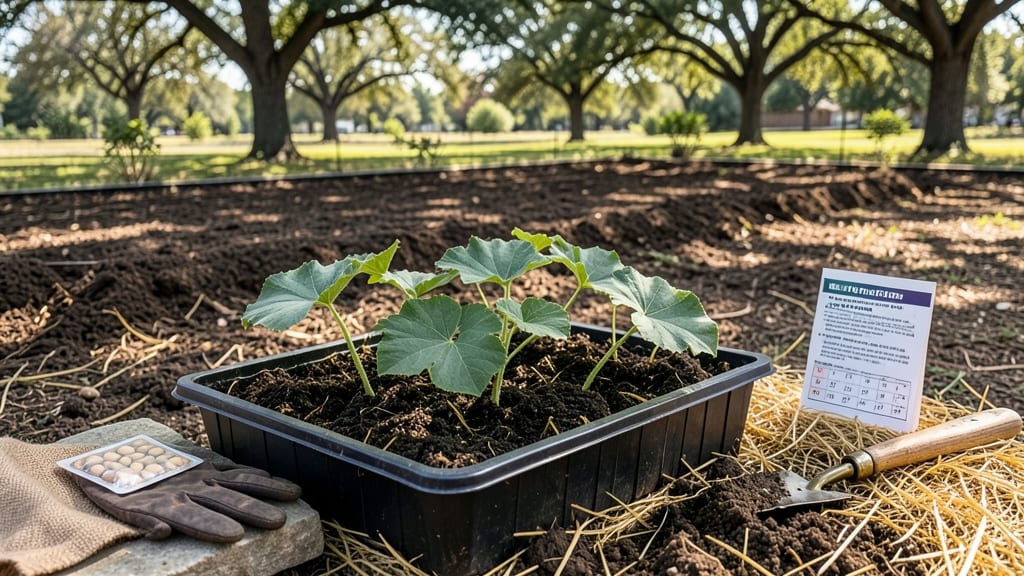
Planting cantaloupe seeds in Texas at the wrong time means either frost-killed seedlings or wilting vines before they bear fruit. The difference between a bountiful harvest and a failed crop often comes down to knowing the exact window—especially when Texas heat can turn against you faster than you think.
For Texas gardeners in zones 8a-11, timing is everything. Cantaloupes like 🍈 thrive in warm soil, so waiting until after the last frost (typically mid-March to early May) is critical.
Plant too early, and your seedlings will struggle; too late, and the summer heat can overwhelm young plants before they establish roots.
I’ll break down the perfect planting schedule for your region—whether you’re in frost-prone Central Texas (8b) or the warmer South Texas (9a-10a). You’ll also discover which cantaloupe varieties handle Texas heat best and how to prep your soil for maximum success.
Ready to grow juicy, vine-ripened melons? Let’s get your seeds in the ground at the right moment—before the Texas sun or frost ruins your chances.
Texas cantaloupe planting deadlines by region (exact dates for success)
Texas' diverse climate zones mean your cantaloupe planting window varies dramatically from the Panhandle to South Texas. In North Texas (USDA Zone 8a), wait until April 15—after the average last frost date of March 15—to avoid frost damage.
Meanwhile, Central Texas (Zone 8b) can start as early as March 1, while South Texas (Zone 9a-10a) gardeners enjoy a longer window from February 15 to April 15.
Cantaloupes are heat-loving plants that need soil temperatures above 70°F (21°C). Use a soil thermometer to confirm—planting too early in cool soil leads to poor germination and stunted growth.
In West Texas (Zone 8a-9a), where soil warms faster, you can plant 1-2 weeks earlier than East Texas regions with heavier clay soils.
For indoor starts, begin seeds 30 days before your region's last frost date. Use grow lights or a sunny windowsill to harden off seedlings for 7-10 days before transplanting. This head start is critical in North Texas, where sudden cold snaps can occur even in April.
Here’s your region-specific planting timeline to maximize cantaloupe success:
| Region | Last Frost Date | Optimal Planting Window | Soil Temp Requirement | Key Tip |
|---|---|---|---|---|
| North Texas (Zone 8a) | March 15 | April 15–May 1 | 70°F+ | Use black plastic mulch to warm soil faster. |
| Central Texas (Zone 8b) | February 28 | March 1–April 15 | 70°F+ | Plant near bee-friendly flowers for pollination. |
| South Texas (Zone 9a-10a) | January 1 | February 15–April 15 | 70°F+ | Extend season with shade cloth in peak summer. |
| West Texas (Zone 8a-9a) | March 1 | March 15–April 30 | 75°F+ (drier climate) | Water deeply every 2-3 days to prevent stress. |
Avoid planting cantaloupes in late May or June—Texas summers can hit 100°F+, causing heat stress in young seedlings. Instead, opt for succession planting: sow a second batch in late June for a fall harvest before the first frost.
This works best in South and Central Texas, where frost arrives later.
Pro tip: Direct sow seeds in Texas—cantaloupes hate transplant shock. Plant seeds 1 inch deep and 2 feet apart in mounds of soil to improve drainage. In heavy clay soils (common in East Texas), amend beds with compost and sand to prevent waterlogging.
Monitor your cantaloupe vines for powdery mildew in humid Texas summers. Space plants 3-4 feet apart for airflow and apply neem oil preventatively. With the right timing, you’ll enjoy sweet, ripe cantaloupes from July through September—just in time for summer picnics!
🌱
Texas cantaloupe planting deadlines by region (exact dates for success)
Texas spans three distinct planting zones, each with unique frost dates and heat thresholds. For North Texas (8a), your last frost typically hits around February 15, while Central Texas (8b) sees frost by March 1.
South Texas (9a-10a) rarely faces frost, giving you a longer window—but don’t rush.
Cantaloupes need soil temps above 70°F (21°C) to germinate. In North Texas, aim for mid-April planting; Central Texas can start late March. South Texas gardeners have the luxury of planting as early as February 15, but wait until soil warms to avoid stunted growth.
Here’s your region-specific planting timeline, including transplant prep for indoor starts:
| Region | Last Frost Date | Optimal Planting Window | Transplant Prep (Indoor Starts) |
|---|---|---|---|
| North Texas (8a) | February 15 | Mid-April to early May | Start seeds indoors 30 days before last frost (Jan 15) |
| Central Texas (8b) | March 1 | Late March to early April | Start seeds indoors 30 days before last frost (Feb 1) |
| South Texas (9a-10a) | January 1 (rare) | February 15 to March 15 | Direct sow after soil reaches 70°F (no transplant needed) |
📅 Pro Tip: Use a soil thermometer to confirm temps—cantaloupes won’t germinate below 70°F!
For direct sowing, wait until nighttime temps stay above 55°F (13°C). In Central Texas, this usually aligns with late April, while North Texas may need to wait until early May. South Texas gardeners can plant as early as February 15 if soil is warm enough.
If you’re transplanting seedlings, harden them off for 7-10 days before moving them outdoors. Use black plastic mulch to warm soil faster—this can shave 1-2 weeks off your planting timeline in cooler zones.
Remember: Late spring plantings (after May 15) risk bolting (premature flowering) due to Texas heat. Stick to these deadlines, and you’ll avoid the double whammy of heat stress and poor fruit set.