
Plants
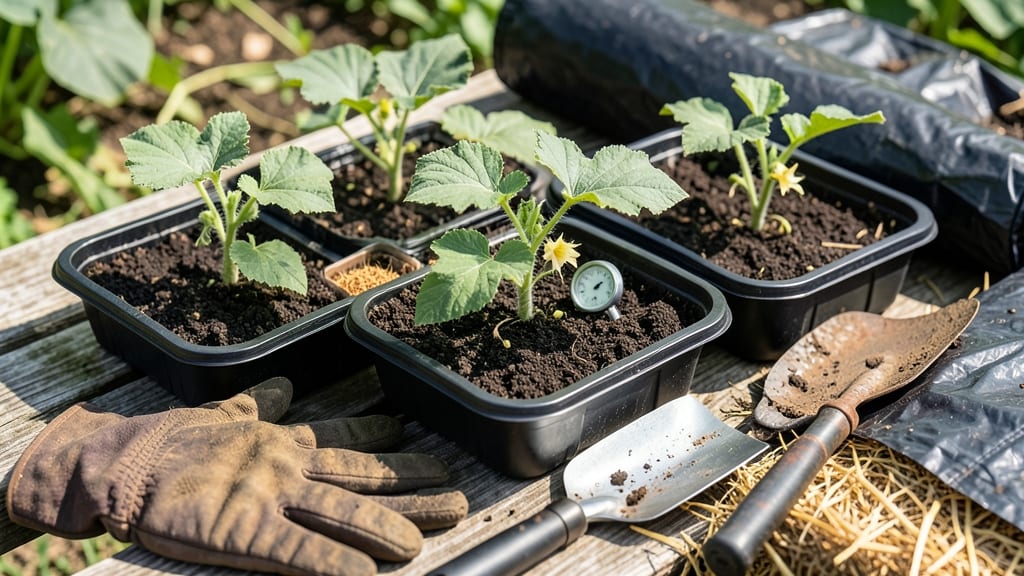
If you’ve ever dreamed of planting cantaloupe in Georgia and plucking sweet, sun-ripened 🍈 cantaloupes straight from your garden, timing is the secret ingredient—and getting it wrong could mean bitter disappointment.
Planting cantaloupe in Georgia isn’t just about avoiding frost; it’s about syncing your seeds with the 6-week heat window that transforms vines into juicy rewards.
Most gardeners in USDA zones 7b-8a know the basics—wait until after the last frost—but the real magic happens when soil hits 70°F and stays there. That’s your cue to start seeds indoors or sow directly, with mid-April to early June marking the sweet spot for most of the state.
Skip this window, and you’ll either face stunted growth or a harvest that never arrives.
Here’s the game-changer: cantaloupes thrive in Georgia’s long summers, but they need a head start. Whether you’re a first-timer or a seasoned gardener, I’ll break down the exact timeline, soil prep, and care tips to turn your patch of dirt into a cantaloupe goldmine.
Let’s get those seeds in the ground—and those vines climbing—before the heat peaks.
Ready to skip the guesswork? You’ll learn how to choose the right varieties, avoid common pitfalls, and keep your cantaloupes growing strong from July through September. The best part? No more store-bought melons when your own 🍈 are sweeter than anything you’ve ever tasted.
Georgia’s ideal cantaloupe planting timeline: exact weeks before last frost
Cantaloupe thrives in Georgia’s heat, but timing your planting window is critical. The last frost date in Georgia typically falls around March 15 in most regions, but soil temperature matters more than calendar dates.
Cantaloupe seeds need soil temps of 70°F or higher to germinate—soil that’s too cold means wasted seeds and delayed harvests.
For North Georgia (USDA zones 7b), aim to plant cantaloupe seeds 2-3 weeks after your last frost, usually by mid-April. In South Georgia (zones 8a), you can start as early as late March if your soil warms quickly.
The key is to give your vines 6 weeks of warm weather before peak summer heat arrives, which typically happens by late May.
Here’s the 6-week countdown most Georgia gardeners follow: Start seeds indoors 3-4 weeks before your target outdoor date, or sow directly into the garden once soil hits 70°F.
If you’re using transplants, set them out 2 weeks after last frost—but only if nighttime temps stay above 55°F.
| Stage | Action | Georgia Timing |
|---|---|---|
| Soil Prep | Test pH (6.0–6.8), add compost | February–March |
| Indoor Seed Start | Sow seeds ½" deep, keep warm | Late March–Early April |
| Direct Sow Outdoors | Plant seeds 1" deep, 3' apart | Mid-April–Late May |
| Transplant Outdoors | Set out hardened seedlings | Early April–Early June |
| Peak Heat Window | Vines establish before 90°F+ temps | June–July |
If you’re in North Georgia, like Atlanta or the mountains, stick to the mid-April to early May window.
For South Georgia, including Savannah or Macon, you can push planting to late April or even early June—but avoid sowing after June 1, as vines may struggle to mature before frost.
Pro tip: Use a soil thermometer to confirm temps. If your soil is still below 70°F in April, wait—cantaloupe seeds won’t germinate in cooler soil. Mulch with black plastic or straw to warm the soil faster if needed.
Once planted, cantaloupe vines need 6-8 hours of sunlight daily and consistent moisture. Water deeply 2-3 times per week, aiming for 1-2 inches of water per week. Avoid wetting the leaves to prevent powdery mildew, a common issue in Georgia’s humid summers.
By following this 6-week timeline, you’ll ensure your cantaloupe vines are established and fruiting when Georgia’s summer heat peaks—guaranteeing sweeter, riper melons by July or August. The key is patience: rushing the process often leads to bitter fruit or failed harvests.
🌱
Georgia’s ideal cantaloupe planting timeline: exact weeks before last frost
Georgia’s USDA zones 7b-8a offer the perfect climate for cantaloupe, but the 6-week window before peak summer heat is your golden opportunity. Planting too early risks frost damage, while waiting too long can leave your vines struggling in the 90°F+ heat.
Most gardeners in North Georgia should aim for mid-April to early May, while South Georgia can extend planting until late May.
Your first step is checking soil temperature. Cantaloupes won’t germinate until the soil hits 70°F—use a soil thermometer to confirm. In most of Georgia, this aligns with April 15 to May 1, but cooler mountain regions may need to wait until mid-May.
Planting before this window risks poor germination, while delaying past it can stunt growth.
Here’s the key: count back 6 weeks from your region’s last frost date. For most of Georgia, this means starting seeds indoors by late March or sowing directly after April 15.
Transplants should be hardened off and moved outdoors when soil is warm, typically mid-April to early May. This timing ensures vines establish roots before the heat peaks.
🌱 Georgia Cantaloupe Planting Timeline
| Stage | Action | Notes |
|---|---|---|
| Late March | Start seeds indoors | Use seed trays with heat mat |
| Mid-April | Hardening off transplants | Acclimate for 7-10 days |
| April 15-May 1 | Direct sow or transplant | Soil temp must be 70°F+ |
| May-June | Thin seedlings | Leave 24-36 inches apart |
| July-September | Harvest | Fruit slips easily from vine |
For North Georgia gardeners in USDA zone 7b, focus on mid-April planting to avoid late frosts, while South Georgia (zone 8a) can extend planting until early June.
The key is ensuring vines have 60-75 days of warm weather to mature. If you’re in a cooler microclimate, opt for earlier-maturing varieties like ‘Ambrosia’ to guarantee a harvest.
Pro tip: Use black plastic mulch to warm soil faster and retain moisture. This trick is especially useful in Georgia’s sandy soils, where moisture drains quickly. Pair it with drip irrigation to keep roots consistently hydrated without overwatering.
With the right timing and care, your cantaloupe vines will thrive and produce sweet, juicy fruit by mid-summer.
Don’t wait until the last minute—mark your calendar for April 15 as your target start date. By following this timeline, you’ll avoid the most common mistakes and set your cantaloupe plants up for success from day one.
The reward? A bountiful harvest of homegrown 🍈 melons that taste better than anything you’ve ever bought at the store.