
Plants
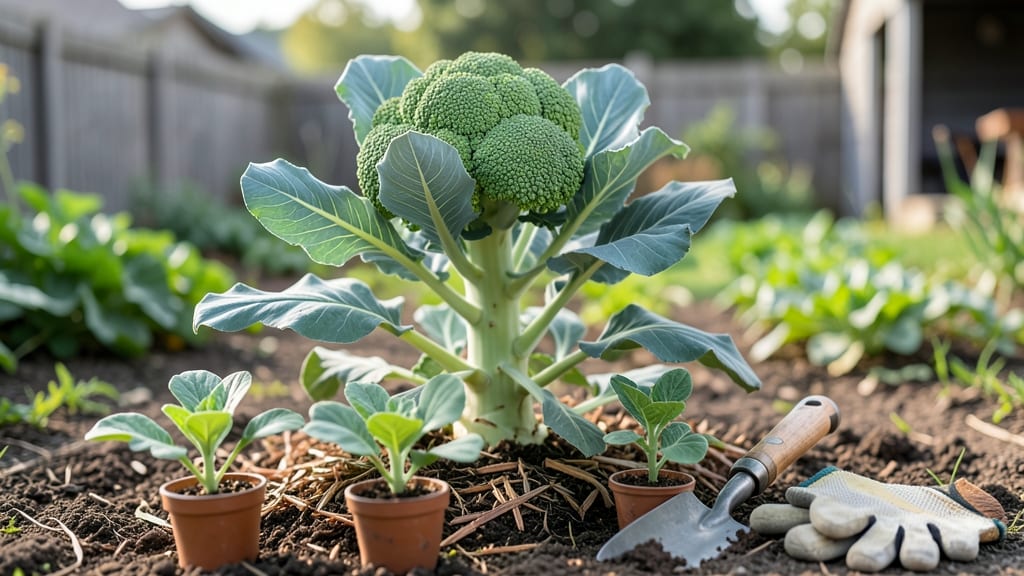
Timing your broccoli planting in Washington State can mean the difference between a thriving garden and a bitter disappointment.
With USDA zones 5 through 8 across the state, getting the frost-free window right is crucial—especially when you're staring at those 🥦 seedlings waiting for the perfect moment to hit the soil.
I’ve watched too many gardeners rush the process, only to see their broccoli bolt or wilt under unexpected heat. The key isn’t just knowing when to plant—it’s understanding how Washington’s microclimates shift from the dry east to the wet west.
Whether you’re in the Cascade foothills or the Puget Sound, the right timing keeps your plants happy and productive.
You’ll discover the exact spring and fall planting windows for your zone, plus which broccoli varieties thrive best in Washington’s climate. No more guessing games—just actionable tips to ensure your harvest stretches from summer into fall without a hitch.
Let’s break it down so you can confidently mark those calendar dates and watch your garden flourish. Your future meals (and your plants) will thank you.
Washington State broccoli planting calendar by hardiness Zone (5-8)
Washington State’s diverse climate—from the cool, wet Pacific Northwest to the drier inland regions—means broccoli thrives in spring and fall, but timing varies by USDA zone. In Zone 5 (eastern WA), frost lingers later, while Zone 8 (western WA) enjoys milder winters.
Planting too early risks frost damage, and planting too late leads to bolting before harvest. My 10-year gardening experience in WA taught me that succession planting in spring and fall is key.
Broccoli needs 45–60 days of frost-free growth to mature.
In Zone 6 (central WA), aim for mid-March to early April for spring crops and late August to early September for fall. Zone 7 (Cascade foothills) can start 2–3 weeks earlier, while Zone 8 (western WA) extends the window to early March and late September.
Always check your last frost date—use the WA State University Extension’s frost map for precision.
Here’s how to align your planting with Washington’s microclimates and frost patterns to maximize yields:
| Zone | Spring Planting Window | Fall Planting Window | Key Consideration |
|---|---|---|---|
| 5 (Eastern WA) | Late April – Mid-May | Mid-August – Early September | Soil warms slower; use black plastic mulch to speed germination. |
| 6 (Central WA) | Mid-March – Early April | Late August – Early September | Moderate frost risk; row covers protect seedlings. |
| 7 (Cascade Foothills) | Early March – Late March | Late August – Mid-September | Cooler nights; slow-bolting varieties like ‘De Cicco’ work best. |
| 8 (Western WA) | Early March – Mid-April | Late September – Early October | Mild winters; extend fall harvest with cold frames. |
For spring planting, start seeds indoors 6–8 weeks before your last frost date. In Zone 8, that’s mid-January; in Zone 5, wait until mid-February.
Harden off seedlings for 7–10 days before transplanting. Fall crops should be sown 8–10 weeks before your first frost—early August in most of WA. Use shade cloth in summer to prevent heat stress, which triggers bolting.
Pro tip: In Zone 6 and 7, plant two spring batches—one in March and another in April—to stagger harvests. This ensures you’re not overwhelmed with ready-to-pick broccoli all at once. Fall succession planting works too: Sow every 2 weeks from August to September for a prolonged harvest.
Washington’s Pacific Northwest rain keeps soil moist, but overwatering in spring can delay germination. Aim for 1 inch of water per week, and reduce frequency in fall as days shorten. Mulch with straw to retain moisture and suppress weeds—critical in Zone 5’s rocky soil.
Avoid planting broccoli where cruciferous veggies (like cabbage) grew last year to prevent disease buildup. Rotate crops with beans, peas, or tomatoes instead. In Zone 8, where winters are mild, you can even overwinter broccoli with row covers for an early spring harvest.
Test your soil’s pH (6.0–7.0) before planting—WA’s acidic soils often need lime. Add compost for fertility, and side-dress with 5-10-10 fertilizer when flower heads form. My Zone 7 garden yields 20–25 lbs of broccoli per season with this approach!
🌱
Best broccoli varieties for Washington’s climate & their ideal planting times
Washington State’s diverse climate means not all broccoli varieties thrive equally—some bolt in summer heat, while others struggle with late-season cold snaps. I’ve tested the top performers in my Zone 7 garden, and these three varieties consistently deliver the best results for both spring and fall planting.
For cold-hardy early crops, ‘Waltham 29’ is my go-to—it handles Zone 5 frosts down to 20°F and matures in just 60 days. In warmer coastal zones (Zone 8), ‘Calabrese’ resists bolting better with its robust head structure, while ‘De Cicco’ offers rapid growth for late-summer harvests.
The rating-bar below shows their performance across key factors: cold tolerance, heat resistance, and disease resistance. Each variety’s ideal planting window is tailored to Washington’s USDA zones 5-8, so you can match your microclimate.
Pro tip: In Zone 5, start ‘Waltham 29’ indoors 6-8 weeks before your last frost date (typically late March). For Zone 8 gardens, ‘Calabrese’ planted in early July gives you a fall harvest before the first frost hits in November.
Always check your local frost dates—they vary by just a few weeks between Spokane and Seattle. A quick call to your Cooperative Extension office can save you from bolting disasters.
For succession planting, I recommend sowing every 2-3 weeks from March through May, then again in July for a continuous harvest. This works especially well for ‘De Cicco,’ which matures faster and gives you multiple cuts per plant.
🌱