
Plants
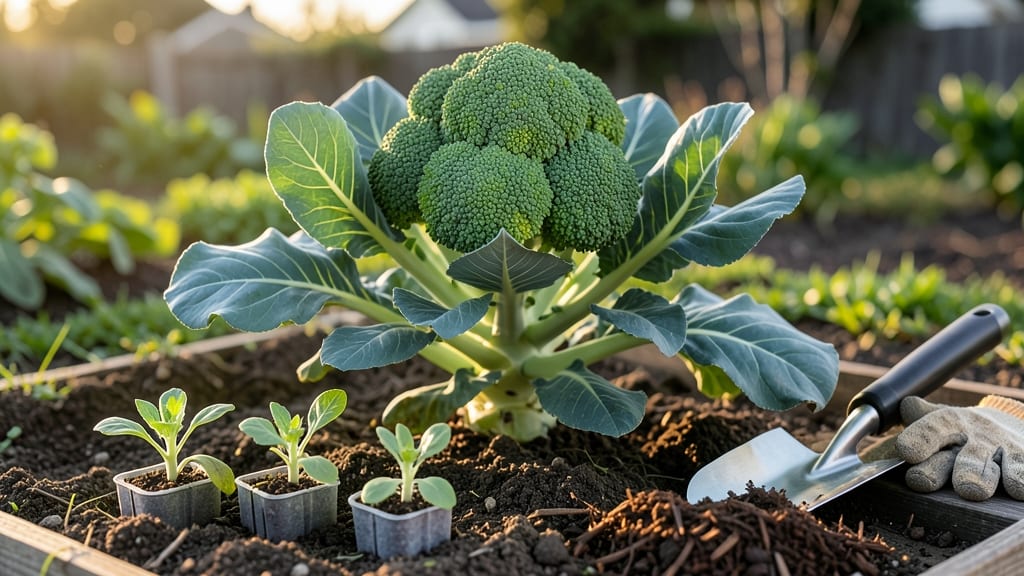
Timing your broccoli planting in Utah isn't just about following a calendar—it's about outsmarting the 150 frost-free days and the drastic shifts from USDA Zone 5 mountain chill to Zone 7 desert heat.
Get it wrong, and you'll end up with bitter, bolted 🥦 heads instead of the crisp, flavorful crowns you crave.
I've grown broccoli in Utah's high desert and mountain valleys, and the key difference between a thriving garden and a disappointing one comes down to two planting windows: spring (March-April) and fall (August-September).
These months align with soil temperatures and daylight just right to prevent bolting—the enemy of Utah gardeners.
What you'll discover here are the exact month-by-month strategies that work for Utah's microclimates, from Salt Lake City's urban gardens to St. George's hotter valleys. We'll cover cold-hardy varieties that actually perform, soil prep hacks for alkaline Utah dirt, and how to stretch your growing season with shade solutions.
Ready to grow broccoli that tastes like it came from a farmstand, not a seed packet? Let's dive into the Utah-specific secrets that'll have you harvesting May through November—no matter where you garden in the Beehive State.
Utah broccoli planting calendar: exact months to avoid bolting & maximize yield
Utah’s diverse climate—from the cold mountain valleys of Park City to the hot desert regions of St. George—demands precise timing for broccoli success. The key is planting when soil temps hit 40°F+ and frost risks drop below 20% probability.
For most Utah gardeners, this means two critical windows: early spring and late summer.
In northern Utah (Salt Lake City, Ogden, Provo), aim for March 15–April 15 for spring plantings, while southern Utah (St. George, Cedar City) can start 2–3 weeks earlier thanks to milder winters. Fall plantings should begin 8–10 weeks before your area’s first frost—typically August 1–September 15.
Here’s the Utah-specific planting calendar broken down by region, including frost dates and soil temperature targets to prevent bolting—the enemy of Utah broccoli growers.
| Region | Spring Planting Window | Soil Temp (°F) | Fall Planting Window | Last Frost Date |
|---|---|---|---|---|
| Northern Utah (Salt Lake City, Ogden) | March 15–April 15 | 40–50°F | August 1–September 1 | Mid-April |
| Central Utah (Provo, Heber) | March 1–April 10 | 40–50°F | July 20–August 15 | Early April |
| Southern Utah (St. George, Cedar City) | February 20–March 30 | 45–55°F | July 15–August 30 | Mid-March |
| High Elevation (Park City, Logan) | April 1–May 1 | 45–55°F | July 30–September 10 | Late April |
🌱 Pro Tip: Use row covers to extend spring plantings by 2–3 weeks in cold regions.
For direct sowing (planting seeds directly in the ground), start 4–6 weeks before your region’s last frost date. In northern Utah, this means late February to early March, while southern Utah can begin as early as January under protective covers.
Transplants are often easier for Utah gardeners because they skip the slow seedling stage and give you a head start. Buy 6–8 week-old seedlings from local nurseries like Desert Seed Company or Utah Garden Center, and harden them off for 5–7 days before planting.
If you’re in a high-desert area (e.g., Moab, Price), prioritize shade cloth during summer months to prevent heat stress. Broccoli bolts when temps exceed 80°F for prolonged periods, so afternoon shade can be a game-changer for a second fall crop.
Always check the Utah State University Extension’s frost maps for real-time updates, as microclimates can shift frost dates by 1–2 weeks even within the same city. For example, Ogden’s valley floor may frost later than nearby mountain slopes.
Once planted, maintain consistent moisture—Utah’s dry air and alkaline soils can cause cracked heads if watering is inconsistent. Mulch with straw or wood chips to retain moisture and regulate soil temperature.
Timing isn’t just about months—it’s about soil temperature and frost probability. Use a soil thermometer to confirm readiness; broccoli roots thrive in 50–70°F soil. If temps drop below 40°F, growth stalls, and plants may rot.
🌿 For maximum yield, stagger plantings every 2–3 weeks in spring and fall. This ensures a continuous harvest and reduces the risk of bolting
Cold-hardy broccoli varieties that thrive in Utah's short growing season
Utah's short growing season and temperature swings demand broccoli varieties that resist bolting and tolerate cool weather. The right choice means the difference between a bountiful harvest and wasted effort. Here are the top 5 cold-hardy varieties that excel in Utah’s USDA zones 5-7, along with their unique advantages.
For spring planting, prioritize varieties like ‘Waltham 29’—a classic that handles Utah’s late frosts and produces large, flavorful heads in just 60-70 days. Its bolt resistance makes it ideal for high-elevation areas like Ogden or Provo, where nights stay chilly longer.
For fall crops, ‘De Cicco’ shines with its heat tolerance and slow bolting, giving you a second harvest before winter sets in. This Italian heirloom also produces smaller side shoots after the main head, extending your harvest window into November.
Other standout picks include ‘Calabrese’ (great for container gardening in urban areas like Salt Lake City) and ‘Green Goliath’ (a disease-resistant option for wetter years). Each variety adapts to Utah’s alkaline soils and variable moisture, but their days to maturity vary—critical for planning around Utah’s 150 frost-free days.
🥦 Top Utah Broccoli Varieties
| Variety | Days to Maturity | Best For | Utah Notes |
|---|---|---|---|
| Waltham 29 | 60-70 | Spring, high elevation | Cold-tolerant, large heads |
| De Cicco | 55-65 | Fall, side shoots | Heat-resistant, slow bolting |
| Calabrese | 65-75 | Containers, urban | Compact, good for small spaces |
| Green Goliath | 60-70 | Disease-prone areas | Resistant to rot, alkaline soil |
| Packman | 55-60 | Succession planting | Fast, great for short seasons |
To maximize your fall harvest, plant ‘De Cicco’ or ‘Packman’ by late August—giving them 8-10 weeks to mature before Utah’s mid-October frost. For spring crops, start seeds indoors in February and transplant 4-6 weeks before your last frost date (typically mid-April).
Pro tip: Use row covers for early spring plantings in St. George or Southern Utah to protect seedlings from unpredictable nighttime frosts. This extends your planting window by 2-3 weeks without risking bolting.
🌱