
Plants
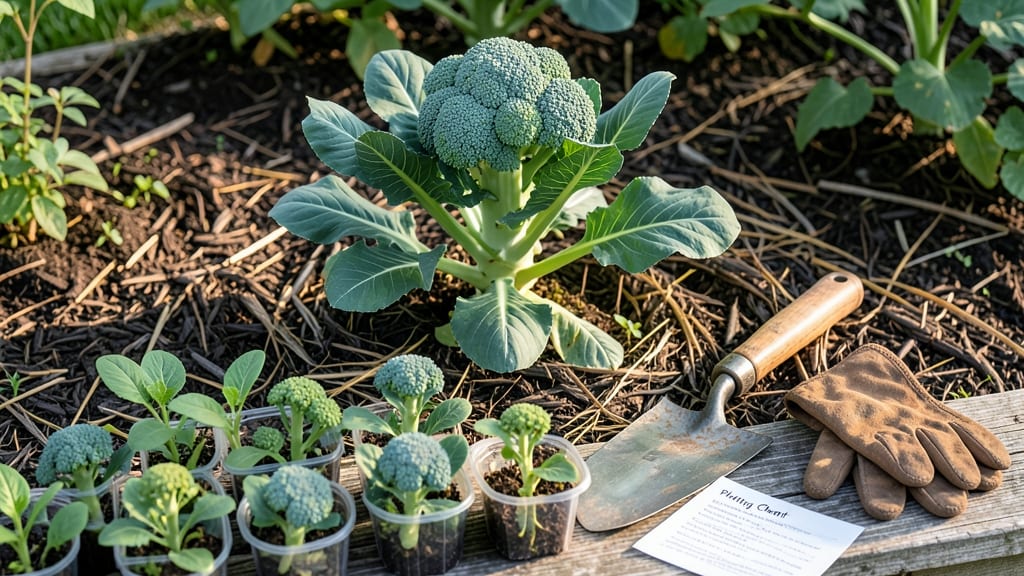
Timing your 🥦 broccoli planting in North Florida isn’t just about the calendar—it’s about outsmarting the heat and humidity that can turn your crop into a sad, bolting mess before you even get to harvest.
If you plant too early, frost will nip your plants in the bud (literally), and if you wait too long, the summer sun will send them running toward flowers instead of producing those plump, green heads you crave.
Here’s the good news: with the right strategy, you can grow broccoli in North Florida’s 8a zone twice a year—once in the fall and again in the spring—without playing a high-stakes game of agricultural roulette.
The key is understanding the best months to plant, how to protect your plants from Florida’s quirks (like unexpected heat spikes or hurricane season disruptions), and when to give up on summer planting entirely.
In this guide, I’ll break down exactly when to plant broccoli for a successful harvest, whether you’re a first-time gardener or a seasoned green thumb.
We’ll cover the ideal planting windows, how to extend your growing season, and the common mistakes that derail North Florida gardens—so you can finally enjoy homegrown 🥦 broccoli without the stress.
Ready to stop guessing and start growing? Let’s dive into the best months to plant broccoli in North Florida and turn your garden into a harvest goldmine.
Best planting months for broccoli in North Florida’s climate zones 8a-9a
North Florida’s USDA Zones 8a-9a create a unique challenge for growing broccoli—too early, and a late frost can kill seedlings; too late, and the heat triggers bolting before harvest.
The key is planting during cooler months when soil temperatures stay below 75°F. For most of North Florida, this means focusing on fall and early spring windows.
In Zone 8a (common in areas like Jacksonville and Gainesville), your last frost date typically falls around February 15, while Zone 9a (like Tallahassee) rarely sees frost. Use these dates as your guide: plant 4-6 weeks before your first frost for a fall harvest, or February-March for spring planting.
Here’s the golden rule: Avoid planting broccoli in summer months (June-August). Temperatures above 80°F cause broccoli to bolt quickly, turning your potential harvest into bitter, seed-studded stalks. Instead, aim for late summer to early fall or late winter for the best results.
For coastal areas (like Jacksonville Beach), humidity can extend your growing season slightly, allowing for October plantings with shade protection. Inland areas (like Ocala) may need to start seeds indoors in August for a fall transplant to avoid early heat stress.
Check your local frost-free dates using the USDA Plant Hardiness Zone Map or your county extension office. For example, Jacksonville’s first frost averages December 1, while Tallahassee rarely sees frost. Adjust your planting timeline accordingly—this precision makes all the difference in North Florida’s unpredictable climate.
| Planting Window | Ideal Months | Harvest Window | Notes for North Florida |
|---|---|---|---|
| Fall Planting | Late August - Early September | November - December | Plant 4-6 weeks before first frost; use shade cloth if coastal humidity is high. |
| Spring Planting | February - Early March | May - June | Avoid planting after March 15; heat stress increases bolting risk. |
| Extended Fall (Coastal) | October (with protection) | December - January | Use 30% shade cloth; monitor for fungal diseases in humid conditions. |
If you’re in Zone 9a, you can experiment with winter plantings in December, but protect seedlings with row covers if temperatures dip below 50°F. For Zone 8a, stick to the fall window—this is your safest bet for a reliable harvest before winter chill sets in.
Pro tip: Start seeds indoors in July if you want a fall transplant. Use grow lights to keep seedlings strong until soil temperatures cool in late August. This head start gives broccoli a 3-4 week advantage over direct-sown seedlings.
Remember, soil temperature matters more than air temperature. Use a soil thermometer to confirm your planting bed is below 75°F—this is your best defense against bolting. In North Florida’s heat, even a 5°F difference can mean the difference between a thriving crop and a failed harvest.
For succession planting, sow a second batch every 2-3 weeks in fall to stagger harvests. This ensures you’re not overwhelmed with broccoli at once and maximizes your garden’s productivity. Just stop by mid-October to avoid summer heat stress.
Finally, choose heat-tolerant varieties like 'De Cicco' or 'Waltham 29' for your North Florida garden. These varieties handle mild heat better than standard types, giving you a slight edge in the shoulder seasons when temperatures fluctuate wildly.
How to extend broccoli growing season in North Florida’s heat
North Florida’s summer heat can turn your broccoli into a sad, bolted mess before you even see a harvest. The key to success? Strategic timing, shade, and smart variety choices that keep your plants cool and productive.
I’ve learned the hard way—skipping these steps means tiny heads or no harvest at all.
First, avoid planting broccoli in summer (May through August) unless you’re using heat-tolerant varieties like 'De Cicco' or 'Waltham 29'. Even then, your plants will struggle in temperatures above 85°F. Instead, focus on fall and spring plantings when cooler temps help broccoli thrive.
For fall plantings, start seeds indoors 6-8 weeks before your average last frost (around mid-July for North Florida). Transplant seedlings outdoors 4-6 weeks before frost (aim for late August to early September). This gives your broccoli time to mature before winter chills arrive.
🌱 Pro Tip: Use 30-50% shade cloth during the hottest part of the day (11 AM–3 PM) to protect young plants. This simple trick can lower soil temps by 10-15°F, preventing bolting. Secure the cloth with stakes or a hoop system to avoid direct sun exposure.
🔥 5 Ways to Beat the Heat & Extend Your Broccoli Season
- ✅ Choose heat-tolerant varieties like 'De Cicco' or 'Belstar'—they handle 80-85°F better than standard types.
- ✅ Mulch heavily with straw or wood chips (3-4 inches deep) to keep soil temps 10°F cooler and retain moisture.
- ✅ Water deeply in the morning (1-2 inches per week) to encourage deep root growth—shallow watering stresses plants.
- ✅ Plant near tall crops like corn or sunflowers to provide natural shade during peak heat hours.
- ✅ Harvest early—pick smaller heads (4-6 inches) in summer to avoid bolting; larger heads form slower in heat.
If you’re determined to grow broccoli in spring, time it right: plant seeds indoors in January and transplant outdoors by mid-February. This gives you a May-June harvest before the real heat sets in. Just be prepared to harvest quickly—broccoli won’t wait around for summer!
For year-round success, try succession planting: Sow a new batch of seeds every 2-3 weeks from August through October. This staggered approach ensures a continuous harvest before winter sets in. Pair broccoli with basil or beans—these companions improve flavor and deter pests like cabbage worms.
🌡️ Watch for heat stress signs: Yellowing leaves, bitter-tasting heads, or premature bolting (flower stalks shooting up) mean it’s time to act. Move plants to shade immediately and reduce watering slightly—overwatering in heat stresses roots further.