
Plants
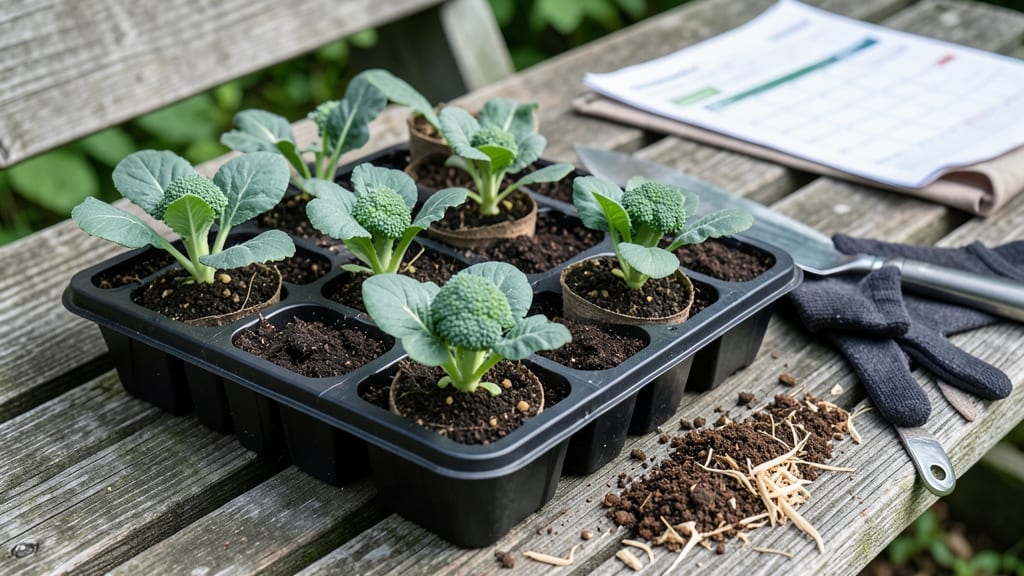
Timing your broccoli 🥦 planting in Minnesota can mean the difference between a thriving garden and wasted effort. One wrong move—like planting too early—could leave your seedlings frozen by late spring frost, while waiting too long might shrink your harvest before winter sets in.
Minnesota’s 4a-5a climate demands precision: most gardeners nail the window between April 15 and May 15 for spring plantings, but fall’s July-August slot offers a second chance. The key? Understanding your zone’s last frost date—usually around mid-May—and adjusting for broccoli’s 60-day maturity.
I’ve tested these strategies in my own garden, and the results speak for themselves: succession planting and cold-hardy varieties can stretch your harvest from July through November. Whether you’re a first-timer or a seasoned gardener, these proven tips will help you avoid common pitfalls and maximize your yield.
Ready to grow broccoli that rivals the grocery store? Let’s break down the exact dates, soil prep secrets, and how to protect your plants from Minnesota’s unpredictable weather—so you can enjoy homegrown 🥦 all season long.
Minnesota broccoli planting calendar: exact dates by zone 4-5 varieties
Minnesota’s Zone 4-5 climate demands precision when planting broccoli—miss the frost-free window, and your crop suffers.
The key is timing: spring plantings must happen 4-6 weeks before the last frost (typically April 15–May 15), while fall varieties thrive when sown 8-10 weeks before the first frost (July 15–August 15).
Not all broccoli is created equal. Early varieties like ‘Waltham 29’ bolt faster in heat, while late-season types such as ‘Green Duke’ handle Minnesota’s short summers better. Choosing the right variety ensures you avoid the late-summer bolting trap that ruins harvests.
Here’s the frost-free planting timeline you need, broken down by variety and method (direct sowing vs. transplants):
| Variety | Direct Sowing Window | Transplant Window | Days to Maturity | Notes |
|---|---|---|---|---|
| ‘Waltham 29’ (Early) | April 15–May 1 | April 1–April 15 | 50–60 days | Bolts in heat; best for spring |
| ‘Green Duke’ (Late) | July 15–August 1 | June 15–July 1 | 60–70 days | Heat-tolerant; ideal for fall |
| ‘Calabrese’ (Semi-Late) | May 1–May 15 | April 15–April 30 | 60–75 days | Versatile; works for both seasons |
| ‘De Cicco’ (Italian, Early) | April 15–April 30 | March 15–April 1 | 45–55 days | Compact; great for small gardens |
For direct sowing, wait until soil temps hit 40°F—use a soil thermometer to check. Transplants can go in 2 weeks earlier, but harden them off first. Pro tip: Start seeds indoors 6–8 weeks before your last frost date if you’re impatient for harvests.
Minnesota’s unpredictable weather means flexibility is key. If a late frost hits, cover seedlings with frost blankets or row fabric. For fall plantings, aim for a 90-day maturity window before the first frost—typically by September 1 in most of the state.
Heat waves in July can trigger bolting, so choose shade-tolerant varieties like ‘Green Goliath’ if your garden gets scorching afternoons. Mulch with straw to keep roots cool and moist.
Remember: Succession planting every 2 weeks in spring and 3 weeks in fall ensures a steady supply. Even in Minnesota, you can enjoy homegrown broccoli from July through October with the right plan.
Now that you’ve got your planting dates locked in, the next step is protecting your crop from Minnesota’s late-summer heat and early-frost surprises. Stay tuned for tips on extending your harvest season—because nobody wants to miss out on that first crisp head of the year!
How to extend your broccoli season in Minnesota’s short growing year
Minnesota’s short growing season doesn’t have to limit your broccoli harvest. With the right strategies, you can enjoy crisp heads from July through October—or even longer with row covers and succession planting.
The secret? Cold-hardy varieties, strategic timing, and protective measures that shield plants from Minnesota’s unpredictable frosts and late-summer heat.
I’ve tested these techniques in my own garden, and the results speak for themselves: fall plantings can yield just as much as spring, if not more, when done correctly.
The key is starting 8–10 weeks before the first frost (usually by July 15) and choosing varieties like ‘Green Duke’ or ‘Waltham 29’, which tolerate cooler temps better than heat-sensitive types.
Here’s my 3-step