
Plants
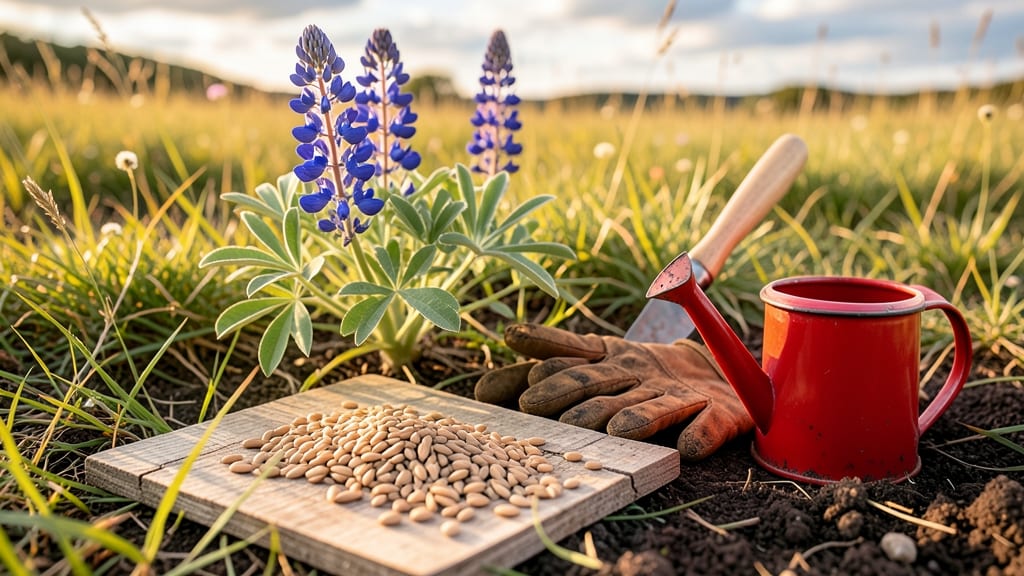
If you’ve ever dreamed of transforming your Houston garden into a sea of blue like Texas’ famous highways, when to plant bluebonnet seeds in Houston is the game-changer.
Planting them too early risks frost damage, while waiting too long means summer heat will sabotage germination—so when exactly should you sow them for vibrant spring blooms?
The key window in Houston’s 9a climate is late September through November, when soil temperatures drop and summer’s brutal heat fades. This period gives seeds the perfect balance of cool weather and moisture to establish roots before winter dormancy.
Skipping this timing could leave you with patchy blooms—or none at all.
Beyond months, Houston’s unique challenges—like sporadic rainfall and occasional late frosts—demand extra care. I’ll break down the critical steps to prep your soil, space seeds correctly, and protect them from Houston’s quirks, ensuring your 🌸 bluebonnets thrive year after year.
Ready to turn your yard into a Texas postcard? Let’s dive into the exact schedule and techniques that’ll have your garden buzzing with pollinators and color by spring.
Houston’s ideal bluebonnet planting months: frost dates and soil prep guide
Houston’s humid subtropical climate (USDA Zone 8a-9a) creates a narrow 2-month window for planting bluebonnet seeds. The perfect time is between late September and November, when soil temperatures drop below 80°F but before winter rains arrive.
This balance ensures seeds germinate without competing with summer heat or rotting from excess moisture.
Why these months? Bluebonnets (Lupinus texensis) need cool soil to break dormancy, but they’ll rot if planted when Houston’s summer humidity peaks (June–August). The last average frost in Houston is January 15, giving seedlings 3+ months to establish before summer’s return.
Here’s your Houston-specific planting timeline with soil prep steps to maximize germination rates:
| Month | Soil Temp (°F) | Planting Window | Prep Steps |
|---|---|---|---|
| Late September | 75–80°F | Ideal start | Clear debris, loosen soil 2" |
| October | 65–75°F | Peak window | Add compost (2–3 inches) |
| November | 60–65°F | Last chance | Mulch lightly (¼ inch) |
| ⚠️ Avoid planting after November 15—seeds may not germinate before Houston’s winter rains. | |||
Before planting, test your soil’s drainage. Bluebonnets hate soggy roots—Houston’s clay-heavy soil can trap moisture. Mix in sand or perlite to improve aeration. Aim for a slightly acidic to neutral pH (6.0–7.0), which Houston’s native soils often lack.
A $10 soil test kit from your local nursery will confirm.
For maximum bloom density, scatter seeds ¼ inch deep in well-prepped beds with 6+ hours of sun. Houston’s south-facing slopes get the most light—ideal for bluebonnets. After sowing, water lightly (just enough to settle soil) and avoid overwatering, which causes seed rot.
Pro tip: Stratification isn’t needed for bluebonnets in Houston’s climate—our natural fall temperature drops act as a dormancy trigger. However, if you’re planting in late November, a 1-week cold stratification (place seeds in a damp paper towel in the fridge) can boost germination rates by 20%.
Once planted, resist the urge to fertilize. Bluebonnets are nitrogen-sensitive—too much fertilizer produces leafy growth over flowers. Instead, rely on compost-rich soil and natural rainfall.
Houston’s average 48 inches of annual rain provides enough moisture, but mulch heavily in April–May to retain soil moisture during bloom season.
Remember: Patience is key. Bluebonnet seeds may take 10–14 days to germinate in Houston’s mild winters. Keep soil consistently moist (not soggy) until seedlings appear. Once established, they’ll rebloom for 3–5 years with proper care—making your fall planting efforts worth the wait.
3 Critical factors that determine bluebonnet seed success in Houston’s climate
Houston’s humid subtropical climate throws curveballs at bluebonnet seeds—rainfall timing, soil moisture retention, and heat tolerance can make or break your garden’s 🌸 spring spectacle.
Unlike drier Texas regions, Houston’s high humidity and sporadic downpours demand special attention. Here’s how to outsmart Houston’s quirks for reliable germination and vibrant blooms.
The #1 killer of bluebonnet seeds in Houston is excess moisture during germination. While Houston averages 48 inches of rain yearly, November–January downpours can drown seeds before they sprout.
To prevent this, plant in well-draining soil with a 10–15% sand or perlite mix. If your yard floods after heavy rain, consider raised beds or elevated planting areas.
Here are the 3 non-negotiable factors for Houston success, ranked by impact:
- 🌧️ Rainfall Timing: Plant in late September–early October to avoid Houston’s winter deluges. Seeds need consistent moisture to germinate but hate waterlogged soil. Use a clear plastic dome over seed trays for 3–5 days post-planting to create a humid microclimate without overwatering.
- 🌡️ Soil Temperature: Ideal germination occurs at 60–70°F. Houston’s soil stays too warm (80°F+) until mid-October. Use a soil thermometer ($10 at nurseries) to confirm readiness. If temperatures exceed 75°F, delay planting or use shade cloth to cool the soil.
- ☀️ Heat Tolerance: Bluebonnets cannot handle summer heat—planting after November 15 risks seed failure. Houston’s 90°F+ afternoons in spring will stress seedlings before they establish. Prioritize fall planting and mulch heavily (2–3 inches) in March to insulate roots from heat.
Another Houston-specific challenge is soil compaction from heavy rainfall. Compacted soil smothers seeds and blocks root growth. Before planting, aerate the soil with a garden fork or tiller to a depth of 4–6 inches.
Mix in compost or aged manure to improve moisture retention without suffocating seeds. Aim for soil that’s crumbly like cake batter—not hard like concrete.
For maximum resilience, pair your planting with natural mulch. Houston’s wild temperature swings (from 50°F nights to 80°F days in spring) stress young seedlings. Apply a ¼-inch layer of straw mulch after germination to regulate soil temperature and reduce evaporation.
Avoid thick mulch layers—over-mulching can suffocate seeds and attract pests like earwigs.
Finally, don’t underestimate Houston’s pollinators. Bluebonnets attract bees, butterflies, and hummingbirds, but overwatering can dilute nectar production. Once established, water deeply but infrequently—1 inch per week during bloom season (March–April).
Use a drip irrigation system to deliver water directly to roots and avoid foliar diseases from Houston’s high humidity.
By mastering these 3 critical factors, your bluebonnets will thrive despite Houston’s challenges. The result? A lush, low-maintenance carpet of blue that reblooms yearly with minimal effort—proof that even Houston’s unpredictable weather can’t stop Texas’ most beloved wildflower.