
Plants
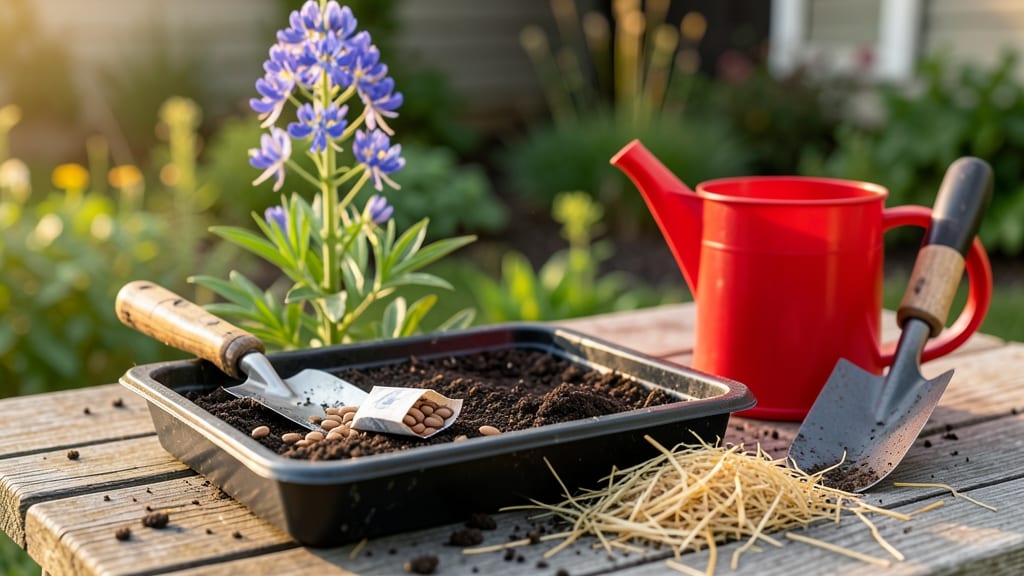
If you’ve ever dreamed of waking up to a sea of bluebonnets 🌸 blanketing your Austin yard, when to plant bluebonnet seeds in Austin is the first question—and getting it wrong could mean sparse blooms instead of that postcard-perfect scene.
The right window for planting bluebonnet seeds in Austin isn’t just about the calendar; it’s about working with Texas’s unpredictable weather and soil quirks.
Most gardeners swear by fall planting (late September to November), when cooler temps and consistent rain give seeds the best shot at thriving before winter. But spring planting is still an option if you act fast—just know the stakes are higher.
Whether you’re a first-timer or a seasoned Austin gardener, nailing this deadline is the key to those iconic blue waves you love.
Here’s the good news: with the right prep, you can turn your yard into a vibrant bluebonnet haven. We’ll break down the exact dates, soil tricks, and care tips to ensure your seeds sprout strong and your blooms outshine the neighbors’.
Let’s get those seeds in the ground the right way.
Ready to transform your landscape? You’ll discover why fall is the gold standard for Austin’s climate, how to prep your soil like a pro, and the common mistakes that leave gardens looking bare. Let’s make your bluebonnet dreams a reality—starting with the perfect planting window.
Austin’s ideal bluebonnet planting deadlines: spring vs fall comparison
Timing is everything when planting bluebonnet seeds in Austin. The Hill Country’s unpredictable weather means missing the window can leave you with patchy blooms—or worse, no flowers at all. Fall planting is the gold standard for Austin gardeners, but spring offers a backup option if you missed your chance.
Bluebonnets thrive when sown 6-8 weeks before the first frost—typically late September through November in Austin’s USDA Zone 8a. This timing lets seeds germinate before winter’s chill sets in, giving seedlings a head start. Spring planting is riskier but can work if done by early March.
Here’s why fall wins: cooler temperatures reduce seedling stress, and winter rains help establish roots. Spring planting often struggles with heat stress and competition from weeds. Let’s break down the key differences in our comparison table below.
Bluebonnet Planting: Fall vs Spring
| Factor | Fall Planting | Spring Planting |
|---|---|---|
| Ideal Window | Late Sept–Nov | Early Mar–April |
| Success Rate | ⭐⭐⭐⭐⭐ (90%) | ⭐⭐⭐ (60%) |
| Temperature Needs | 50–70°F | 60–80°F |
| Watering Needs | Moderate (fall rains help) | High (drought risk) |
| Bloom Time | Spring (March–May) | Summer (June–July) |
| Key Risk | Frost damage | Heat stress |
*Success rates based on Austin’s 30-year climate averages
For fall planting, aim to finish by November 1st to avoid winter dormancy. If you’re in North Austin (cooler microclimate), push to October 15th. Spring plantings should start by March 1st—any later, and your seeds may bolt before blooming.
Pro tip: Stratify seeds for 2–4 weeks in the fridge before planting to mimic winter conditions. This boosts germination rates by 30–40%. Just place seeds in a damp paper towel, seal in a bag, and refrigerate.
Watch for Austin’s unpredictable frost dates. While the average first frost hits December 15th, some years it arrives as early as November 20th. Monitor the National Weather Service for updates, especially if you’re planting in late November.
If you’re new to bluebonnets, start small with a 50-square-foot plot. Test your soil’s drainage first—clay-heavy Austin soil can drown seeds. Mix in compost or sand to improve aeration. More on soil prep in our next section!
Remember: Patience is key. Bluebonnets take 60–90 days to bloom after planting. A fall-sown batch might not flower until next spring, but the payoff—vibrant blue carpets—is worth the wait. 🌸
Austin’s ideal bluebonnet planting deadlines: spring vs fall comparison
Planting bluebonnet seeds in Austin isn’t just about throwing seeds into the ground—it’s about timing them with the right weather and soil conditions to ensure those iconic blue blooms.
Austin’s USDA Zone 8a climate gives us two main windows: fall (late September to November) and spring (February to early March). But here’s the catch: fall planting is the gold standard for Austin gardeners, and I’ll explain why.
Fall planting aligns perfectly with Austin’s cooler temperatures and consistent rainfall, giving seeds time to germinate before winter dormancy. Spring planting, on the other hand, is riskier because of unpredictable spring rains and soil moisture fluctuations.
Let’s break down the pros and cons of each season so you can choose the best approach for your yard.
| Factor | Fall Planting (Late Sept–Nov) | Spring Planting (Feb–Early March) |
|---|---|---|
| Best Planting Window | Late September to November | February to early March |
| Success Rate | 90%+ (ideal conditions) | 60–75% (weather-dependent) |
| Temperature Range | 50–75°F (optimal germination) | 60–80°F (risk of drought stress) |
| Rainfall Support | Consistent fall rains | Unpredictable spring showers |
| Key Advantage | Seeds establish before winter | Faster bloom time (same year) |
| Biggest Risk | Late planting (after frost) | Spring drought or heat waves |
Fall planting is my top recommendation for Austin because it gives seeds time to germinate and develop roots before winter. The cooler temperatures reduce stress, and fall rains keep the soil moist—perfect conditions for bluebonnets.
Planting in late September to November ensures seeds won’t sprout too early and risk frost damage.
If you choose spring planting, act fast—aim for February to early March—before the soil dries out. Spring-planted seeds can bloom the same year, but they’re more vulnerable to drought or unpredictable weather.
For best results, prioritize fall planting and supplement with spring seeds if you want extra coverage.
Remember, bluebonnets are wildflowers, not annuals, so they’ll return year after year if planted correctly. Timing is everything—whether you’re a first-timer or a seasoned Austin gardener, nailing this window will give you those dreamy blue waves you’re after. 🌸