
Plants
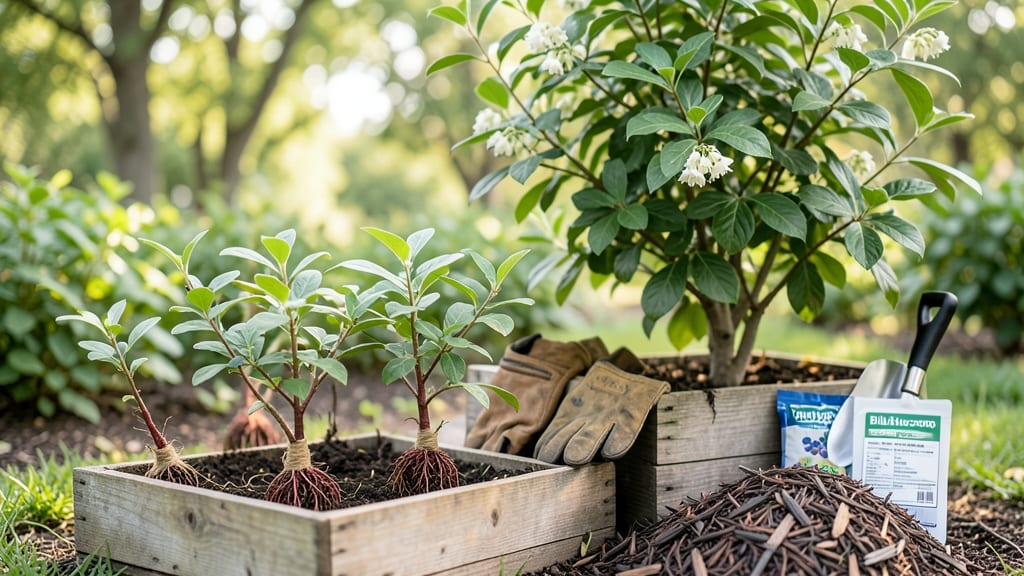
Timing your blueberry planting in Iowa could mean the difference between a thriving 🫐 bush and a sad, frost-bitten sapling. With Iowa's 5a-5b climate, getting the window right—whether it's late spring or fall—is the key to survival and sweet harvests.
You might think spring is the only option, but fall planting actually gives your blueberries a head start. The secret lies in understanding Iowa's last frost dates (usually around April 15) and how to work with your local microclimate.
Let me show you exactly when to plant for the best chance of success.
We'll cover the ideal planting months for both spring and fall, plus how to prepare your soil and protect young plants from Iowa's unpredictable weather. Whether you're a first-time gardener or a seasoned pro, these tips will help you grow healthier bushes that produce berries for years.
Ready to turn your backyard into a blueberry paradise? Let's dive into the best strategies for planting 🫐 bushes that thrive in Iowa's climate—no guesswork required.
Iowa’s frost-free window for blueberry planting by region
Timing your blueberry planting to Iowa’s frost-free window is critical—plant too early, and frost will kill tender roots; too late, and your bushes won’t establish before winter. Iowa spans USDA Zones 4-5, with last frost dates varying by 3-4 weeks between north and south.
Understanding your region’s average last frost date helps you choose between spring (April-June) or fall (September-October) planting.
Northern Iowa (Zones 4a-4b), like Dubuque or Waterloo, typically sees its last frost around May 10-15, while southern Iowa (Zones 5a-5b), such as Des Moines or Cedar Rapids, warms up by April 20-25.
Microclimates—like river valleys or urban areas—can push these dates earlier by 1-2 weeks, so always check local records or use a frost calendar from your county extension office.
For spring planting, aim to get bare-root plants in the ground 2-4 weeks after your last frost. Container-grown blueberries can handle slightly earlier planting since their roots aren’t exposed.
Fall planting, however, is often preferred in Iowa because cooler soil temperatures reduce transplant shock, and bushes establish roots before winter dormancy.
Here’s how Iowa’s regions break down for optimal planting windows, including adjustments for microclimates:
| Region | USDA Zone | Avg. Last Frost | Spring Planting Window | Fall Planting Window | Microclimate Adjustment |
|---|---|---|---|---|---|
| Northern Iowa (Dubuque, Waterloo) | 4a-4b | May 10-15 | May 20 - June 10 | September 15 - October 10 | River valleys: 1 week earlier |
| Central Iowa (Des Moines, Ames) | 5a | April 25 - May 5 | May 10 - June 5 | September 1 - October 5 | Urban areas: 3-5 days earlier |
| Southern Iowa (Cedar Rapids, Ottumwa) | 5a-5b | April 20 - April 30 | April 25 - May 15 | August 25 - September 30 | South-facing slopes: 1 week earlier |
If you’re planting in containers or raised beds, you can push spring planting 1-2 weeks earlier because these environments warm up faster. However, avoid planting before the soil reaches 45°F (7°C)soil thermometer to check temperature at a depth of 4 inches.
For fall planting, focus on getting bushes in the ground 6-8 weeks before the first frost. This gives roots time to establish without the stress of winter dormancy. In Iowa, this typically means late August through early October, depending on your region.
Mulch heavily with 4-6 inches of pine straw or wood chips to insulate roots during winter.
Pro tip: If you miss the ideal window, container-grown blueberries can be planted up to 2 weeks before or after the recommended dates, as their roots are less vulnerable to temperature swings. Just monitor soil moisture closely, as containers dry out faster in Iowa’s hot summers.
Always verify your local frost dates using resources like the Iowa State University Extension or the National Oceanic and Atmospheric Administration (NOAA). These tools provide historical averages and help you adjust for unpredictable weather patterns—a must for Iowa gardeners!
Best blueberry varieties for Iowa and their ideal planting months
Iowa’s climate favors cold-hardy blueberry varieties that thrive in USDA zones 4-5. Choosing the right type isn’t just about flavor—it’s about survival. Northern highbush varieties like 'Northblue' handle Iowa’s winters best, while lowbush types (like 'Patriot') need extra protection.
Let’s break down the top picks and their perfect planting windows.
For spring planting, aim for late April to early June—after Iowa’s last frost (usually around April 15). But fall planting, from September to October, gives roots time to establish before winter. Bare-root plants need special care, while container-grown varieties offer flexibility. Here’s what works best in Iowa:
If you’re planting bare-root blueberries, do it as soon as possible after purchase—these plants dry out fast. For container-grown bushes, you have more flexibility but still want to plant before Iowa’s first frost (around October 15).
Pro tip: Soak roots in water for 1-2 hours before planting to reduce transplant shock.
For container gardening, choose compact varieties like 'Top Hat' or 'Pink Lemonade' (yes, it’s edible!). These thrive in pots and let you move them to protect from late frosts.
Just ensure your container has drainage holes—blueberries hate soggy roots. Mulch with pine needles or wood chips to keep soil acidic and retain moisture.
Don’t overlook pollination. Plant at least two compatible varieties (like 'Bluecrop' + 'Jersey') for better fruit set. Iowa’s wind helps, but bees love blueberries too! Avoid planting near walnut trees—their roots release juglone, a toxin that stunts blueberry growth. 🫐
Ready to pick your variety? Start with 'Northblue' for hardiness or 'Bluecrop' for reliability. Then mark your calendar: fall planting in September-October gives your bushes a head start for Iowa’s next growing season. Happy planting!