
Plants
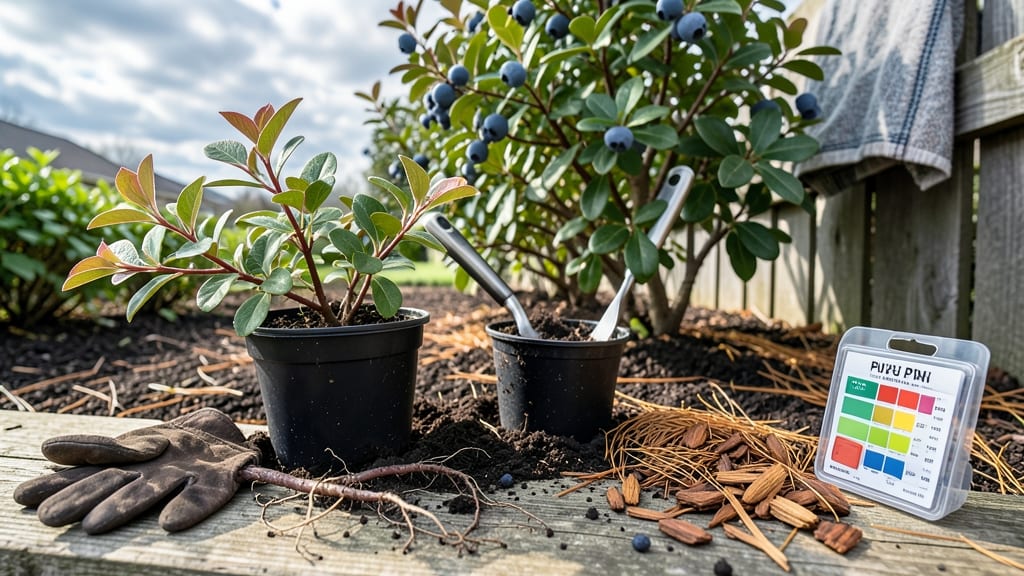
Timing your blueberry planting in Colorado isn’t just about following a calendar—it’s about outsmarting the state’s unpredictable frost dates and elevation shifts that can turn your garden dreams into a gamble.
With USDA zones 5-7 and last frost dates that vary wildly from late April to early June, getting it wrong could mean stunted bushes or lost harvests.
But here’s the good news: with the right strategy, you can plant your 🫐 bushes at the perfect moment for thriving bushes and juicy berries by summer.
Most gardeners assume spring is the only window, but Colorado’s climate actually rewards both spring and fall planting—if you know the tricks.
Whether you’re in Denver’s urban heat islands or the cooler Western Slope, I’ll break down exactly when to dig in your bushes for maximum root growth before winter’s chill. No more guessing games—just science-backed timing that works for your specific microclimate.
You’ll also discover how to spot the ideal conditions (soil temps, frost-free days, and even moon phases for some gardeners) that separate successful plantings from those that fizzle. Plus, I’ll share my top tips for container gardening—because even renters can grow blueberries in Colorado with the right setup.
Ready to turn your backyard into a berry bonanza? Let’s get started.
The best part? By the time you finish reading, you’ll have a customized planting calendar tailored to your exact location—whether you’re battling Denver’s urban heat or the crisp air of the Front Range.
No more missed opportunities, just sweet, plump berries waiting for you come July and August. Let’s make this your most productive blueberry season yet.
Colorado blueberry planting zones: best months by elevation and microclimate
Colorado’s diverse USDA hardiness zones 3-7 mean your blueberry planting window can vary dramatically—from March in lowland areas to June at higher elevations. The key is aligning your planting with soil temperatures (ideally 45°F+) and last frost dates, which shift by hundreds of miles across the state.
For Front Range cities like Denver or Boulder (zones 5-6), aim for late April to early May—after the average last frost (May 15). In high-altitude areas (6,000+ ft), like Fort Collins or Steamboat Springs, wait until mid-to-late May when soil warms sufficiently.
Meanwhile, Western Slope regions (e.g., Grand Junction, zone 7) can plant as early as March thanks to milder winters.
Microclimates add another layer: Urban areas (like Denver’s downtown) may experience heat islands, while rural or mountainous zones face delayed soil thaw. Always check local frost-free date tools (like Almanac’s Frost Calculator) before planting.
Here’s how to match your elevation and microclimate to the perfect planting window:
| Zone/Elevation | Best Planting Window | Soil Temp Requirement | Microclimate Notes |
|---|---|---|---|
| Zones 3-4 (6,000+ ft) | Mid-May to early June | 45°F+ (10°C+) | Late frosts common; use black plastic mulch for warmth. |
| Zones 5-6 (5,000-6,000 ft) | Late April to early May | 40°F+ (5°C+) | Urban areas may need container planting for flexibility. |
| Zone 7 (3,000-5,000 ft) | March to early April | 35°F+ (2°C+) | Early heatwaves possible; drip irrigation recommended. |
| Containers (Any Zone) | April to June (flexible) | 45°F+ (10°C+) | Extend season with moveable pots and row covers. |
For high-altitude gardens, consider fall planting (August-September) if spring windows are missed. Young roots establish before winter dormancy, giving you a head start in Zone 4-5 areas. Just ensure 6-8 weeks of growth before first frost—aim for hardy varieties like ‘Patriot’ or ‘Jersey’ for these conditions.
Pro tip: Test your soil pH (blueberries need 4.5-5.5alkaline soils often require sulfur amendments or peat moss to create the ideal acidic environment. Use a soil test kit from local nurseries like Colorado Springs Nursery or Denver Botanic Gardens.
If you’re in Zone 7 (Western Slope), don’t rush—blueberries planted too early may bolt (flower prematurely) due to warm soils. Wait until soil temps stabilize above 50°F (10°C) for best results. For container growers, this means delaying until late April even in milder zones.
Remember: Northern exposures (like Boulder’s flatirons) protect plants from afternoon sunburn, while southern slopes (e.g., Pueblo’s plains) may need afternoon shade cloth. Adjust your planting location based on your yard’s sun patterns.
🌱
How to adjust planting timing for Colorado’s unpredictable weather patterns
Colorado’s weather can throw a curveball at even the most experienced gardeners. Late spring frosts in May or early heatwaves in April mean your blueberry planting timing must be flexible. Unlike predictable climates, Colorado’s microclimates—like Denver’s urban heat islands or the cooler Western Slope—demand a proactive approach.
If you plant too early, a surprise frost can damage tender roots. Too late, and your bushes won’t establish strong roots before winter. The key? Monitor soil temperatures and local frost-free dates to fine-tune your schedule.
Most gardeners in USDA zones 5-7 aim for planting between late April and early June, but this varies wildly. For example, Fort Collins might see its last frost in early May, while Grand Junction could be frost-free by mid-April.
Use tools like the National Weather Service’s frost prediction maps or local CoCoRaHS stations to track trends in your area. I’ve learned the hard way that guessing can mean the difference between a thriving bush and a sad, stunted one!
Here’s my foolproof strategy: Plant when soil temps hit 45°F (7°C) and stay consistent for at least a week. Use a soil thermometer to check—this is especially critical in high-altitude areas like Boulder or Aspen, where cold snaps linger.
For container growers, this rule applies too, but you’ll have more control over timing since pots warm up faster. Pro tip: Mulch heavily after planting to insulate roots from temperature swings.
Late Frost Warning
If frost is forecasted within 2 weeks of planting, delay until conditions stabilize. Blueberry roots are sensitive to cold—even established bushes can suffer damage if temps drop below 20°F (-7°C). Use frost cloth as a temporary shield if you must plant early.
For those in warmer microclimates like Colorado Springs or Pueblo, fall planting in September can be a game-changer. Young bushes planted in early fall have time to establish roots before winter, then burst into growth in spring.
Just ensure the ground isn’t frozen—aim for 6-8 weeks before first frost. I’ve had great success with ‘Patriot’ blueberries planted this way; they’re cold-hardy and thrive in Colorado’s shorter growing seasons.
Container gardening offers another layer of flexibility. Since pots heat up and cool down faster than in-ground soil, you can plant 2-4 weeks earlier in spring or extend the season into early fall.
Choose 5-gallon containers for dwarf varieties like ‘Top Hat’ and place them in a protected spot (like against a south-facing wall). Move containers indoors or to a garage during hard freezes—this trick has saved my bushes from multiple late-season frosts.
Don’t overlook the power of local knowledge. Strike up conversations with fellow gardeners at Colorado State University Extension offices or join Facebook groups like “Colorado Berry Growers.”
They’ll share hyper-local insights, like how Denver’s urban heat can push frost dates back by a week or how Western Slope winds dry out soil faster. Armed with this intel, you’ll plant with confidence—no more crossed fingers hoping for the best!