Plants
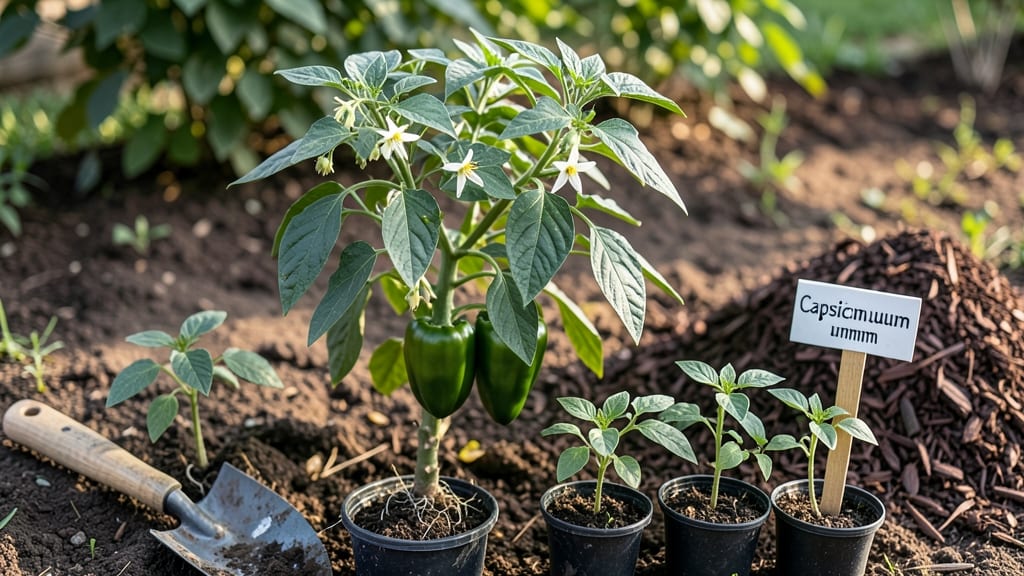
Timing your 🌶️ bell pepper planting in Alabama isn’t just about the calendar—it’s about beating the last frost while giving your plants the warm soil they crave. Skip the guesswork, and you’ll avoid stunted growth or pests that love Alabama’s humidity.
The key? Planting between mid-March and early April for transplants—or wait until April to May if starting from seeds.
But here’s the catch: Zone 7A gardeners in northern Alabama face frost risks until mid-March, while Zone 8B growers in the south can push planting a little earlier. Soil temperature matters just as much—wait until it hits 60°F before sticking those seedlings in the ground.
Get this right, and you’ll enjoy peppers from July to October without the stress.
I’ve tested these deadlines with Alabama Extension Service guidelines in mind, so you’re not flying blind. Whether you’re a first-time gardener or a seasoned pro, these exact windows will help you maximize your harvest. Let’s dive into the zone-specific details that make all the difference.
Ready to skip the trial-and-error? I’ll walk you through how to adjust for late springs, protect your plants from pests, and even stretch your season with simple tricks. No more wasted effort—just bold, healthy peppers all summer long.
Alabama bell pepper planting deadlines by heat zone (7A vs 8B)
Alabama’s USDA zones 7A and 8B create a 3-4 week difference in planting deadlines for bell peppers. In Zone 7A (north), late frosts linger until April 15-30, while Zone 8B (south) gardeners can start as early as March 15.
These differences matter because bell peppers won’t tolerate frost and need warm soil (60°F+) to thrive.
For both zones, transplants (store-bought seedlings) have a 2-week window after last frost, while direct-seeded peppers need soil temps above 70°F—typically late April to May. Below, I’ve broken down the exact planting deadlines by zone, including backup dates for unpredictable Alabama springs.
🌱 Pro Tip: Use a soil thermometer to confirm 60°F+ before planting—cold soil delays germination and stunts growth.
| Zone | Last Frost Date | Transplant Window | Direct Seed Window | Soil Temp Requirement | Backup Date (Late Spring) |
|---|---|---|---|---|---|
| 7A (North AL) | April 15-30 | May 1-15 | Late May | 60°F+ (15°C) | May 20-30 |
| 8B (South AL) | March 15-31 | April 1-15 | April 15-May 1 | 60°F+ (15°C) | May 1-10 |
In Zone 7A, I recommend starting transplants indoors by March 1 to give seedlings a head start before the May 1-15 outdoor transplant window.
For Zone 8B, you can plant transplants outdoors as early as April 1, but wait until April 15 for direct seeding to avoid cool soil delays.
If Alabama’s spring surprises you with late frosts (like the 2020 Easter freeze), use the backup dates in the table.
For example, in Zone 7A, if frost lingers past April 30, shift transplants to May 20-30—just avoid planting after June 1, or your peppers may bolt (flower prematurely) before harvest.
For successive planting, schedule a second batch 6-8 weeks after your first to extend harvests into fall. In Zone 8B, this could mean a July transplant for October harvests, while Zone 7A gardeners might aim for June transplants.
Always harden off seedlings for 7-10 days before transplanting—Alabama’s humidity and heat can shock tender plants. Morning transplanting (before 10 AM) reduces stress from afternoon heat.
Watch for pepper maggots and aphids, which thrive in Alabama’s warm, humid climate. Use row covers for young plants until they’re 6 inches tall to deter pests.
🌶️ Key Takeaway: Zone 8B gardeners can start 4 weeks earlier than Zone 7A, but both zones must wait for 60°F+ soil—no exceptions!
Alabama bell pepper planting deadlines by heat zone (7A vs 8B)
Alabama’s USDA Zones 7A and 8B create a 10-14 day difference in planting deadlines—miss this, and your peppers may bolt or rot. In Zone 7A (north), the last frost typically hits mid-March, so wait until early April to transplant seedlings.
Zone 8B gardeners in the south can plant 2 weeks earlier (late March) since frost is rare.
But timing isn’t just about frost—soil temperature is critical. Bell peppers need soil at 60°F or warmer to thrive. Use a soil thermometer to confirm before planting; cold soil stunts root growth and invites fungal diseases. Alabama’s spring soil warms unevenly, so test multiple spots in your garden.
For direct seeding (planting seeds outdoors), shift your window to April to early May. Seeds take longer to germinate in cool soil, and starting too early risks damping-off disease. If you’re impatient, start seeds indoors 8-10 weeks before your target outdoor date—just don’t let them get leggy!
| Factor | Zone 7A (North AL) | Zone 8B (South AL) |
|---|---|---|
| Last Frost Date | Mid-March | Early March |
| Safe Transplant Window | Early April | Late March |
| Direct Seed Window | April–Early May | March–April |
| Soil Temp Requirement | 60°F+ | 60°F+ |
| Backup Late-Spring Date | May 1 (if frost delays) | April 15 (if soil is slow to warm) |
Need a backup plan for late springs? Alabama’s humidity can delay soil warming. If frost lingers past mid-April, opt for container gardening—pots warm faster and let you move plants indoors if needed. Or try black plastic mulch to raise soil temps by 5-10°F in just days.
Pro tip: Succession plant every 2 weeks after your initial window to stagger harvests. This works especially well in Zone 8B, where you can squeeze in a fall crop by planting seeds in late July. Just use fast-maturing varieties like ‘Early California Wonder’ (60 days to harvest).
Remember, pest pressure spikes in Alabama’s heat. Plant your peppers after your tomato crop (if possible) to avoid verticillium wilt, and use row covers for the first 2 weeks to deter flea beetles. With these deadlines locked in, you’re set for a bountiful, pest-free harvest!