
Plants
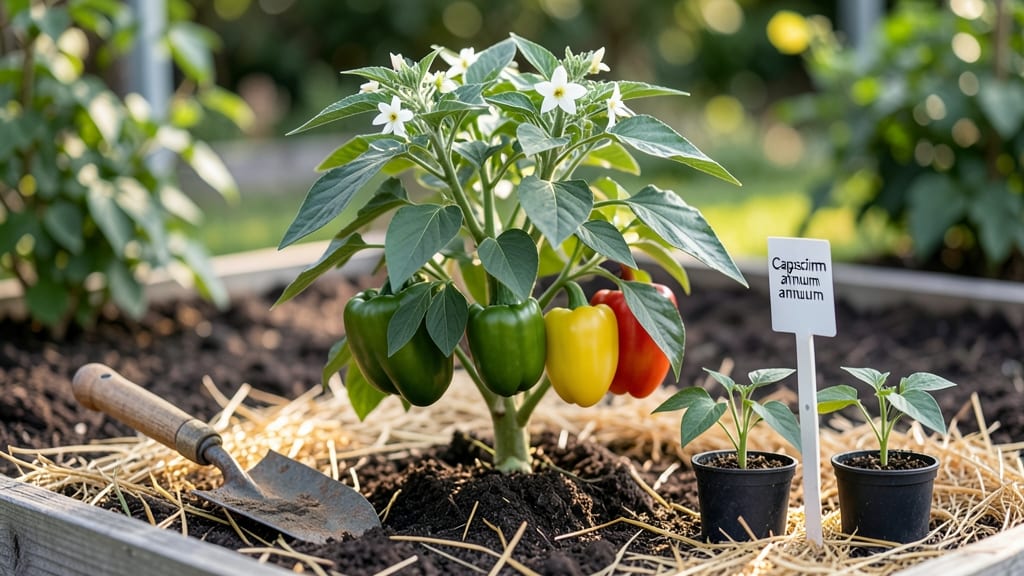
Timing your bell pepper 🌶️ planting in Virginia can mean the difference between a bumper harvest and wasted effort. With frost dates creeping in by mid-October, getting those seedlings in the ground at the right moment is critical—especially in zones 6a-7b where summers are short but sweet.
Most gardeners in Virginia swear by starting seeds indoors by March 15 to give peppers a head start, then transplanting after the last frost date—typically between April 15 and May 15. But if you're aiming for a fall harvest, don't miss the August 1-September 15 window for direct sowing.
Why does this matter? Bell peppers need at least 75 days of warm weather to mature, and planting too early risks frost damage while waiting too long cuts your harvest short. I’ll break down the exact deadlines for each Virginia zone and share pro tips to maximize your yield.
Ready to grow the juiciest, sweetest peppers in your garden? Let’s dive into the perfect planting schedule—and how to protect your crop from Virginia’s unpredictable weather.
Virginia bell pepper planting deadlines by USDA Zone (5-8)
Timing is everything when planting bell peppers in Virginia. The last frost date varies by zone, from late March in Zone 8 to early April in Zone 5. For optimal growth, wait until soil temperatures hit 60°F (15°C)—a soil thermometer is your best friend here.
Virginia spans USDA Zones 5-8, each with unique frost-free windows. In Zone 5, you’ll have fewer frost-free days (around 150 days), while Zone 8 enjoys up to 210 days. This means early-season varieties in cooler zones and longer-season varieties in warmer areas.
Here’s the exact planting schedule for each zone, including transplant windows and fall planting opportunities for a second harvest.
| Zone | Last Frost (Avg.) | Transplant Window | Fall Planting | Notes |
|---|---|---|---|---|
| 5a/5b | Late March - Early April | May 1 - May 15 | Aug 1 - Aug 15 | Use short-season varieties (60-70 days). |
| 6a/6b | Mid-April | April 15 - May 1 | Aug 15 - Sept 1 | Ideal for mid-season varieties (70-80 days). |
| 7a/7b | Early April | April 1 - April 15 | Sept 1 - Sept 15 | Supports longer-season varieties (80-90 days). |
| 8a | Late March | March 15 - April 1 | Sept 15 - Oct 1 | Best for heat-tolerant varieties and fall harvests. |
For Zone 5, stick to early-maturing varieties like ‘Early Cal Wonder’ (60 days) to avoid first frost in October. In Zones 7-8, you can push the season with late plantings in August for a fall harvest—just use row covers to shield from early cold snaps.
Always check your local frost dates using resources like the Virginia State Climate Office. A 5-day forecast before transplanting ensures you’re not caught by a surprise frost. Black plastic mulch can warm soil by 5-10°F, giving you an extra week or two of growing time.
If you’re starting seeds indoors, begin 8-10 weeks before your last frost date. Seedlings need 6-8 hours of light daily—a grow light is a game-changer if your windows are dim. Harden off seedlings for 7-10 days before transplanting to toughen them up.
Pro tip: Succession planting every 2 weeks after your initial transplant date ensures a continuous pepper supply. This works especially well in Zones 6-8, where the growing season is longer. Just space seedlings 18-24 inches apart for optimal airflow and disease prevention.
Remember, bell peppers hate cold soil. If your soil is still chilly, try warming it with black plastic or plant in raised beds, which heat up faster. Container growing is another great option for cooler microclimates—just use 5-gallon pots or larger.
Best bell pepper varieties for Virginia gardens (heat tolerance & disease resistance)
Virginia’s humid summers and occasional heat waves demand bell pepper varieties that can handle both high temperatures and disease pressure. I’ve grown dozens of varieties here, and these 8 top performers consistently deliver sweet, abundant harvests—even in Zones 5b-7b.
Look for types labeled as heat-tolerant or disease-resistant to avoid common issues like aphids and pepper maggots.
For containers or small spaces, dwarf varieties like ‘Pico de Gallo’ (bush-type) thrive in 5-gallon pots and produce mini bell peppers perfect for snacks. Meanwhile, ‘Carolina Wonder’—a classic Virginia favorite—handles our heat and humidity while resisting blossom end rot, a common problem in clay-heavy soils.
🌶️ Top 8 Bell Pepper Varieties for Virginia
If you’re growing in containers or raised beds, prioritize compact varieties like ‘Lunchbox’ or ‘Pico de Gallo’, which mature in just 55-65 days. For in-ground gardens, taller varieties like ‘Jupiter’ (resistant to pepper maggots) or ‘Aristotle’ (disease-resistant) produce heavier yields when staked or caged.
Pro tip: Plant ‘Carolina Wonder’ or ‘Sweet Banana’ in early May for a summer harvest, then succession-plant ‘Jupiter’ in late July to extend your season into fall. This two-pronged approach ensures peppers all year—just watch for aphids on late-season plants!
For heirloom lovers, ‘Golden California Wonder’ delivers yellow bell peppers with a sweet, nutty flavor, but it needs longer growing days (best for Zone 7b+). If you’re in Zone 5b-6a, stick with ‘Gypsy’ or ‘Aristotle’—they’re tougher and more reliable in cooler summers.