
Plants
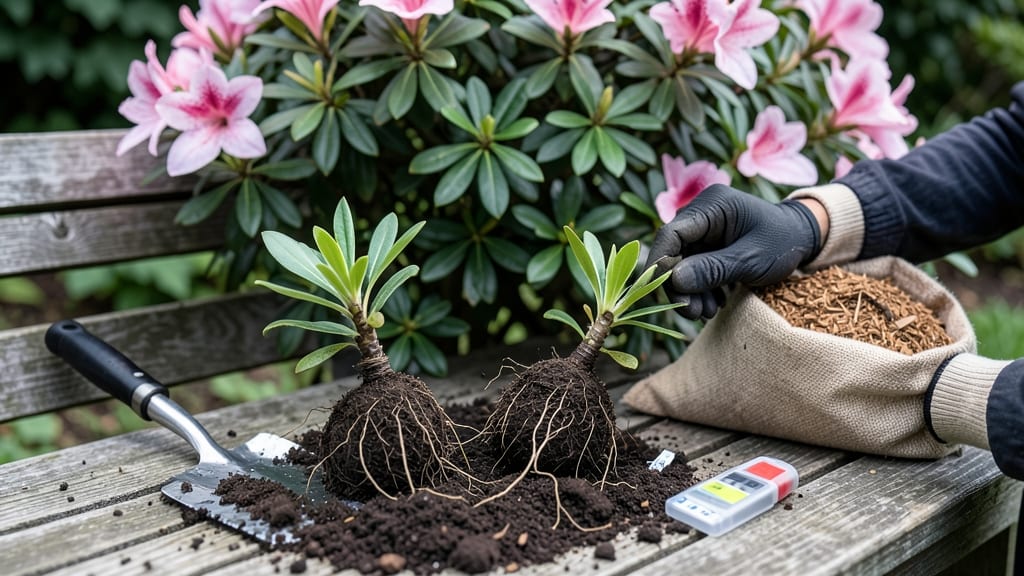
If you’ve ever planted azaleas in Atlanta only to watch them struggle through the first winter, you’re not alone—this humid subtropical climate demands precision timing. The difference between vibrant 🌸 blooms and wilting disappointment often comes down to when you put those roots in the ground.
Fall is your golden window for planting azaleas in Zone 7b-8a, but not just any fall timing will do. Atlanta’s heat lingers longer than you’d expect, and those extra weeks of warmth can make or break your shrub’s survival.
I’ll show you exactly when to dig in for stronger roots and healthier growth—plus how to adjust for microclimates across the city.
What most gardeners miss is how soil temperature, rainfall patterns, and even your yard’s elevation play into the perfect planting schedule. We’re talking about a 6-8 week window where conditions are just right—not too hot, not too cold—so your azaleas can establish before winter hits.
Ready to skip the guesswork? Let’s break down the ideal fall planting dates, soil prep secrets, and care tips that’ll have your azaleas thriving next spring—no matter where you live in Atlanta.
Ideal fall planting window for azaleas in Atlanta’s climate Zone
Atlanta’s USDA Zone 7b-8a climate creates a narrow but critical window for planting azaleas—late September through mid-November is your best bet. This 6-8 week window allows roots to establish before winter dormancy, while avoiding Atlanta’s brutal summer heat.
The key is soil temperatures between 60-70°F, which Atlanta typically hits by early October.
Northern Atlanta neighborhoods like Buckhead or Dunwoody may experience cooler microclimates, allowing planting into early December, while southern areas like Decatur or East Point should aim for mid-November. Always check your specific heat index—Atlanta’s humidity can make 80°F feel like 90°F, stressing young transplants.
Timing is everything: Planting too early (before September) risks transplant shock from summer heat, while waiting past November exposes roots to freeze damage. The goal is to give azaleas 4-6 weeks of warm soil before winter sets in.
| Planting Stage | Atlanta Timeline | Soil Temp | Key Consideration |
|---|---|---|---|
| Early Window | Late September | 65-70°F | Avoid summer heat stress |
| Prime Window | October-November | 60-65°F | Optimal root growth |
| Late Window | Mid-November | 55-60°F | Northern Atlanta only |
Atlanta’s clay-heavy soil drains poorly when saturated, so always plant azaleas in amended beds with organic matter. The city’s humidity levels (often 70%+) mean you’ll need to monitor for fungal diseases—choose disease-resistant varieties like ‘Girard’s Pink’ or ‘Southern Indica’ for better resilience.
Pro tip: Use a soil thermometer to verify temperatures—Atlanta’s urban heat islands can keep soil 10°F warmer than rural areas. Aim for 60°F minimum before planting to prevent root rot.
Once planted, mulch with 3-4 inches of pine bark to maintain moisture and acidity. This mimics Atlanta’s natural pine forests, where azaleas thrive. The mulch also insulates roots during winter temperature swings, common in Zone 7b.
Remember: Azaleas planted in fall will bloom next spring—earlier than spring-planted shrubs. This head start gives you 4-6 weeks of vibrant flowers before summer heat arrives. For maximum impact, coordinate planting with your neighborhood’s microclimate.
If you miss fall, early March is your second chance—but spring-planted azaleas often struggle with Atlanta’s late spring heat waves. Fall planting gives roots 6 months to establish before summer stress hits.
For container-grown azaleas, the fall window extends slightly later (through December) since their roots are less sensitive to cold. Just ensure pots are buried slightly in the ground to stabilize temperatures.
Critical factors that determine your azalea planting success in Atlanta
Atlanta’s clay-heavy soil and humid subtropical climate create unique challenges for azalea planting. The wrong conditions can lead to transplant shock or poor root development, even with perfect timing. Let’s break down the non-negotiable factors that separate thriving azaleas from struggling ones in our region.
First, soil pH is your biggest hurdle. Azaleas demand acidic soil between 4.5 and 6.0. Atlanta’s native soil often tests between 6.0 and 7.5, which is far too alkaline.
Without amending with sulfur or peat moss, your azaleas will struggle to absorb essential nutrients like iron and phosphorus, leading to yellowing leaves and weak growth.
Next, moisture levels must stay consistent but not soggy. Our heavy clay soil drains poorly when saturated, creating root rot risks. While azaleas prefer well-draining conditions, they also hate drying out completely.
Aim for 1-1.5 gallons of water per shrub every 7-14 days, adjusting for rainfall. A 3-inch layer of mulch helps maintain even moisture while suppressing weeds.
- 🌱 Ignoring soil pH: Planting in unamended Atlanta clay (pH 6.5+) without acidification.
- 💧 Overwatering: Letting clay soil stay waterlogged, causing root suffocation.
- ☀️ Full sun exposure: Placing azaleas in west-facing spots where afternoon heat scalds leaves.
- 🪴 Transplant shock: Planting in extreme heat (above 90°F) without proper acclimation.
Sunlight exposure requires careful attention in Atlanta’s intense summer sun. While azaleas tolerate partial shade, they need at least 4-6 hours of morning sunlight to bloom properly.
Avoid west-facing locations where afternoon sun can burn delicate foliage. East-facing spots or areas under high-canopy trees provide ideal filtered light conditions.
Finally, microclimate variations across Atlanta can shift your ideal planting conditions. Northern Atlanta neighborhoods (like Buckhead) experience slightly cooler temperatures, while southern areas (like Decatur) stay warmer longer.
If you’re in a heat island zone near downtown, plant azaleas 2 weeks earlier in fall to avoid transplant shock from residual summer heat.
To troubleshoot issues, check for yellow leaves (pH problem), drooping foliage (underwatering), or brown leaf edges (overwatering/salt buildup). Adjust your care immediately—azaleas recover poorly once stressed. With these factors mastered, your azaleas will establish roots quickly and reward you with vibrant spring blooms.