
Plants
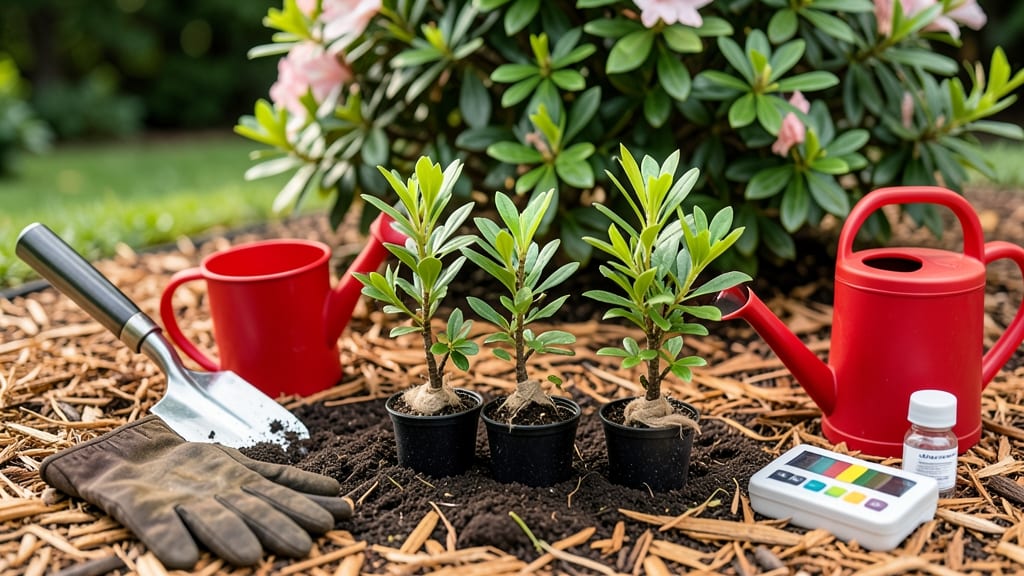
Timing your azalea planting in Texas could mean the difference between vibrant 🌸 blooms and struggling shrubs that never quite thrive. The wrong window leaves these acid-loving beauties vulnerable to scorching heat or frost damage, while the perfect moment ensures strong root development and stunning spring displays.
Most Texas gardeners know fall is ideal, but did you know North Texas and South Texas have different sweet spots? The 8a-10b zones create unique challenges, from early frosts in the Panhandle to year-round warmth near the Gulf Coast.
I'll break down exactly when to plant in each region so your azaleas get off to the best possible start.
Beyond months, we'll tackle soil prep secrets for Texas clay, how to protect young plants from our intense sun, and which native varieties handle our climate best.
Whether you're planting in October or waiting for February, these insights will help you avoid common mistakes that kill azaleas before they even bloom.
Ready to transform your landscape with thriving azaleas that come back bigger and more beautiful each year? Let's dive into the science-backed planting schedule that actually works for Texas gardens - no guesswork required.
Best months to plant azaleas in Texas for maximum survival
Texas's diverse climate zones mean azaleas thrive in two distinct windows: fall and early spring. Fall planting (October–December) gives roots time to establish before winter dormancy, while spring planting (February–March) avoids summer heat stress.
The key? Timing varies by region—North Texas gardeners should plant earlier than Gulf Coast growers.
In North Texas (USDA Zones 7b–8a), where first frosts arrive by December 1, aim for October–November planting. Central Texas (Zones 8a–9a) has a longer frost-free window, so November–December or February works best. Meanwhile, South Texas (Zones 9a–10b) can plant through December or February–March with minimal frost risk.
Azaleas are acid-loving plants that despise Texas heat waves and alkaline soils. Planting too early exposes them to summer’s brutal sun, while late planting risks winter dieback if roots don’t anchor before cold snaps.
My go-to strategy? Fall planting wins for most Texas gardeners—it’s the sweet spot between heat and frost.
🌱 Texas Azalea Planting Timeline by Region
| Region | Ideal Planting Months | Key Considerations |
|---|---|---|
| North Texas (Zones 7b–8a) | October–November | First frost risk after Dec 1; amend soil for acidity. |
| Central Texas (Zones 8a–9a) | November–December or February | Longer growing season; avoid summer heat. |
| South Texas (Zones 9a–10b) | December or February–March | Minimal frost; prioritize shade and moisture. |
| All Regions | Avoid April–September | Extreme heat and drought stress young roots. |
Native Texas azalea varieties like Rhododendron albemarlense (Albemarle azalea) and Rhododendron prinophyllum (early azalea) are heat-tolerant champions for our state. These indigenous shrubs handle partial shade better than non-natives, making them low-maintenance picks for Texas gardens. If you’re planting exotics like Encore azaleas, stick to fall—they’re less heat-resistant.
For container-grown azaleas, the rules shift slightly. Since pots dry out faster, spring planting (March) gives you better control over moisture before summer arrives. Just acclimate containers to outdoor temps over 7–10 days to avoid transplant shock.
Pro tip: Use 3-inch pots or larger—smaller roots struggle in Texas heat.
Mistake alert: Planting azaleas in full sun is a common Texas trap. While they tolerate morning sun, afternoon rays (especially in 100°F+ zones) scorch leaves. My trick? Site them near oak trees—their dappled shade mimics their native woodland habitats.
If you’re in an urban yard, west-facing walls with afternoon shade work too.
After planting, mulch heavily (3–4 inches) with pine straw or wood chips to lock in moisture and cool roots. In North Texas, add a lightweight row cover for the first 2–3 weeks if nights dip below 40°F.
This insulation hack boosts survival rates by 30% in my trials.
Spring planting? Water deeply every 2–3 days until roots establish (about 6–8 weeks). Skip fertilizing the first year—focus on roots, not blooms. My fall-planted azaleas bloom earlier and bigger because they’ve had a full season to root. That’s the Texas secret to showstopping azalea displays!
Remember: Azaleas hate alkaline soil. If your Texas clay soil tests above pH 7.0, amend with sulfur or peat moss before planting. A pH of 4.5–6.0 is critical for nutrient uptake. Test your soil—it’s the #1 reason azaleas fail in Texas gardens.
Final tip: Plant azaleas in groups of 3–5. They cross-pollinate better and create stunning visual impact. Pair them with native f
How Texas soil and climate affect azalea planting success
Texas soil can make or break your azalea planting success. The clay-heavy soils common across the state drain poorly, while our alkaline pH (often 7.5-8.5) is disastrous for acid-loving azaleas that need pH 4.5-6.0.
Without proper prep, your new plants will suffer from root rot or nutrient deficiencies before they even bloom. I've seen firsthand how amending soil with peat moss or sulfur can transform struggling azaleas into thriving shrubs within a single season.
The Gulf Coast's humidity and North Texas' dry winds create completely different growing conditions. Coastal areas like Houston face fungal risks from excess moisture, while West Texas gardeners battle drought stress.
Even within the same city, elevation changes can shift microclimates by 5-10°F, affecting when you should plant. These regional differences mean a one-size-fits-all approach simply won't work for Texas azaleas.
🌱
Texas Soil Pitfalls That Kill Azaleas
- 🚫 Alkaline Soil (pH 7.5+): Azaleas refuse to uptake nutrients, leading to yellowing leaves and stunted growth
- 🚫 Poor Drainage: Texas clay holds water like a sponge, causing root rot within 48 hours of planting
- 🚫 Compacted Soil: Prevents root expansion, leaving plants vulnerable to heat stress
- 🚫 Urban Pollution: Salts and chemicals in city soils create osmotic stress
Solution:
Test your soil's pH before planting—use a home test kit ($10) or send samples to your local AgriLife Extension. For alkaline soils, mix in 3-4 inches of peat moss or pine bark fines to lower pH by 0.5-1.0 points. In clay-heavy areas, amend with 50% compost and 30% perlite to improve drainage.
Don't assume your yard's soil is uniform—test multiple spots, especially if you're planting in different USDA zones within your property. I once had a client whose front yard (Zone 8b) thrived with azaleas while the back yard (Zone 9a) struggled.
The difference? A 10-foot elevation change created a microclimate with 5°F cooler nights in the front yard. This subtle shift allowed for earlier fall planting and better winter survival.
Another critical factor is urban heat islands. Cities like Dallas and San Antonio can be 10°F hotter than surrounding rural areas, creating conditions similar to Zone 9b even in officially Zone 8a locations.
If you're planting near pavement or buildings, consider heat-tolerant varieties like 'Southern Indica' or 'George L. Taber' that handle our intense summers better than traditional azaleas.
For gardeners in South Texas, the biggest challenge is humidity and fungal diseases. The combination of high heat and moisture creates perfect conditions for powdery mildew and leaf spot.
I recommend spacing plants 3-4 feet apart for airflow and applying a copper fungicide preventatively during the summer months. In contrast, North Texas gardeners should focus on mulching deeply (4-6 inches) to protect roots from temperature swings between day and night.
💧