
Plants
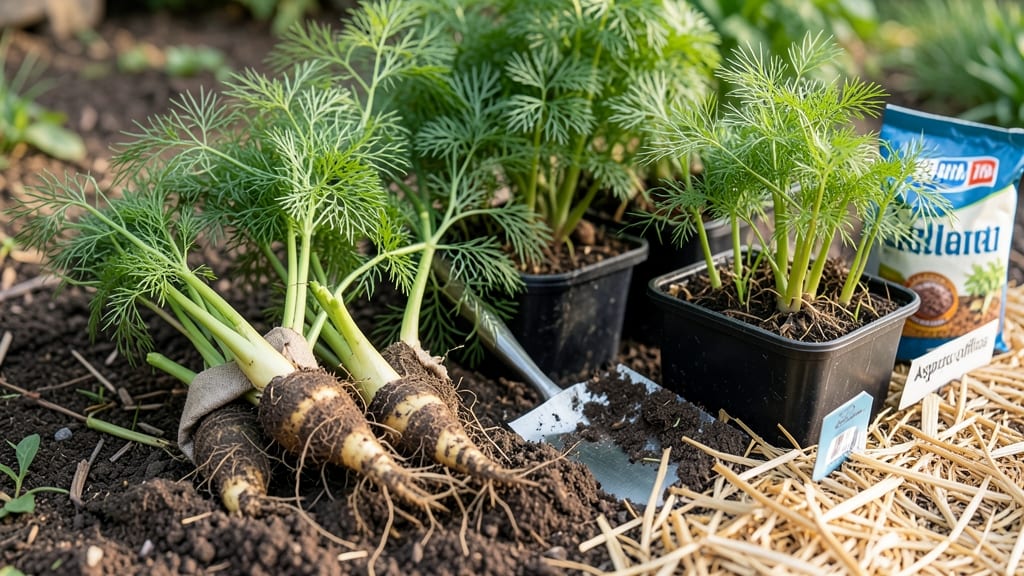
Planting asparagus in Florida at the wrong time could mean waiting three years for your first harvest—or worse, losing your crop to summer heat.
The key to fast, healthy roots lies in timing it right for your specific zone, whether you're in North Florida's cooler winters or South Florida's frost-free growing.
Most Florida gardeners swear by planting asparagus crowns in late winter to early spring—that's February to March—when soil temperatures hit 60°F and the risk of frost has passed.
This window gives your spears a head start before summer's intense heat sets in, ensuring strong root establishment for faster harvests in just two seasons.
But here's the catch: North Florida's 9a zone needs extra care to avoid late-winter freezes, while South Florida's 11 zone can plant almost year-round with minimal risk.
I'll break down the exact months for each zone, plus soil prep secrets to make your asparagus thrive despite Florida's sandy soils and humidity challenges.
Ready to skip the waiting game? Let's dive into the zone-specific schedule that'll have you enjoying fresh spears by next spring—without the guesswork.
Best months to plant asparagus in Florida by hardiness zone
Florida’s three USDA hardiness zones (8A, 8B, 9A) create distinct planting windows for asparagus. Unlike northern climates, Florida’s mild winters and long growing season mean you can plant asparagus twice a year—but timing is critical to avoid summer heat stress or winter dieback.
The ideal window is late winter to early spring, when soil temperatures stabilize above 50°F (10°C).
In North Florida (Zone 8A), where frost can linger until mid-January, aim for February to early March planting. This gives roots time to establish before summer’s intense heat.
Meanwhile, Central Florida (Zone 8B) and South Florida (Zone 9A) can plant as late as March to April, with minimal frost risk. However, planting in May or June risks poor root development before summer’s arrival.
Asparagus crowns need 60-80 days of cool soil temperatures (60-70°F or 15-21°C) to establish roots before summer heat sets in. Planting too early in January risks frost damage, while planting too late (after April) may lead to weak roots struggling in Florida’s 90°F+ summers.
The key is to time planting so roots are fully established by May.
Here’s a zone-specific breakdown of the best planting months, soil temperature triggers, and frost risk to maximize your first harvest in Year 2 or 3:
| Zone | Best Planting Months | Soil Temp Trigger | Frost Risk | First Harvest Window |
|---|---|---|---|---|
| 8A (North FL) | February - Early March | 50-60°F (10-15°C) | Low (Jan 15) | Spring 2025 (Year 2) |
| 8B (Central FL) | March - Early April | 55-65°F (13-18°C) | Minimal (Dec 1) | Spring 2025 (Year 2) |
| 9A (South FL) | March - April | 60-70°F (15-21°C) | None | Spring 2025 (Year 2) |
For South Florida growers (Zone 9A), you can also experiment with a fall planting in September, but this is riskier due to hurricane season and higher humidity. If you choose this route, select disease-resistant varieties like ‘Jersey Knight’ or ‘Purple Passion’ and use raised beds for better drainage.
However, spring planting remains the gold standard for reliable harvests.
Pro tip: Use a soil thermometer to confirm soil temps are consistently above 50°F (10°C) before planting. In Florida’s sandy soils, this can happen as early as late January in South Florida but may not occur until mid-March in North Florida.
Patience here ensures stronger roots and earlier harvests.
Once planted, asparagus crowns take 2-3 years to reach full production, but proper timing in Florida’s climate can cut that window by up to 6 months. The first year is all about root establishment, so avoid harvesting any spears—even if they emerge.
Let those roots grow deep to support abundant spears in Year 2 and beyond.
Florida’s humidity and pests (like asparagus beetles) also play a role in timing. Planting in early spring helps avoid the worst of summer heat stress and gives you a head start on pest prevention with early-season monitoring.
Next, we’ll cover how to prep your soil and beds for maximum root health before planting.
🌱
Pre-planting preparation for Florida’s unique soil conditions
Florida’s sandy soils and high humidity can turn asparagus planting into a high-stakes gamble if you skip prep. Unlike northern climates, our well-draining but nutrient-poor soils need extra attention to prevent crown rot and accelerate harvest times.
The key? Amending soil 4-6 weeks before planting to create the perfect balance of moisture retention and aeration.
Start by testing your soil’s pH level—asparagus thrives between 6.5-7.5. Florida’s native soils often skew acidic, so add lime (1-2 lbs per 100 sq ft) if needed. For sandy areas, mix in 2-3 inches of compost or aged manure to improve water retention without suffocating roots.
Here’s the critical step most Florida gardeners miss: Raised beds work wonders in our humid climate. Build beds 6-12 inches high using a mix of native soil, compost, and coconut coir. This prevents waterlogging during Florida’s summer downpours while keeping roots cool.
⚠️ Florida-Specific Warning
Never plant asparagus in low-lying areas where water pools. Florida’s humidity + poor drainage combo creates the perfect storm for root rot. If your yard floods after heavy rain, opt for container growing with drainage holes.
Choose disease-resistant crowns like 'Mary Washington' or 'Purple Passion'—these varieties handle Florida’s heat and humidity better than standard types. Soak crowns in water mixed with fungicide for 30 minutes before planting to prevent fungal infections during Florida’s steamy spring.
For extra insurance, apply a 2-inch layer of mulch (straw or pine needles) after planting. This keeps soil temps stable, reduces weed competition, and prevents spears from turning woody—a common issue in Florida’s hot summers. Mulch also helps retain moisture during our dry spells.
Pro tip: If your soil feels clay-heavy (common in central Florida), mix in perlite or vermiculite to improve drainage. Asparagus roots need oxygen, and compacted clay soils can strangle them before they establish. Test your soil’s texture—if it forms a ball when wet, it’s too dense.