
Trees
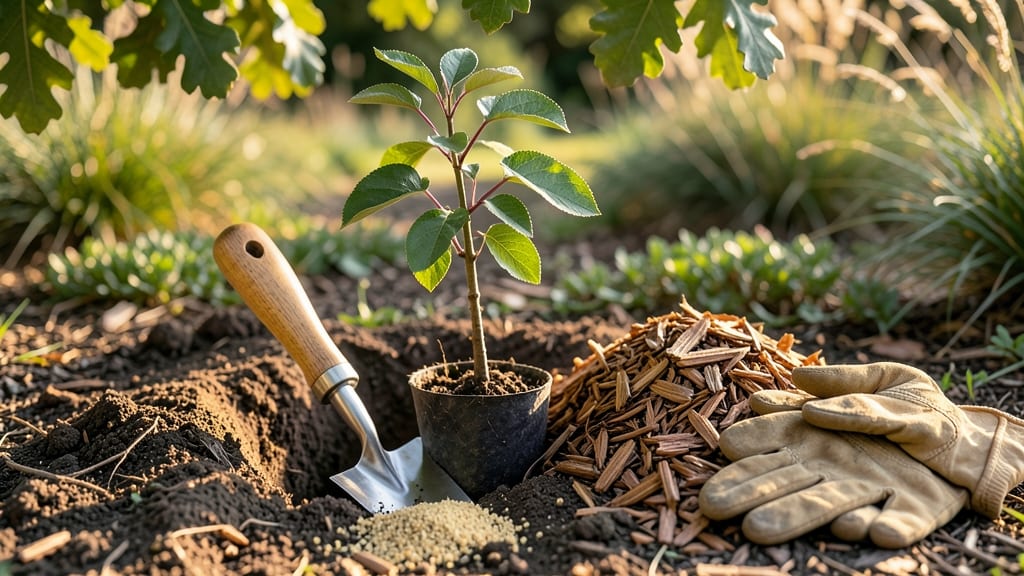
Planting an apple tree 🍎 in Connecticut at the wrong time can mean the difference between a thriving orchard and a sad, struggling sapling. The key to success lies in understanding when Connecticut’s 5b-6b climate shifts from frost danger to ideal growing conditions.
Most gardeners in Connecticut know timing matters, but few realize just how critical it is for apple trees. Planting too early risks frost damage, while waiting too long can stunt root growth before winter sets in. The solution? A strategic approach that aligns with Connecticut’s unpredictable spring weather patterns.
In this guide, I’ll walk you through the exact planting windows—both spring and fall—that work best for Connecticut’s climate. You’ll learn how to prepare your soil, choose the right varieties, and protect your young tree from late frosts and hungry deer.
Whether you’re a first-time gardener or a seasoned orchard keeper, these insights will help you plant with confidence and set your apple tree up for years of fruitful harvests. Let’s get started!
Best planting months for apple trees in Connecticut’s Zone 5-6 climate
Planting your apple tree at the right time in Connecticut’s Zone 5-6 climate is critical for survival and long-term success. The ideal windows are early spring (March-April) or early fall (September-October), when soil temperatures are cool but workable and frost risks are minimized.
These periods align with Connecticut’s last frost date (mid-April) and first frost date (mid-October), giving young roots time to establish before extreme temperatures arrive.
Spring planting (March-April) lets your tree take full advantage of Connecticut’s 165 frost-free days, while fall planting (September-October) allows roots to grow before winter dormancy. Both strategies work, but fall planting is often preferred for bare-root trees because cooler soil reduces transplant shock.
For container-grown trees, spring planting is safer to avoid winter stress.
Timing matters because Connecticut’s variable weather can delay or advance frost dates. Check your local USDA Zone 5b-6b frost calendar—some years, the last frost arrives as late as May 1, while early frosts can hit by October 15.
Planting too early risks frost damage, while planting too late limits root development before winter.
Here’s how to align your planting with Connecticut’s climate:
For bare-root trees, Connecticut nurseries typically stock them in fall (September-October) for planting before winter dormancy. If you miss this window, wait until early spring (March-April) to avoid transplant shock. Container-grown trees, on the other hand, are available year-round but thrive best when planted in spring.
Connecticut’s clay-heavy soils can delay warming in spring, so use a soil thermometer to confirm temperatures are above 40°F (4°C) before planting. In Zone 5b (northern CT), aim for March-April planting, while Zone 6b (southern CT) can extend the window slightly later.
Always choose a sunny, well-drained spot—apple trees need 6–8+ hours of sunlight daily to thrive.
Local CT nurseries like Hilltop Nursery (North Haven) or Litchfield County Nursery (Torrington) stock apple trees in both bare-root and container forms. Call ahead to confirm availability—some may limit fall sales if frost is forecasted early.
Pro tip: Dwarf varieties (like ‘Liberty’ or ‘Enterprise’) establish faster and are ideal for small CT yards.
After planting, mulch heavily (3–4 inches of wood chips) to insulate roots and retain moisture. In Zone 5b, protect young trees with tree wraps or burlap sacks during winter to prevent sunscald.
With the right timing and care, your apple tree will reward you with harvests in 3–5 years—starting with ‘McIntosh’ or ‘Cortland’ varieties that mature early in CT’s short season.
🍎
Best planting months for apple trees in Connecticut’s Zone 5-6 climate
Connecticut’s Zone 5b-6b climate demands precise timing for planting apple trees—too early risks frost damage, while late planting stunts root growth. The ideal windows are early spring (March-April) or early fall (September-October), aligning with soil warmth and frost-free periods.
Spring planting (after last frost, typically mid-April) gives roots time to establish before summer heat. Fall planting (by October 15) allows roots to grow before winter dormancy, but avoid planting too late when ground freezes.
Soil temperature is critical—roots need 40°F+ to thrive. Use a soil thermometer to confirm warmth before planting. In CT, spring soil warms to this threshold by late March to early April, depending on microclimate.
🌱 Connecticut Apple Tree Planting Timeline
| Season | Planting Window | Soil Temp Requirement | Key Consideration |
|---|---|---|---|
| Early Spring | March–April | 40°F+ | After last frost, before buds swell |
| Early Fall | September–October | 50°F+ | 6 weeks before first frost |
Bare-root trees (common in CT nurseries) thrive in spring planting—their roots establish faster in moist soil. Container-grown trees offer flexibility; plant them anytime soil isn’t frozen, but spring is still best for root zone expansion.
Missed the spring window? Don’t panic—fall planting works well if you act early. Just ensure 6-8 weeks remain before first frost (typically mid-October in CT) to allow root establishment before winter dormancy.
Pro tip: Check local frost dates via the CT Agricultural Experiment Station or NOAA for your specific region. Microclimates (e.g., coastal vs. inland) can shift ideal planting by 2-3 weeks.