
Plants
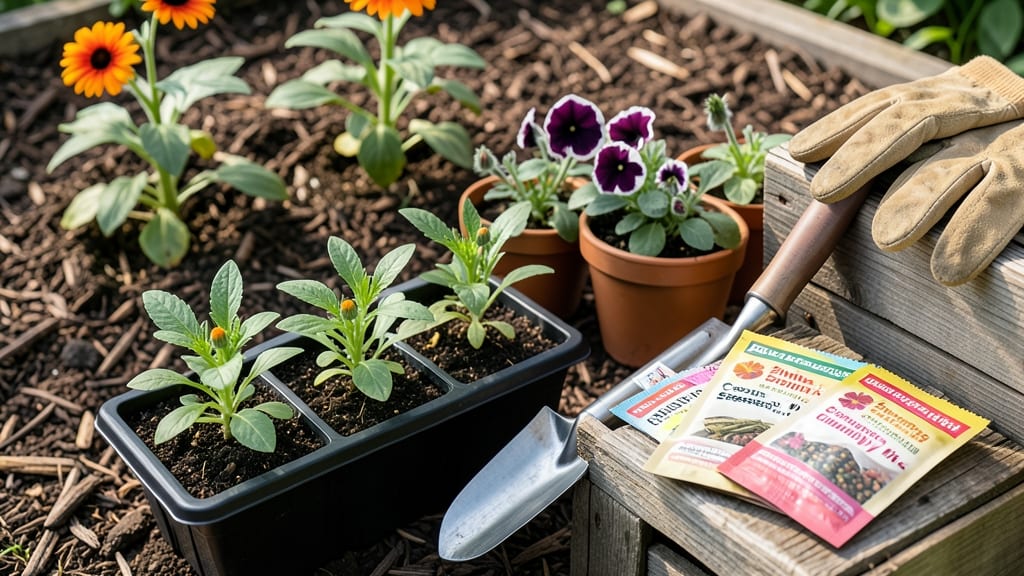
Timing when to plant annuals in Virginia just right can mean the difference between a garden bursting with color and one that fizzles before summer even begins. With three distinct climate zones—from the humid Coastal Plain to the cooler Appalachian Mountains—knowing the perfect planting window feels like cracking a code.
I’ve spent years watching gardens thrive (and flop) across Virginia, and the key always comes down to soil temperature, last frost dates, and which annuals play best in your specific zone.
Whether you’re dreaming of petunias or snap peas, getting this right means more blooms, bigger harvests, and fewer trips to the garden center for replacements.
Let’s break it down by region so you can plant with confidence—no more guessing games or wilted seedlings.
From the 2-week window before your last frost in the Tidewater to the extended fall plantings in the mountains, I’ll show you exactly when to put those seeds (or seedlings) in the ground for maximum impact.
Ready to transform your yard into a nonstop show of color and flavor? Grab your gloves—we’re diving into the game-changer for Virginia gardeners.
Virginia planting zones: when to start annuals by region (5a-8a)
Virginia’s diverse climate—from the humid Coastal Plain to the cooler mountain regions—means planting deadlines vary dramatically. Understanding your USDA hardiness zone (5a-8a) is the first step to timing annuals perfectly for maximum bloom potential.
Whether you're in Richmond (7a) or Roanoke (6b), knowing your last frost date and heat tolerance of varieties will prevent wasted effort.
Most Virginia gardeners rely on average last frost dates to guide spring plantings, but microclimates (like urban heat islands) can shift these by 1-2 weeks. For example, Coastal Plain zones (7b-8a) often see frost-free soil by mid-March, while mountain zones (5a-6a) may wait until late April.
This variation explains why petunias thrive in Norfolk but struggle in Blacksburg without adjustments.
Here’s how to align your planting with Virginia’s zones—plus the heat-tolerant annuals that perform best in each region.
| USDA Zone | Region Examples | Last Frost Date | Ideal Planting Window | Heat-Tolerant Annuals | Fall Planting Deadline |
|---|---|---|---|---|---|
| 5a-6a | Mountains (Roanoke, Bristol) | Mid-April to May 15 | May 1–June 15 | Marigolds, Zinnias, Snapdragons | September 1–15 |
| 6b-7a | Piedmont (Charlottesville, Lynchburg) | March 15–April 1 | April 15–May 15 | Petunias, Vinca, Lantana | September 15–October 1 |
| 7b-8a | Coastal Plain (Norfolk, Richmond) | February 15–March 1 | March 15–April 15 | Geraniums, Portulaca, Salvia | October 1–15 |
For zone 5a-6a gardeners, cool-season annuals like pansies can handle light frosts, but wait until soil warms to 50°F for heat-lovers like celosia. In zone 7b-8a, you can even plant tropical annuals like browallia as early as February under frost cloth.
Fall plantings follow the reverse logic: aim to establish roots 6-8 weeks before first frost. In zone 5a, this means late August for marigolds; in zone 8a, you can push it to mid-October.
Always check local extension office data—Virginia’s first frost can vary by 2 weeks year to year.
One game-changer for Virginia gardeners is succession planting. In zone 7a, for example, you can plant cosmos in March, zinnias in May, and sunflowers in July for nonstop color. This strategy works best when paired with slow-release fertilizer to avoid nutrient competition.
Don’t overlook container gardening for zones with short growing seasons. Pots warm up faster in spring and can be moved to protected microclimates (like patios) to extend the season. For instance, geraniums in containers in zone 6b can bloom until November if brought indoors before frost.
If you’re new to Virginia gardening, start with heat-tolerant, fast-growing annuals like cosmos or marigolds—they forgive minor timing mistakes. For high-stakes blooms (think petunias or impatiens), use weekly frost alerts from apps like Old Farmer’s Almanac to adjust your schedule.
Remember: soil temperature matters more than air temperature. A 55°F soil in March might be safe for snapdragons, while 65°F+ is needed for begonias. Test with a soil thermometer—it’s the #1 tool for Virginia annual success.
Best annual flowers for Virginia’s climate and how to time their planting
Choosing the right annual flowers for Virginia isn’t just about picking pretty blooms—it’s about matching them to your zone’s planting windows and heat tolerance.
In the Coastal Plain (Zone 8a), where summers sizzle, heat-loving varieties like zinnias and marigolds thrive when planted after the last frost date (mid-March to early April). Meanwhile, petunias and impatiens prefer cooler Piedmont (Zone 7a) springs, so they go in late April to early May.
Timing matters because planting too early risks frost damage, while waiting too long can leave you with wilting plants before summer’s peak. For example, cosmos and sunflowers love Virginia’s long, hot summers, so they’re best sown directly into warm soil (60°F+) in May or June.
But pansies and snapdragons are cool-season champions—plant them in early spring or late summer for fall blooms.
Here’s my pro tip: Use succession planting for continuous color. Start with cool-season annuals (March-April), then transition to heat-tolerant varieties (May-June), and finish with fall-blooming picks (August-September). This keeps your garden vibrant from spring to frost.
🌱 Top Annuals for Virginia + Planting Timeline
Heat-lovers; plant May-June after last frost.
Cool-season; set out April-May in Piedmont.
Versatile; sow April-June for year-round blooms.
Drought-tolerant; direct-sow May-June.
Cool-season; plant March or August-Sept.
Don’t overlook soil prep—Virginia’s clay-heavy soils need amendments like compost or sand to improve drainage. Before planting, mix in 2-3 inches of compost and a balanced fertilizer (10-10-10) to give annuals a strong start. For container gardening, use a lightweight potting mix to prevent root rot.
Protect young seedlings from late frosts with row covers or wait until nighttime temperatures stay above 50°F. In the mountains (Zone 6a), extend your season by starting cool-season annuals indoors in February or use black plastic mulch to warm the soil faster.
With the right annuals and timing, your Virginia garden can bloom nonstop—from spring’s pastel pansies to summer’s fiery zinnias and fall’s golden marigolds. The secret? Know your zone, prep your soil, and plant on schedule.