
Companion Plants
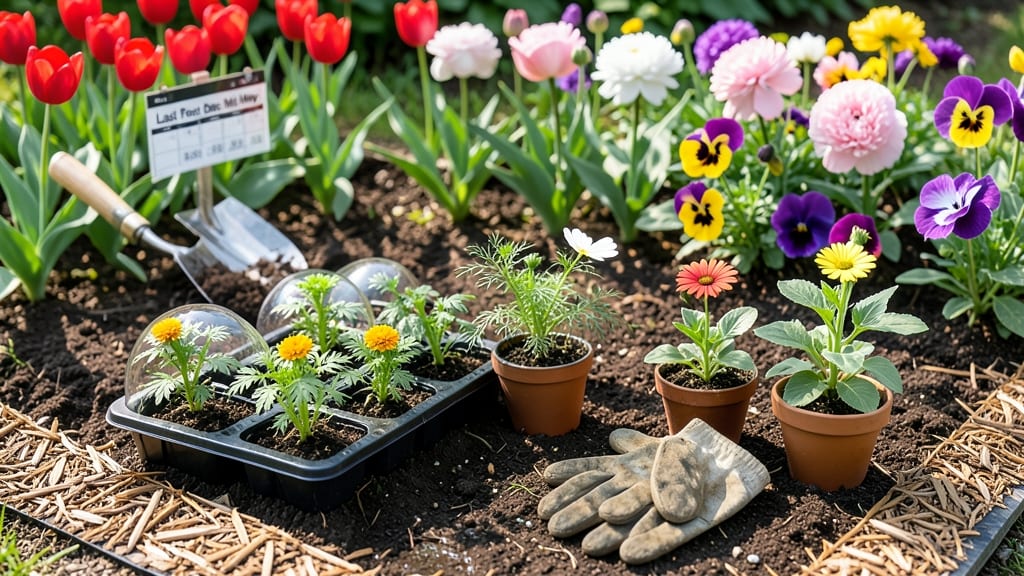
If you're wondering "when can I plant annuals in Zone 5", timing is the secret to a thriving garden - and getting it wrong means wasted seeds or stunted growth.
Zone 5's short growing season demands precision, but with the right approach, you can enjoy vibrant 🌸 blooms and bountiful harvests all summer long.
The key is waiting for that magical last frost date, typically around mid-April, but soil temperature matters just as much. Planting too early when the ground is still chilly can leave tender annuals vulnerable, while waiting until June might cut your harvest short.
I'll show you exactly how to read the signs and adjust your schedule for both spring and fall plantings.
Some annuals are tougher than others - hardy varieties like snapdragons and sweet peas can handle cooler soils, while heat-lovers like tomatoes need to wait until the ground warms to 50°F.
We'll break down the best strategies for extending your growing season, whether you're planting in containers or directly in the ground.
Ready to transform your garden from "meh" to "wow"? Let's dive into the perfect planting timeline that will have your annuals flourishing all season long - no more guesswork, just beautiful results.
Zone 5 last frost dates: when to plant annuals by region
Understanding last frost dates in Zone 5 is the first step to planting annuals successfully. These dates vary by subregion—from Chicago’s later frost dates to Minneapolis’s earlier ones—so knowing your local average helps you avoid frost damage while maximizing your growing season.
Most of Zone 5 experiences its last spring frost between April 15 and May 15, but cooler Zone 5a areas (like northern Michigan) may wait until May 1.
For warm-season annuals like tomatoes and marigolds, wait until 2 weeks after your average last frost date. Cool-season annuals such as pansies or lettuce can handle light frosts and may even tolerate soil temperatures as low as 40°F.
Always check your local frost calendar—tools like the National Weather Service or Almanac’s Frost Dates provide hyper-localized data. Planting too early risks frost damage, while waiting too long shortens your harvest window.
🌱
Zone 5 Last Frost Dates by Region
| Region | Last Spring Frost | First Fall Frost | Planting Window |
|---|---|---|---|
| Chicago, IL | April 25 | October 15 | May 10 - June 1 |
| Minneapolis, MN | May 10 | September 25 | May 25 - June 10 |
| Pittsburgh, PA | April 15 | October 30 | April 30 - May 15 |
| Detroit, MI | April 20 | October 20 | May 5 - May 20 |
| Denver, CO | April 30 | October 5 | May 15 - June 1 |
Note: Zone 5a areas (e.g., northern MN, UP Michigan) may have 2-3 weeks later frost dates.
In Zone 5b (warmer subregions like Northern Indiana or Southern Wisconsin), you can start planting heat-loving annuals like basil or sunflowers as early as May 1. However, always verify soil temperature—most annuals need soil to warm to at least 50°F before planting.
Use a soil thermometer to confirm readiness, especially for vegetable annuals like peppers or eggplants, which thrive in 60-70°F soil.
For container gardening, timing is slightly more flexible because pots warm up faster than in-ground soil. You can plant tender annuals in containers 1-2 weeks earlier than in the ground, provided they’re sheltered from late frosts with row covers or a cold frame.
This is especially useful for herbs like cilantro or flowers like petunias, which can handle cooler temperatures.
If you’re unsure about your local frost date, use the 32°F rule: Wait until the average daily low is consistently above 32°F for at least 5 consecutive days. This reduces the risk of late-season frost damaging your newly planted annuals.
For extra safety, keep seedling trays indoors until the last frost date has passed, then transplant outdoors after hardening off for 7-10 days.
🌿
Pro tip: Stagger your plantings for a continuous bloom. For example, plant marigolds every 2 weeks from May to July to ensure nonstop color through fall. Similarly, vegetable annuals like bush beans or zucchini benefit from successive plantings to extend harvests.
This strategy works especially well in Zone 5, where the growing season is short but sweet.
Remember, microclimates play a role too. South-facing slopes warm up faster and may be safe for planting 1-2 weeks earlier than the rest of your yard. Conversely, low-lying areas or northern exposures can stay colder longer.
Observe your garden’s sun exposure patterns and adjust planting dates accordingly. With these frost-free guidelines, you’ll be well on your way to a vibrant Zone 5 garden bursting with annuals!
Zone 5 last frost dates: when to plant annuals by region
Zone 5's last frost dates vary dramatically across its 1,300-mile span, from Minneapolis' chilly May 15 to Pittsburgh's slightly warmer April 25. These dates aren't just numbers—they determine whether your marigolds or tomatoes survive their first week in the ground.
For example, Chicago's Zone 5b typically sees its last frost around April 15, while Duluth's Zone 4b edge (just outside Zone 5) often waits until May 10.
Even within Zone 5, microclimates create significant differences. A south-facing slope might warm up 2 weeks earlier than a low-lying valley, and urban areas often experience urban heat islands that delay frost.
Always check your local USDA Zone (5a vs. 5b) and use tools like the National Weather Service's frost prediction maps for precise timing.
For cool-season annuals like pansies or lettuce, you can plant as early as 4-6 weeks before your last frost date—often in early April—since they tolerate light frosts.
However, warm-season crops like peppers and eggplants need to wait until the soil reaches at least 60°F, which in Zone 5 usually means after Memorial Day (late May).
| Region | Avg. Last Frost | Safe Planting Window | Soil Temp. Threshold |
|---|---|---|---|
| Chicago, IL (Zone 5b) | April 15 | April 25 - May 10 (cool crops) | 45°F (cool crops) / 60°F (warm crops) |
| Minneapolis, MN (Zone 4b/5a) | May 10 | May 15 - June 1 (cool crops) | 50°F (cool crops) / 65°F (warm crops) |
| Pittsburgh, PA (Zone 6a/5b) | April 25 | May 1 - May 15 (cool crops) | 40°F (cool crops) / 55°F (warm crops) |
| Des Moines, IA (Zone 5a) | April 20 | April 25 - May 5 (cool crops) | 50°F (cool crops) / 60°F (warm crops) |
| Detroit, MI (Zone 6a) | April 10 | April 20 - May 1 (cool crops) | 45°F (cool crops) / 58°F (warm crops) |
🌱 Pro Tip: Use a soil thermometer—not just calendar dates—to confirm readiness for warm-season plants.
If you're planting containers, you can often push the envelope by 2 weeks earlier since pots warm up faster than soil. However, direct-sown seeds need consistent ground temperatures, so don't rush them.
For example, in Zone 5a, I always wait until May 15 to plant tomato seedlings, even if the air feels warm, because cold soil can stunt their roots for weeks.
For fall plantings, aim to sow warm-season annuals like cosmos or zinnias by July 15—they'll bloom until the first frost (usually October 15). Cool-season varieties like kale or radishes can even handle light frosts, so you can extend your harvest well into November in sheltered spots.
Remember: False springs are Zone 5's worst enemy. Even if temperatures spike in March, a late frost can wipe out tender seedlings. Use frost cloth or wait until after May 1 to plant heat-lovers like peppers—it's better to be 2 weeks late than 1 day too early.