
Companion Plants
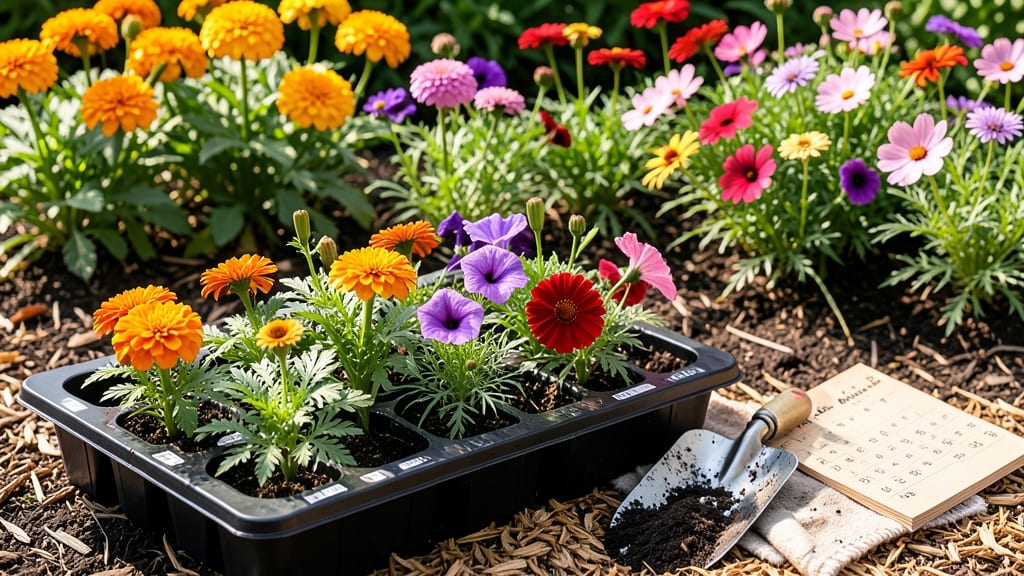
Timing your annuals planting in Zone 6 can make or break your garden’s success—especially when you’re waiting for those first tomatoes or vibrant marigolds 🌸 to thrive. One wrong move, and frost can turn your hard work into a sad, wilted memory.
The good news? With the right schedule, you can avoid common mistakes and enjoy a garden that blooms all season long.
Zone 6’s last frost dates (typically around mid-April) signal the perfect moment to start planting warm-season favorites like peppers and basil. But did you know some cool-season crops, like lettuce or spinach, can actually handle a light frost?
I’ll break down the exact windows so you never miss a beat—whether you’re a first-time gardener or a seasoned pro looking to refine your timing.
Beyond frost dates, microclimates play a huge role. Urban areas might warm up faster than rural spots, and high-altitude gardens in Zone 6 can have earlier frost risks.
I’ll share how to adjust your planting strategy based on your specific location, plus pro tips for extending your growing season with row covers and cold frames.
Ready to transform your garden from "meh" to "wow"? Let’s dive into the exact planting schedule for every type of annual—so you can enjoy fresh veggies, fragrant herbs, and show-stopping blooms all summer long. Your garden’s best season starts now!
Zone 6 last frost dates: exact timelines for cold-hardy vs. heat-loving annuals
In Zone 6, the last frost date typically falls between April 15 and May 15, but this can shift by 2-3 weeks depending on your exact location within the zone.
For example, 6a regions (colder microclimates) may see frost until May 10, while 6b areas (warmer) might be frost-free by April 20. Checking your local USDA Plant Hardiness Zone Map or using a frost calendar from your state agricultural extension ensures precision.
This timeline difference directly impacts which annuals you can plant. Cool-season crops like lettuce and peas thrive when planted 4-6 weeks before the last frost, while warm-season plants (tomatoes, peppers) need soil temperatures of 60°F+ and no frost risk for at least 2 weeks after transplanting.
Urban gardens often experience earlier warming due to heat islands, so adjust your schedule accordingly.
Pro Tip: Use a soil thermometer to confirm 60°F+ soil temps before planting heat-loving annuals. Cold soil delays germination and stunts growth, even if air temperatures seem warm. For Zone 6b, this usually means waiting until mid-May, while Zone 6a gardeners may need to hold off until early June.
| Plant Type | Last Frost Planting Window | Soil Temp Requirement | Notes |
|---|---|---|---|
| Cool-Season Annuals | 4-6 weeks before last frost (Mar 15 - Apr 15) | 40-50°F | Lettuce, spinach, peas, radishes |
| Warm-Season Annuals | 2 weeks after last frost (May 1 - Jun 1) | 60°F+ | Tomatoes, peppers, cucumbers, basil |
| Tender Annuals | After soil reaches 70°F (Jun 15 - Jul 1) | 70°F+ | Marigolds, petunias, impatiens |
| Fall Annuals | 8-10 weeks before first frost (Jul 15 - Aug 15) | 50-60°F | Cosmos, zinnias, kale, Swiss chard |
🌱 Key: Adjust dates 1-2 weeks earlier for Zone 6b or later for Zone 6a.
For urban gardeners, microclimates play a huge role. South-facing walls, paved surfaces, and lack of tree shade can create 5-10°F warmer pockets, allowing you to plant heat-loving annuals 1-2 weeks earlier.
Conversely, low-lying areas or shady spots may experience frost 10-14 days later. Use a frost-sensitive plant like coleus as an early warning system—if it survives a night, frost is unlikely.
Another critical factor is seed starting indoors. For warm-season crops, begin seeds 6-8 weeks before your last frost date. For example, in Zone 6a, start tomato seeds indoors by March 15 to transplant outdoors by May 1.
Use a grow light or sunny windowsill to ensure strong seedlings. Herbs like basil and vegetables like peppers benefit from this head start, as they need a longer growing season to mature.
If you're unsure about your exact last frost date, consult your local cooperative extension service—they provide hyper-local data based on decades of records. For example, Chicago (Zone 6a) averages a last frost of April 28, while Raleigh (Zone 6b) sees frost-free conditions by April 15.
These differences can mean the difference between a bountiful harvest and wilted seedlings.
For fall planting, aim to sow cool-season annuals 8-10 weeks before your first frost (typically October 15). This gives plants like kale and Swiss chard enough time to mature before winter sets in.
Use row covers to extend the season by 2-4 weeks, protecting tender plants from early frosts. Marigolds and zinnias are excellent choices for late summer/fall color and can often survive light frosts.
Remember, Zone 6's growing season spans roughly 165 frost-free days. Plan your annual planting schedule to maximize this window: start with cool crops in spring, transition to warm crops in summer
How to extend your planting season in Zone 6 without risking frost damage
Zone 6 gardeners know the stakes: one late frost can wipe out weeks of hard work. But with the right strategies, you can safely push your planting windows by 4-6 weeks—or even plant fall annuals long after the summer heat fades.
The key? Using tools like row covers and cold frames to create microclimates that protect tender plants while they establish.
For example, spinach and kale can handle light frosts down to 25°F, but if you’re itching to plant tomatoes or peppers earlier, a simple floating row cover can bump your planting date back by 2-3 weeks. I’ve even used them to extend my fall harvest into October—just
Another game-changer? Succession planting. Instead of sowing all your bush beans or radishes at once, stagger your plantings every 2 weeks for a continuous harvest. This works especially well for fast growers like lettuce, which can go from seed to harvest in just 30 days. Pair this with heat-tolerant varieties (like ‘Black Seeded Simpson’ lettuce), and you’ll avoid the mid-summer bolting that plagues traditional types.
- 📅 Start seeds indoors 6-8 weeks before your last frost date (typically mid-March for Zone 6). Use grow lights if natural light is limited—seedlings need 12-14 hours of light daily.
- 🛡️ Use row covers to plant 2-3 weeks earlier for cool-season crops like broccoli or cabbage. Remove covers when plants are established (usually after 4-6 weeks).
- 🔥 Swap heat-sensitive varieties for heat-tolerant ones. For example, replace ‘Buttercrunch’ lettuce (which bolts in 75°F+) with ‘Jericho’, which stays crisp in 90°F+ heat.
- 🌡️ Monitor soil temperature with a probe—most warm-season crops (like peppers) need soil at 60°F+ to germinate. If it’s cooler, wait or use a black plastic mulch to warm the soil faster.
- 🍂 Plant fall annuals in late July to early August for a second harvest. Fast growers like bush beans or zucchini can mature before the first frost (mid-October in Zone 6).
- ❄️ Use cold frames for overwintering hardy annuals like pansies or calendula. These can survive light frosts and may even bloom through winter in mild Zone 6 microclimates.
Don’t overlook the power of mulching, either. A thick layer of straw or wood chips keeps soil temperatures stable, suppresses weeds, and retains moisture—critical for seedlings in spring or fall. I’ve seen cucumber vines thrive in late summer with mulch keeping roots cool during 90°F+ heat waves.
Finally, pay attention to local microclimates. A south-facing wall or a paved surface nearby can create a 5-10°F warmer zone than the rest of your yard. Plant heat-lovers like basil or okra in these spots to give them an extra edge.
And if you’re in a high-altitude area of Zone 6 (like Colorado Springs), expect earlier frosts—adjust your timeline accordingly.
With these tricks, you’ll turn Zone 6’s short growing season into a year-round gardening opportunity. Whether you’re chasing early tomatoes or late-season marigolds, the right tools and timing can make all the difference. Happy planting! 🌿