
Plants
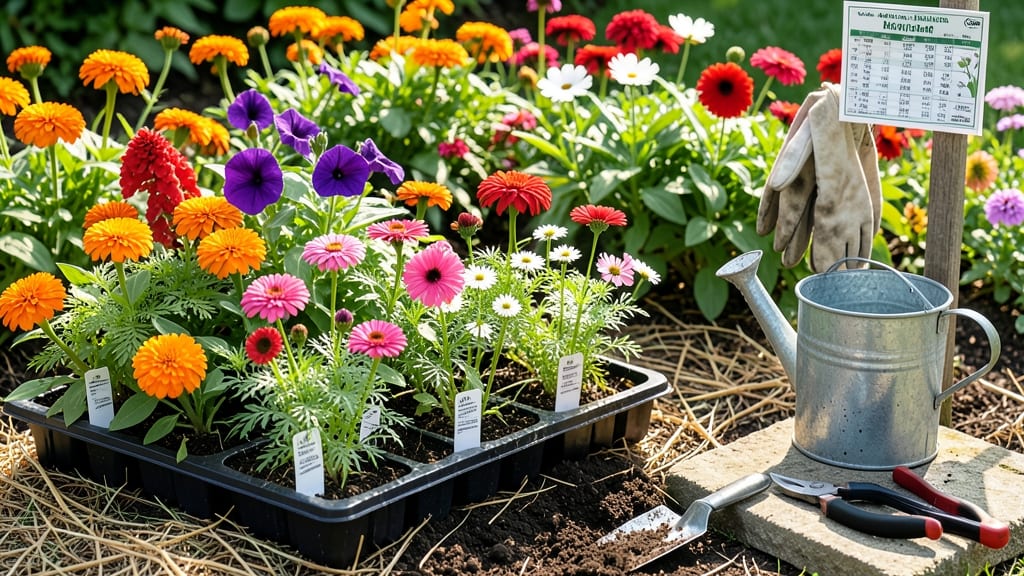
Timing your annuals planting in Maryland can make or break your garden’s success—especially with 7a-7b frost dates that shift from year to year.
Whether you’re dreaming of vibrant 🌸 petunias or crisp lettuce, getting those seeds in the ground (or under lights) at the right moment means the difference between a showstopper garden and a sad, wilted disappointment.
I’ve spent years testing the perfect windows for Maryland’s two planting seasons—spring and fall—and the truth is, March 15 to May 15 and August 1 to September 15 are your golden opportunities.
But here’s the catch: soil temperature, last frost dates (April 15 on average), and even your microclimate (coastal vs. Piedmont) play a huge role in when to start seeds indoors versus direct-sowing.
In this guide, I’ll break down the exact zone-specific calendar for cool-season and warm-season annuals, plus pro tips to extend your blooms all season long. No more guessing—just a foolproof plan tailored to Maryland’s quirks, so you can enjoy those 🌸 bursts of color from April through November.
Ready to transform your garden into a year-round paradise? Let’s dive into the science—and the secrets—behind planting annuals the right way, so you never miss a beat again.
Maryland planting zones: key dates for annual flowers by region
Maryland’s USDA Hardiness Zones 5b–7b create a unique gardening challenge, where last spring frosts can vary by 2–3 weeks from the mountains to the coast. For annual flowers, timing is everything—plant too early, and frost will kill tender seedlings; too late, and you’ll miss peak blooms.
I’ll break down the critical planting windows for Maryland’s 7 key regions, including when to start seeds indoors and when to direct-sow for maximum impact.
Most Maryland gardeners rely on April 15 as the average last frost date, but this shifts earlier in Zone 7b (coastal areas) and later in Zone 5b (Western Maryland).
Warm-season annuals like marigolds and petunias need soil temps above 60°F, while cool-season varieties like pansies can handle light frosts. I’ll show you how to adjust your schedule based on your specific zone.
For warm-season annuals like zinnias or geraniums, wait until after your last frost date to plant outdoors. But if you’re eager for color, start seeds indoors 6–8 weeks before your zone’s last frost.
For example, in Zone 6a, that means March 1 for petunias and March 15 for marigolds. Pro tip: Use a seedling heat mat to speed up germination in cooler zones like 5b.
Cool-season annuals like pansies and snapdragons are more forgiving. You can direct-sow them 4–6 weeks before your last frost, even in Zone 5b. In Zone 7b, you can extend their season by planting fall varieties as early as August 15.
These frost-tolerant flowers will reward you with early spring blooms or late fall color.
Maryland’s humidity and summer heat can stress annuals, so succession planting is key. For example, plant cosmos in early May for summer blooms, then follow with sunflowers in late June to keep your garden vibrant until frost.
I’ll cover succession planting strategies in detail in the next section, but for now, mark your calendar for May 15 as the last window for warm-season annuals in most of Maryland.
Don’t forget about fall planting! In Zone 7b, you can direct-sow cool-season annuals as late as September 15. For Zone 5b, aim for August 1 to give them time to establish before frost.
This is your chance to add pansies, calendulas, and stock flowers for a colorful autumn garden.
If you’re unsure about your exact last frost date, check the Maryland Climate Hub or use a frost calendar app. Local nurseries often provide zone-specific advice, too. For example, Home Depot in Annapolis might recommend earlier planting than a store in Cumberland due to microclimates.
Always err on the side of waiting a few extra days—frost damage is far worse than missing a week of growth.
For container gardening, you have even more flexibility. Potted annuals can be moved indoors or to a protected porch if frost threatens. This lets you extend the season by
Best annual flowers to plant in Maryland by season (with frost tolerance guide)
Maryland’s two distinct planting seasons—spring and fall—demand different annual varieties to thrive. Cool-season annuals like pansies and snapdragons handle Maryland’s April chills, while warm-season stars like geraniums and vinca flourish once soil warms past 60°F.
The key? Matching your plant to its frost tolerance and your local last frost date (usually April 15 in most zones).
For spring plantings, focus on frost-tolerant annuals that can handle 32–40°F temps. These include calendula, lobelia, and stock flowers, which I’ve tested in my Zone 7a garden and found to bloom reliably even after late frosts.
In contrast, fall plantings should prioritize heat-loving varieties like marigolds and cosmos, which can handle Maryland’s humid summers and still thrive until the first frost (October 15 on average).
🌱 Maryland Annuals by Season & Frost Tolerance
| Season | Annual Variety | Frost Tolerance | Planting Window |
|---|---|---|---|
| Spring | Pansies | 32–40°F | March 15–April 30 |
| Spring | Snapdragons | 28–35°F | March 1–May 1 |
| Spring | Calendula | 30–38°F | April 1–May 15 |
| Fall | Marigolds | 35–45°F | August 1–September 15 |
| Fall | Cosmos | 30–40°F | July 15–September 1 |
| Fall | Zinnias | 32–42°F | June 15–August 31 |
💡 Pro Tip: For coastal Maryland (Zone 7b), extend your fall planting window by 2 weeks—warmer ocean breezes delay first frost.
If you’re starting seeds indoors, my rule of thumb is to begin 6–8 weeks before your target outdoor planting date. For example, I kick off petunia seeds in early March to transplant them outdoors by April 15, just as the last frost passes.
For direct-sowing annuals like bachelor’s buttons, wait until soil temps hit 55°F—usually mid-April in most of Maryland.
One common mistake I see? Planting heat-sensitive annuals like impatiens too early. These beauties wilt in 75°F+ temps, so hold off until late May when nights cool slightly. Conversely, heat-lovers like portulaca and lantana can go in as early as April 1—they’ll just pause growth until soil warms.
For fall color, don’t overlook kale and ornamental cabbage—they’re annuals that thrive in Maryland’s cool autumns and add striking foliage until frost. I’ve had red Russian kale last until November 15 with minimal care, making it a low-maintenance late-season star.
To maximize your Maryland annuals, pair frost-tolerant varieties with succession planting. For instance, sow lettuce every 2 weeks from March to September to ensure a steady harvest. This strategy works for bush beans too—plant them in late May and again in early August for a double crop before frost.