
Plants
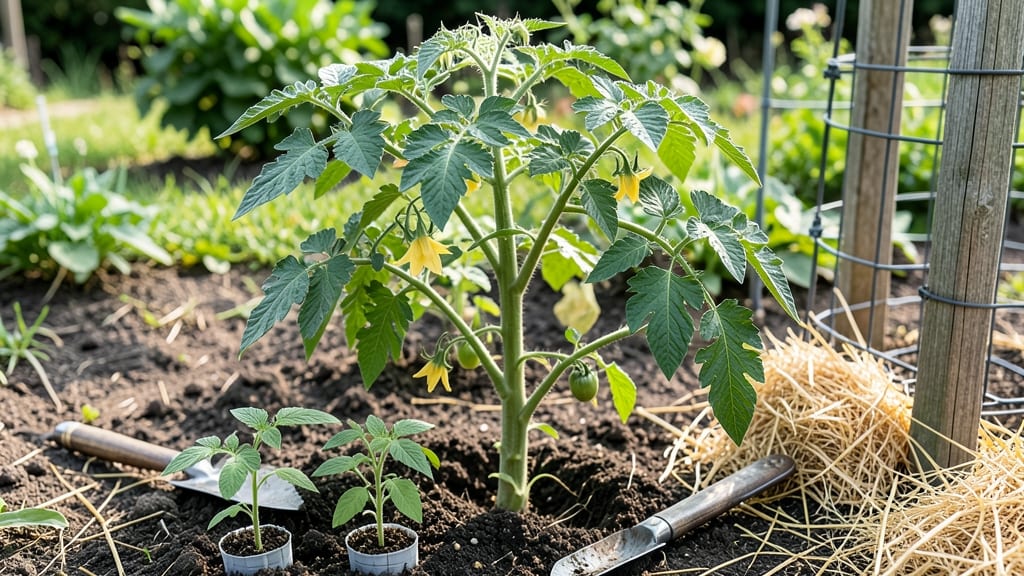
When do you plant tomatoes in Ohio? Timing your tomato planting isn’t just about throwing seeds in the dirt—it’s the difference between a bumper crop of juicy 🍅 or a sad, frost-nipped disappointment. With Ohio’s Zone 6a climate, getting the schedule right means waiting until after the April 15 average last frost date, but not so late that you miss the June-October harvest window.
You’ve probably heard that April 15-May 15 is the sweet spot, but what if you’re transplanting seedlings versus direct sowing? Or how do you adjust if you’re pushing for a late-season harvest?
The key is understanding your soil temperature, frost risk, and even which tomato varieties thrive in Ohio’s shorter growing season.
I’ll break down exactly when to plant—whether you’re starting indoors in March or rushing to get seeds in the ground after frost. Plus, I’ll share pro tips to extend your harvest into October without risking frost damage, so you can enjoy homegrown tomatoes all season long.
Ready to master the Ohio tomato schedule? Let’s dive into the frost-date cheat sheet that’ll have your plants thriving from spring to fall.
Ohio tomato planting dates by last frost date (Zone 5 vs. Zone 6)
Ohio’s Zone 5 and Zone 6 climates create a 10-14 day difference in ideal tomato planting windows. In Zone 5 (northern Ohio), the last frost typically arrives around May 15, while Zone 6 (southern Ohio) sees frost-free conditions by April 20-May 1.
These dates mark the start of your 60-90 day growing window for tomatoes, but soil temperature is just as critical as air temperature.
Tomato seeds and seedlings need soil temperatures above 60°F to thrive. In Ohio, this usually means waiting until mid-May for Zone 5 and late April for Zone 6.
Using a soil thermometer is the best way to confirm readiness—don’t rely on air temperature alone, as soil warms more slowly, especially in spring.
For direct sowing (planting seeds outdoors), aim for 2-4 weeks after your last frost date. This gives young plants time to establish roots before summer heat arrives.
In Zone 5, that’s typically May 20-June 1, while Zone 6 gardeners can start as early as April 25-May 10.
If you’re transplanting seedlings (bought from nurseries or started indoors), the window shifts earlier. Seedlings tolerate cooler soil slightly better, so you can plant 2-3 weeks before direct sowing.
That means May 1-15 for Zone 5 and April 15-25 for Zone 6. Just be prepared to protect young plants with row covers or cloches if late frosts threaten.
Ohio’s first frost date (typically October 15) signals the end of the outdoor tomato season, but with the right strategies, you can extend harvests by 2-4 weeks. Late-season varieties like ‘Super Sweet 100’ or ‘Brandywine’ can produce fruit until frost if given proper care.
Pro Tip: Use black plastic mulch to warm soil faster—it can shave 7-10 days off your planting timeline by raising soil temperatures by 5-10°F. This is especially helpful in Zone 5, where cooler springs delay planting.
Here’s a quick frost-free day calculator trick: Ohio’s average 165 frost-free days (from last to first frost) means you’ve got roughly 5 months to grow tomatoes. Early varieties (like ‘Early Girl’) mature in 60 days, while late varieties (like ‘Cherokee Purple’) need 85-90 days
Now, let’s break down the exact planting windows for Ohio’s two zones—and how to adjust for your specific microclimate. Ohio’s microclimates can shift planting dates by 1-2 weeks. For example, areas near lakes (like Lake Erie) or urban heat islands (like Columbus or Cincinnati) may see frost-free conditions 7-10 days earlier than
Zone
Last Frost Date
Soil Temp Ready
Seedling Transplant Window
Direct Sow Window
First Frost Risk
Zone 5 (Northern OH)
May 15
Mid-May (60°F+)
May 1-15
May 20-June 1
Late May
Zone 6 (Southern OH)
April 20-May 1
Late April (60°F+)
April 15-25
April 25-May 10
Early May
Both Zones
N/A
Use black plastic mulch
Start indoors 6-8 weeks early
Succession plant every 2 weeks
Protect with row covers
Best tomato varieties for Ohio’s short season (and when to start them indoors)
Ohio’s short growing season demands smart variety selection—pick early-maturing tomatoes that thrive in Zone 5-6 conditions. Start with determinate varieties (bush types) for compact harvests or indeterminate vines for continuous production. My top picks balance cold tolerance and disease resistance, critical for Ohio’s humid summers.
For early harvests, try ‘Early Girl’ (55-60 days)—it handles cooler soils and delivers red slicing tomatoes by July. ‘Stupice’ (60-70 days), a heirloom cherry tomato, tolerates light frosts and ripens quickly.
Both are perfect for direct sowing after your last frost date (typically mid-April to early May).
🌱 Numbered Highlights: Ohio Tomato Varieties & Indoor Start Times
- 1. Early Girl (55-60 days) – Start indoors March 1-15; transplant after last frost. Disease-resistant and high-yielding.
- 2. Stupice (60-70 days) – Start indoors March 15-April 1; frost-tolerant heirloom cherry tomato.
- 3. Mountain Merit (70 days) – Start indoors April 1-15; blight-resistant slicer for mid-season.
- 4. Brandywine (80-90 days) – Start indoors April 15-May 1; heirloom with large fruit (needs warm soil).
- 5. ‘Sungold’ (60 days) – Start indoors March 15-April 1; orange cherry for late-summer harvests.
🌱 Pro Tip: Use grow lights for 12+ hours/day indoors to prevent leggy seedlings.
If you’re direct sowing (skipping seedlings), wait until soil temps hit 60°F+—usually mid-May in most of Ohio. ‘Cherokee Purple’ (75 days) and ‘Glacier’ (70 days) are great for late-season harvests if you plant in June and use row covers.
For indoor starts, sow seeds 6-8 weeks before your last frost date. Use seedling trays with well-draining mix and keep temps at 70-75°F. Harden off seedlings for 7-10 days before transplanting—this toughens them for Ohio’s variable spring weather.
Ohio’s humid climate favors disease-resistant varieties like ‘Mountain Merit’ or ‘Defiant PhR’. Avoid long-season heirlooms (e.g., ‘Beefsteak’) unless you’re in Zone 6 with a longer frost-free period. Succession plant every 2 weeks in May-June for a continuous harvest until frost.
Remember: Soil temperature matters more than air temperature. Use a soil thermometer to confirm 60°F+ before planting—cold soil delays germination. For northern Ohio (Zone 5), prioritize early varieties; in southern Ohio (Zone 6), you can push mid-season varieties like ‘Better Boy’.