
Plants
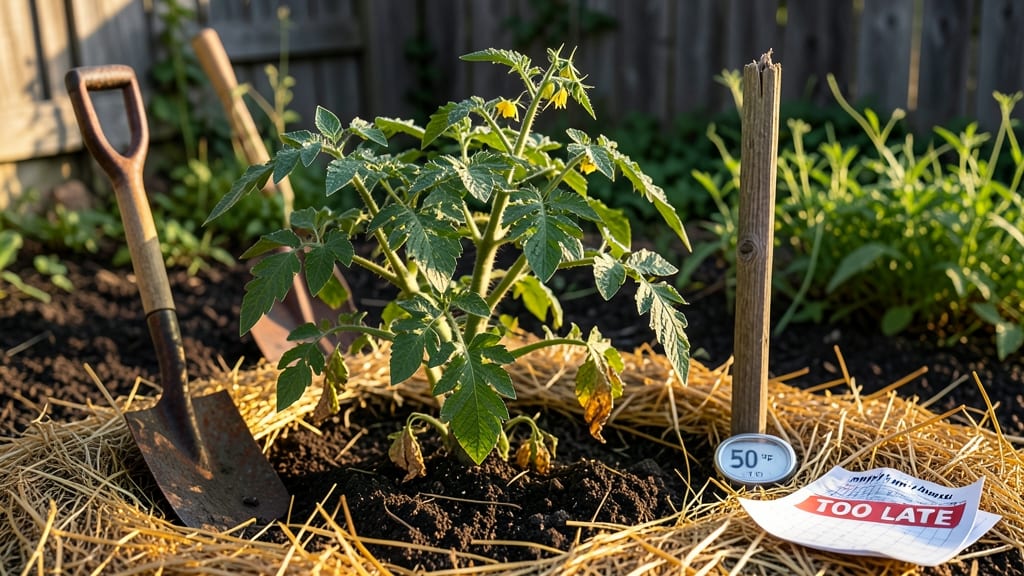
If you're still eyeing those empty garden beds in June and wondering when is it too late to plant the tomatoes in Ohio, don’t assume it’s too late—Ohio’s growing season can surprise you with the right approach.
The key isn’t just timing but choosing fast-maturing varieties and working with your local climate. With USDA Zone 6a’s shorter frost-free window, every week counts, but there are proven strategies to stretch your harvest.
Most gardeners panic when summer arrives, but Ohio's last planting window for tomatoes actually extends well beyond the traditional June 1 cutoff. The secret lies in selecting heat-tolerant varieties that can mature in 60-75 days—plenty of time for a second harvest before frost.
Even if you missed the ideal April-May window, you're not out of luck.
What you'll discover is that Ohio's microclimates create opportunities for late plantings, especially in southern regions where temperatures stay warmer longer. We'll cover the critical deadlines by zone, plus the top varieties that thrive when planted as late as July.
Container gardening and soil warming techniques can also give your tomatoes the extra boost they need.
Let's cut through the guesswork and focus on actionable tips so you can enjoy homegrown tomatoes well into fall—no matter when you finally get those seeds in the ground. The right variety and a little extra care can turn a late start into a rewarding harvest.
Ohio’s last planting deadlines for tomatoes by region: when to stop trying
Ohio’s diverse microclimates mean your last chance to plant tomatoes varies by region—from late July in southern Ohio to mid-July in northern zones. The key is calculating days to maturity against your area’s average first frost date.
For most of Ohio, aim to plant 60-75 days before frost, but faster varieties can stretch this window.
Southern Ohio (USDA Zones 6b-7a) has a longer growing season, giving gardeners until July 20-25 for early-maturing varieties. In contrast, northern Ohio (Zones 5b-6a) should halt planting by July 10-15 to avoid frost risks. Always check your local frost dates—they can shift yearly!
🌱
| Region | Last Planting Date | Days to Maturity Needed | Frost Risk |
|---|---|---|---|
| Southern Ohio (Zones 6b-7a) | July 20-25 | 55-65 days | Low (Oct 25-Nov 1) |
| Central Ohio (Zones 6a) | July 10-15 | 60-70 days | Moderate (Oct 15-20) |
| Northern Ohio (Zones 5b-6a) | July 1-10 | 65-75 days | High (Oct 10-15) |
Even if you miss these deadlines, don’t despair! Container gardening can extend your season by 2-3 weeks in urban areas. Place pots in sunny, sheltered spots and use black plastic mulch to warm soil faster.
For ground planting, focus on heat-tolerant varieties like 'Solar Fire' or 'Heatmaster'—they thrive in late-summer heat.
Soil temperature is just as critical as air temperature. Tomatoes need soil at least 60°F (15°C) to germinate—use a soil thermometer to check. If your soil is cooler, try warming it with black plastic or plant in raised beds, which heat up faster.
Pro tip: Transplant seedlings instead of direct-sowing late—it speeds up maturity by 10-14 days.
Watch for late-season pests like hornworms and aphids, which thrive in warm weather. Use neem oil or row covers to protect young plants. Prune suckers aggressively to redirect energy to fruit production rather than foliage growth.
In late August, reduce watering slightly to stress plants lightly—this can trigger earlier ripening.
If frost hits before your tomatoes ripen, harvest green tomatoes and cure them indoors. Place them in a paper bag with a banana (ethylene gas speeds ripening) and check weekly. With these strategies, you might still get a few ripe tomatoes even from August plantings!
🌿
For Ohio gardeners, the real deadline isn’t a fixed date—it’s your variety’s maturity timeline plus 10-14 days of buffer. Use local frost data from the Old Farmer’s Almanac or your county extension office to fine-tune your schedule.
And remember: Even a single ripe tomato from a late planting is a victory worth celebrating!
How to maximize late-season tomato success: pro tips for Ohio gardeners
When you're planting tomatoes in Ohio after June 15, every trick counts to stretch your growing season. The key is mimicking ideal conditions—warm soil, consistent moisture, and protection from heat stress.
I’ve learned that even a few extra weeks can mean the difference between a meager harvest and a full basket of ripe tomatoes.
First, focus on soil temperature. Tomatoes need soil at least 60°F (15°C) to germinate properly. If your ground feels cooler, use black plastic mulch or a soil warming mat to create a microclimate.
Even a simple DIY setup with clear plastic bottles filled with dark-colored water can raise temperatures by 5-10°F.
For container gardening, choose large pots (at least 5 gallons) with fast-draining soil. Containers warm up faster than garden beds, giving your late plants a head start. Place them in full sun and move them to shaded areas during afternoon heat waves to prevent wilting.
🌱 Pro Tip: Use shade cloth (30-50% coverage) during peak summer heat (12 PM - 4 PM) to protect young plants. This prevents sunscald while still allowing enough light for growth. I’ve seen late-season tomatoes thrive with this simple adjustment.
💡 Callout Tip: Late-Season Care Essentials
- 💧 Water deeply in the morning to reduce fungal risks
- ✂️ Prune suckers aggressively to focus energy on fruit
- 🌡️ Monitor night temps—below 55°F can stunt growth
- 🍅 Harvest early if frost threatens (green tomatoes ripen indoors)
🌿 Why it works: These adjustments compensate for Ohio’s shorter daylight hours and cooler fall temperatures.
Don’t overlook fertilizer timing. Late-season tomatoes need balanced nutrients but avoid heavy feeding after mid-August. Switch to a low-nitrogen fertilizer (like 5-10-10) to encourage fruiting over leafy growth. I’ve found that compost tea applied every 2 weeks boosts resilience without overstimulating foliage.
Finally, protect your plants from early fall frosts. Use row covers or cold frames to extend harvests by 2-3 weeks. Even a simple cloche (a large plastic bottle with the bottom cut off) can shield individual plants.
In my garden, this has added 10-14 days to the tomato season.
With these strategies, you can push Ohio’s tomato-growing season well beyond the usual October 1 cutoff. The secret isn’t just planting late—it’s creating the right conditions for those plants to thrive despite the odds. 🌱