
Companion Plants
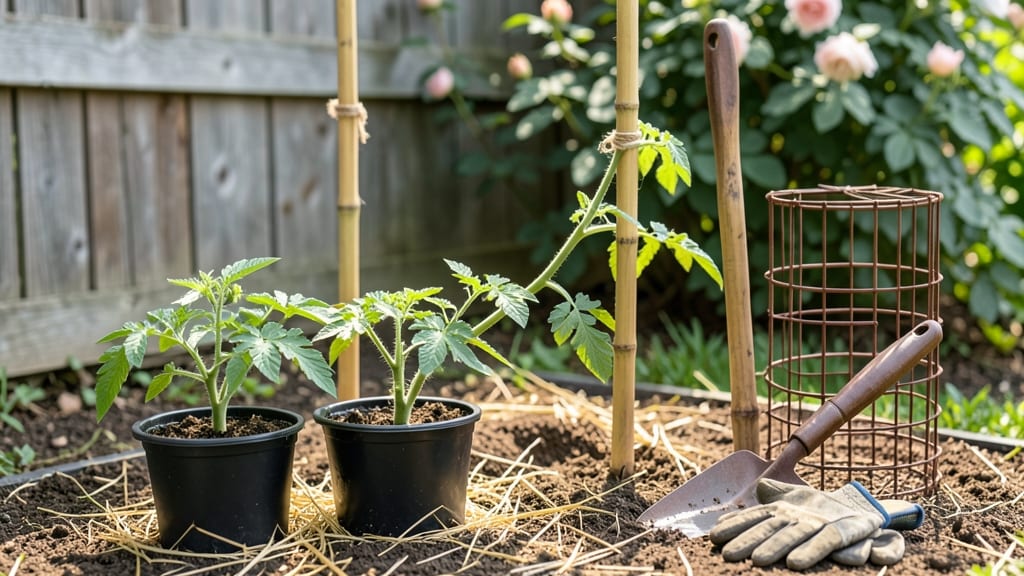
If you’ve ever wondered when to plant tomatoes in Florida without risking frost—or worse, a sad 🍅 that never ripens—you’re not alone. Florida’s warm climate lets you grow tomatoes year-round, but timing still matters more than you think.
Plant too early, and humidity will smother your seedlings; too late, and you’ll miss peak harvest windows.
The key is understanding your region’s microclimate. Coastal areas like Miami can plant almost anytime, while North Florida’s 9a-11 zones need precise timing to avoid even the rare cold snap.
I’ll break down the exact windows for both spring and fall planting, so you can start seeds or transplant with confidence.
You’ll also learn how to prep your soil for Florida’s heat, choose the right varieties for your zone, and spot early signs of stress before they derail your harvest. No more guessing—just a foolproof schedule tailored to your backyard.
Ready to grow tomatoes that thrive, not just survive? Let’s dive into the zero-frost planting secrets that’ll have you feasting on homegrown fruit all year.
Florida tomato planting calendar: coastal vs. inland timing for zero frost risk
Florida’s year-round growing season lets you plant tomatoes almost anytime—but coastal and inland regions have different sweet spots. The key? Avoiding unpredictable cold snaps (yes, even in Florida!) and matching soil temperatures to your variety.
I’ll break down the exact planting windows for both spring and fall cycles, so you can maximize yield without frost risk.
Most Florida gardeners focus on two main planting cycles: spring (for summer harvests) and fall (for winter harvests). However, coastal areas like Miami can plant earlier and later than inland zones like Tallahassee.
The rule of thumb? Wait until soil temps hit 65°F+—cold soil stunts roots, even if air temps are warm. Use a soil thermometer to check!
Here’s the visual breakdown of when to plant tomatoes in Florida, comparing coastal (South FL) and inland (North/Central FL) schedules:
Notice how coastal areas can plant 6 weeks earlier in spring and 2 weeks later in fall? That’s the power of microclimates. For example, Miami’s January plantings thrive where Tallahassee’s soil is still too cold for tomatoes.
Always check your local frost dates—even Florida’s "frost-free" zones can get surprise chills.
For direct sowing (planting seeds outdoors), add 2-3 weeks to these windows—seedlings take longer to establish. If you’re transplanting seedlings, stick to the dates above for faster growth. Pro tip: Hardening off seedlings for 7-10 days before transplanting boosts survival rates in Florida’s humid heat.
One common mistake Florida gardeners make? Planting too early in spring when soil is still cool. Tomatoes won’t germinate below 60°F, and roots struggle below 65°F. Use black plastic mulch to warm soil faster if you’re eager to plant early.
Conversely, fall plantings should stop by late September in North FL to avoid hurricane season stress.
Summer planting? It’s possible but riskier due to heat stress and pests. If you must, choose heat-tolerant varieties (like ‘Solar Fire’ or ‘Heatmaster’) and provide afternoon shade.
I’ve had success with July plantings in Central FL using drip irrigation and shade cloth—but yield drops if temps hit 95°F+.
Remember: Tomatoes need 6+ hours of sun daily, so avoid shady spots. If your garden gets afternoon shade, opt for determinate varieties (bush tomatoes) that ripen faster.
For maximum yield, pair your planting schedule with succession planting—sow new seeds every 2 weeks during peak cycles to stagger harvests.
Finally, monitor humidity. Florida’s 90%+ humidity can lead to fungal diseases like early blight. Space plants 18-24 inches apart for airflow and mulch heavily to keep foliage dry. With the right timing, your tomatoes will thrive—no frost risk, no stress!
5 Critical factors that determine your planting success in Florida
Planting tomatoes in Florida isn’t just about picking a month—it’s about understanding your local microclimate. While South Florida’s frost-free winters let you plant almost year-round, North Florida’s 9a-11 zones still face rare cold snaps.
The difference between a thriving vine and a struggling plant often comes down to these 5 critical factors that Florida gardeners must master.
First, soil temperature is non-negotiable. Tomatoes need soil that’s warmed to at least 65°F (18°C) before transplanting. Inland areas like Orlando hit this mark by early March, while coastal zones like Miami can start as early as January.
Use a soil thermometer to avoid planting too soon—cool soil stunts root growth and invites disease.
Next, humidity levels can make or break your harvest. Florida’s sticky air thrives with 80%+ humidity, but too much moisture without airflow leads to fungal diseases like early blight.
I’ve learned to space plants 18-24 inches apart and use mulch (straw or black plastic) to balance moisture while keeping leaves dry. A simple trick: water at the base, never overhead, to reduce fungal spores splashing onto foliage.
Don’t overlook sunlight exposure, especially if you’re gardening in urban areas with tall buildings. Tomatoes need 6+ hours of direct sun daily, but inland zones like Tallahassee can experience intense summer heat (90°F+) that stresses plants.
I’ve had success using shade cloth (30%) during peak afternoons to prevent sunscald on fruits. Coastal areas get year-round sun, but watch for salty winds near the coast—amend soil with compost to improve drainage.
Another game-changer is choosing heat-tolerant varieties. Florida’s summers can push temperatures to 95°F+, which causes blossom drop in sensitive varieties. My go-to picks are ‘Heatmaster’ and ‘Solar Fire’—they keep producing even when other plants wilt.
For fall planting, I swear by ‘Celebrity’ or ‘Better Boy’ for their disease resistance in humid conditions. Pro tip: Avoid planting heirlooms like ‘Brandywine’ unless you’re in a cooler microclimate.
Finally, pest pressure varies wildly by region. Coastal gardens battle aphids and whiteflies year-round, while inland areas see hornworms and squash bugs in summer. I’ve cut infestations by interplanting with basil or marigolds and using neem oil sprays at the first sign of damage.
Timing matters here too—planting in July-August gives pests less time to establish before harvest.
Master these five factors, and you’ll turn Florida’s challenges into advantages. The key? Observe, adapt, and plant with confidence—your tomatoes will thank you with bushels of ripe fruit. 🌱