
Plants
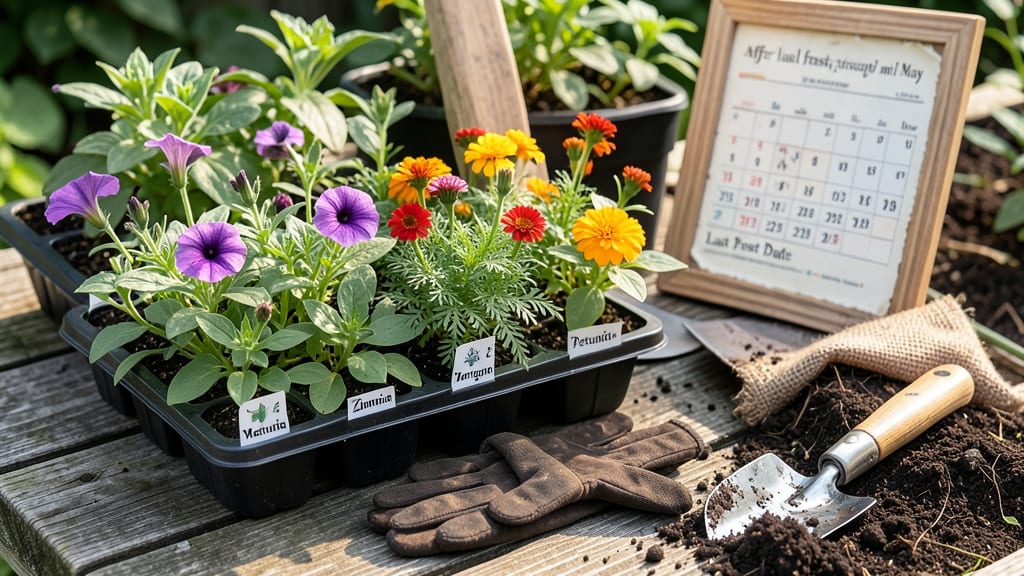
When to plant annuals in NJ at the right time can make all the difference between a stunning summer garden and a frost-killed disappointment. The key to success lies in knowing the exact planting windows for Zone 6b, where last frosts can linger as late as May 15th. Most gardeners assume warmer weather means it’s safe to plant, but that’s a recipe for failure. Annuals like marigolds and zinnias need soil temperatures above 60°F to thrive, while cooler-loving varieties like lettuce and pansies can handle earlier spring plantings. Getting this wrong means wasted time, money, and effort. In this guide, I’ll break down the exact planting windows for NJ’s most popular annuals, including strategies to extend your growing season when Mother Nature throws curveballs. Whether you’re a seasoned gardener or just starting, these tips will help you avoid common mistakes and maximize your blooms. Ready to transform your garden from "meh" to "wow"? Let’s dive into the critical deadlines and pro tips that will keep your annuals thriving all season long.
NJ Zone 6b annual planting deadlines by type (heat-tolerant vs. cool-season)
New Jersey’s Zone 6b climate means your last frost date typically falls between April 15 and May 15, but don’t let that fool you—late frosts can still sneak in. The key to annual success lies in understanding whether your plants crave warm soil or can handle cooler temperatures.
Warm-season annuals like marigolds and zinnias need soil at 60°F+, while cool-season varieties like lettuce or pansies thrive when soil is 40-50°F.
For heat-loving annuals, wait until after May 15 to plant directly in the ground. If you’re itching to start earlier, opt for container gardening or a greenhouse to give them a head start.
Cool-season annuals, on the other hand, can handle early April plantings—just be ready to shield them with frost cloth if Mother Nature has other plans.
Here’s the golden rule: Warm-season annuals planted too early will rot in cold soil, while cool-season annuals planted too late may bolt (go to seed) before you enjoy their harvest. Timing is everything, and NJ’s unpredictable springs demand flexibility.
🌱
| Plant Type | Ideal Planting Window | Soil Temp Requirement | Backup Strategy |
|---|---|---|---|
| Warm-Season Annuals (Marigolds, Zinnias, Petunias) | May 15–June 15 | 60°F+ | Start indoors in April |
| Cool-Season Annuals (Lettuce, Spinach, Pansies) | March 15–April 30 | 40–50°F | Use row covers for late frosts |
| Heat-Tolerant Veggies (Tomatoes, Peppers, Basil) | May 1–June 1 | 65°F+ | Transplant hardened-off seedlings |
| Fall Annuals (Cosmos, Snapdragons, Kale) | August 1–September 15 | 50–60°F | Choose late-blooming varieties |
If you’re planting warm-season annuals like geraniums or impatiens, don’t rush—they’ll sulk in cold soil. Instead, start seeds indoors 6–8 weeks before your last frost date, then transplant once nighttime temps stay above 55°F.
For cool-season edibles, like radishes or bok choy, you can even squeeze in a fall harvest by planting again in late August.
Pro tip: Use biodegradable pots for seedlings to avoid disturbing roots during transplanting. And always harden off your plants over 7–10 days before moving them outdoors to prevent shock.
For gardeners in northern NJ (closer to Zone 6a), push planting dates back 1–2 weeks. Southern NJ (Zone 7a) can afford to start earlier, but watch for humidity—it can stress young plants.
🌿
Remember, NJ’s frost dates vary yearly. Bookmark the National Weather Service’s frost prediction map or use a local gardening app like Gardenate to track updates. When in doubt, err on the side of waiting—your plants will thank you with vigorous growth instead of stunted, leggy stems.
Now that you’ve got the timing down, let’s talk about adjusting for NJ’s weather quirks in the next section—because even the best-laid plans need backup strategies when May frosts strike.
How to adjust planting times for NJ’s unpredictable spring weather
New Jersey’s last average frost date typically falls between April 15 and May 15, but Mother Nature doesn’t always follow the script. If you’re still waiting for consistent 60°F soil temps by mid-May, don’t panic—there are smart ways to extend your planting window without sacrificing success.
First, check your local microclimate. Urban areas like Jersey City often warm up faster than rural spots in the Pine Barrens. Use a soil thermometer ($10 at garden centers) to confirm readiness—55°F+ is ideal for most annuals.
If temps fluctuate, delay planting heat-lovers like tomatoes until after Memorial Day.
Row covers (floating fabric tunnels) are my secret weapon for late springs. They raise soil temps by 5-10°F and protect seedlings from late frosts until June 1. For example, I’ve successfully planted cosmos and sunflowers under row covers in early May when frost warnings lingered.
⚠️ Late Planting Warning
If you plant warm-season annuals (marigolds, zinnias) before May 20 without protection, they’ll linger as seedlings for weeks—vulnerable to damping off and pests. Use black plastic mulch to warm soil faster and harden off seedlings gradually for 7-10 days before transplanting.
For cool-season annuals like pansies or calendula, you can push it even later—some varieties tolerate light frosts. Plant these as late as September 15 for fall blooms, but use frost cloth if temps dip below 28°F.
I’ve grown snapdragons through November in Zone 6b by combining frost cloth with straw mulch.
Pro tip: Start heat-lovers indoors 4-6 weeks before your target outdoor date. Use grow lights (not just windowsills) to avoid leggy seedlings. For example, begin geraniums indoors by March 15 to transplant outdoors by April 30, beating the rush.
Track your progress with a planting journal. Note when you sow seeds, transplant, and first bloom—this helps you adjust next year.
For instance, my zinnias planted May 10 bloomed 6 weeks later, while those planted June 1 flowered in just 4 weeks—the heat sped up growth!