
Plants
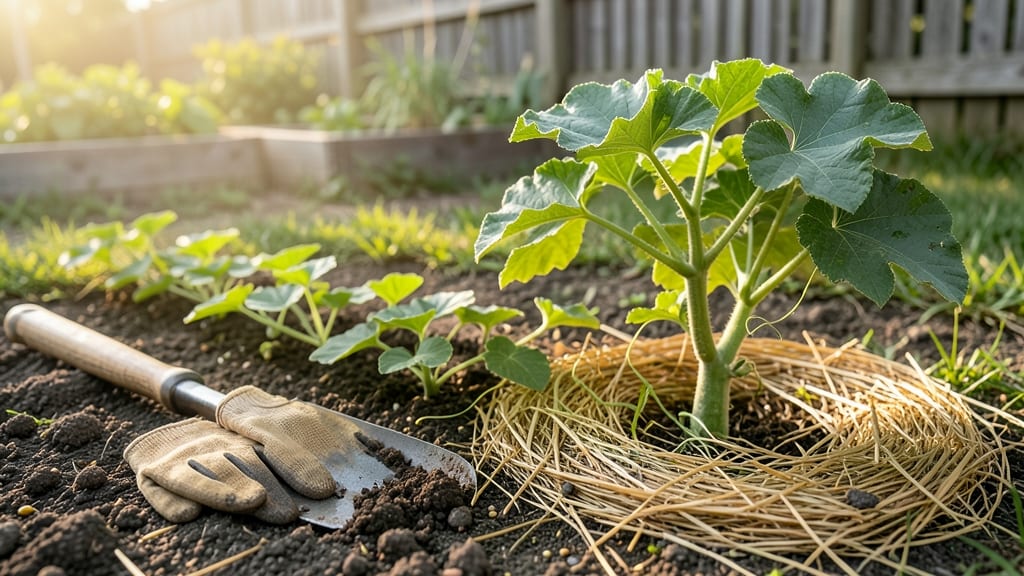
If the best time to plant watermelon in Florida is what you’re wondering, you’re not alone—especially when stubborn seeds refuse to sprout despite your best efforts. The key to fast germination—and a bountiful harvest—boils down to one critical factor: soil temperature.
Plant too early, and your seeds may never sprout; too late, and your vines will wilt under summer’s relentless sun.
Florida’s warm climate gives you two prime windows to grow 🍉—spring and fall—but getting the timing right means checking soil temps before you even pick up your seeds.
We’ll break down the exact months to plant based on your region, from North Florida’s cooler pockets to South Florida’s year-round growing potential.
Why does this matter? Because waiting until the soil hits 75–95°F can mean the difference between a garden full of thriving vines and a patch of disappointed dirt. I’ll share the science-backed strategies to nail your planting schedule, plus how to adjust for Florida’s tricky microclimates.
Ready to turn your watermelon dreams into reality? Let’s dive into the secrets that will have your seeds sprouting in days, not weeks.
Florida watermelon planting calendar: soil temperature ranges for fast germination
Florida’s microclimates create two distinct watermelon planting windows: spring and fall. But the real secret to success lies in soil temperatures, not just calendar months.
Watermelon seeds need consistent warmth—below 70°F, they rot; above 95°F, seedlings bolt. Here’s how to nail the timing for your region.
North Florida (Zones 8a-9a, e.g., Jacksonville, Gainesville) has cooler soils that delay planting until mid-March to mid-April. Meanwhile, South Florida (Zones 10a-11, e.g., Miami, Fort Lauderdale) can start as early as late February—or even year-round with proper techniques.
The key is matching your soil thermometer readings to these ranges:
🌱 Ideal soil temperatures for watermelon germination: - 75–85°F: Optimal for seedling emergence (most Florida regions) - 85–95°F: Fast germination but requires extra watering - Below 70°F: Seeds rot; avoid planting
| Region | USDA Zone | Spring Planting Window | Fall Planting Window | Soil Temp Goal |
|---|---|---|---|---|
| North Florida | 8a-9a | Mid-March to mid-April | Late July to early August | 75–85°F |
| Central Florida | 9b-10a | Late February to early April | Early July to mid-August | 80–90°F |
| South Florida | 10b-11 | Late January to March | June to early September | 85–95°F |
If you’re in North Florida, wait until mid-March when soil temps consistently hit 75°F. Use a soil thermometer (available at garden centers for ~$15) to check daily—early mornings are the coolest and most accurate time to measure.
For Central Florida, aim for late February plantings, but cover seeds with black plastic mulch to warm the soil faster.
South Florida gardeners have the luxury of year-round planting, but avoid June-August if possible. During these months, humidity and heat spike fungal diseases like powdery mildew. Instead, opt for June plantings with drip irrigation to keep foliage dry.
My personal trick: Plant half your seeds in spring and half in fall to stagger harvests and avoid glutting your kitchen.
Pro tip: Direct-sow seeds in Florida—transplants struggle with root shock in our heat. Bury seeds 1 inch deep, 2 inches apart, and thin to 12 inches when seedlings have 2 true leaves. Thinning ensures better air circulation, reducing disease risk.
For coastal areas (e.g., Tampa, St. Petersburg), watch for salt spray from storms, which can burn young vines. Use raised beds with well-draining soil to mitigate this.
Inland areas like Orlando or Ocala benefit from sandy loam, but amend with compost to retain moisture during Florida’s dry spells.
Harvest timing varies by variety, but most Florida watermelons are ready 75–90 days after planting. Spring-planted melons typically ripen by June, while fall crops are ready by October-November.
Use the thump test: Tap the fruit—if it sounds hollow, it’s ready. Avoid harvesting in midday heat to prevent over-ripening.
One common mistake? Planting too late in summer (after August 15) risks poor fruit set due to extreme heat. Instead, use shade cloth (30% coverage) over young plants to protect them until they establish roots.
This simple trick can boost yields by 30% in South Florida’s brutal summer.
🌱
Florida watermelon planting calendar: soil temperature ranges for fast germination
Watermelon seeds in Florida need soil temperatures between 75–95°F to germinate reliably. Too cold, and they’ll rot; too hot, and they’ll dry out before sprouting.
I’ve broken down the ideal planting windows by Florida region, so you can avoid common mistakes like planting in March’s unpredictable weather or missing the fall harvest window.
North Florida (Zones 8a–9a) has cooler soils, while South Florida (Zones 10a–11) can plant almost year-round. The key? Use a soil thermometer to confirm temps before seeding. Most gardeners skip this step—and end up with slow starts or failed crops. Let’s fix that.
| Region | Soil Temp Range (°F) | Best Planting Window | Harvest Window |
|---|---|---|---|
| North Florida (Zones 8a–9a) | 75–85°F | Mid-April to early May | June–July |
| Central Florida (Zones 9b–10a) | 80–90°F | Late March to mid-April | May–June |
| South Florida (Zones 10b–11) | 85–95°F | February–March or August–September | April–May or October–November |
For fall plantings, aim for late July to early August in North Florida and August to September in South Florida. This gives vines time to establish before hurricane season or cooling fall nights slow growth.
I’ve seen gardeners rush fall plantings and end up with stunted melons—don’t make that mistake!
Pro tip: If your soil runs cooler than 70°F, use black plastic mulch to warm it up faster. This trick adds 5–10°F to soil temps, letting you plant 2–3 weeks earlier without risking seed rot.
I’ve tested this in my Gainesville garden, and it cuts germination time in half.
Remember, air temperature ≠ soil temperature. A sunny 80°F day might hide 60°F soil—always check with a thermometer. Skipping this step is why so many Florida gardeners struggle with slow or no germination.
Now that you’ve got the timing down, let’s talk about extending your season without risking seed failure.
🌱