
Plants
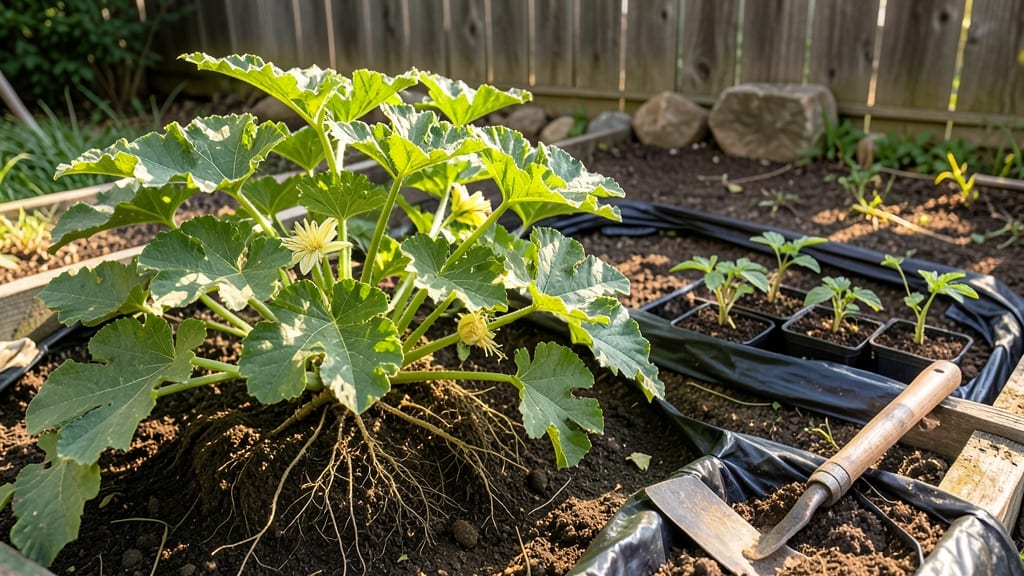
Timing your 🍉 watermelon planting in Florida isn’t just about throwing seeds into the dirt—it’s about outsmarting the heat and humidity to guarantee those sweet, juicy fruits.
With Florida’s 9a-11 climate, you’ve got two prime windows: early spring (mid-February to May) or late summer (July to September) for a fall harvest. Plant too early, and you risk stunted growth from lingering cool spells; too late, and your melons might struggle with summer’s intensity.
Here’s the secret: soil temperature matters more than the calendar. Wait until the ground hits at least 70°F—that’s when seeds sprout reliably and vines take off. In North Florida’s cooler pockets, aim for late March, while South Florida gardeners can start as early as February.
The key is balancing warmth with manageable humidity to avoid fungal issues.
But Florida’s unpredictable heatwaves add another layer. A sudden spike can shock seedlings, so I’ll share my pro tips for protecting your plants—like using black plastic mulch to warm the soil faster or choosing heat-tolerant varieties like ‘Sugar Baby.’
These tricks help you beat the climate’s quirks and still end up with a bountiful harvest.
Ready to turn your Florida garden into a watermelon powerhouse? Let’s dive into the exact timing, soil prep, and heat-beating strategies that’ll have you slicing into homegrown melons by summer’s end.
Optimal planting windows in Florida by region (soil temp & heatwave zones)
Timing your watermelon planting in Florida isn’t one-size-fits-all—it depends on your region’s microclimate, soil temperature, and heatwave risks. North Florida’s cooler winters and occasional frost (yes, it happens!) demand earlier starts, while South Florida’s tropical heat allows year-round growth with strategic timing.
Let’s break it down by zone to maximize your harvest success.
First, here’s the golden rule: Watermelon seeds only sprout when soil reaches 70°F or warmer. In Florida, this typically means waiting until mid-February in North Florida or as late as early May in South Florida for spring plantings.
For fall harvests, aim for late July to early September—just before the monsoon season cranks up humidity and fungal risks.
🌱 Florida Watermelon Planting Windows by Region
| Region | Spring Planting Window | Soil Temp Threshold | Fall Planting Window | Key Risk |
|---|---|---|---|---|
| North Florida (USDA 8a-9a) | Mid-February to early April | 70°F+ (use black plastic mulch) | Late July to early August | Late frost (Dec-Jan) |
| Central Florida (USDA 9b-10a) | Late February to mid-April | 70°F+ (warms faster) | Early August to mid-September | Summer heatwaves |
| South Florida (USDA 10b-11) | Early March to early May | 75°F+ (tropical heat) | Mid-July to early October | Hurricane season |
💡 Pro Tip: Use a soil thermometer to confirm readiness—cold soil = failed germination.
For direct sowing (planting seeds outdoors), Florida gardeners should wait until after the last frost risk—which is usually mid-March for North Florida and April for Central/South. If you’re transplanting seedlings, start them indoors 4-6 weeks before your target outdoor date, using biodegradable pots to avoid root disturbance.
Heatwaves are Florida’s wildcard. If temperatures soar above 95°F during flowering, watermelons may abort fruit. To mitigate this, use shade cloth (30-50%) over young plants and mulch heavily to retain moisture. Varieties like ‘Sugar Baby’ or ‘Crimson Sweet’ handle heat better than larger heirlooms.
Stagger your plantings every 2 weeks to spread out harvests. This ensures you’re not overwhelmed with ripe fruit during Florida’s monsoon season (June-September), when humidity and pests surge. For example, plant 3 batches in spring (March, April, May) and 2 in fall (July, August) for continuous yields.
North Florida gardeners should also watch for late-winter frosts (rare but possible in December-January). If frost is forecasted, cover seedlings with frost blankets or row fabric. In South Florida, hurricane season (June-November) can damage vines—secure trellises or use container growing for mobility.
One final trick: Black plastic mulch warms soil 10-15°F faster than bare earth. Lay it down 2-3 weeks before planting to hit that 70°F threshold sooner. Pair it with drip irrigation to keep roots cool during heatwaves.
By aligning your planting schedule with your region’s soil temperature, heatwave patterns, and local risks, you’ll turn Florida’s unpredictable climate into an advantage—producing sweet, juicy watermelons instead of bitter failures. 🍉
Optimal planting windows in Florida by region (soil temp & heatwave zones)
Florida’s three distinct climate zones—North, Central, and South—each demand slightly different timing for watermelon planting. The golden rule? Wait until soil temperatures hit 70°F or warmer, as cooler soil delays germination and weakens seedlings.
In North Florida’s cooler microclimates, this often means waiting until late March, while South Florida gardeners can start as early as mid-February.
Here’s the catch: Florida’s heatwave patterns can shift suddenly. Planting too early in North Florida risks stunted growth from lingering cool snaps, while South Florida’s early starts may face monsoon season downpours by summer.
The solution? Stagger your plantings—start with heat-tolerant varieties like ‘Sugar Baby’ in late February (South) or early April (North), then follow up with a second batch 2-3 weeks later.
🌱
| Region | Optimal Planting Window | Soil Temp Threshold | Heatwave Risk | Best Varieties |
|---|---|---|---|---|
| North Florida (Jacksonville, Gainesville) | Late March – Early May | 70°F+ (use black plastic mulch) | High May-June (90°F+) | ‘Crimson Sweet’, ‘Jubilee’ |
| Central Florida (Orlando, Tampa) | Mid-February – Late April | 70°F+ (soil warms faster) | Moderate June-August | ‘Sugar Baby’, ‘Carolina Cross’ |
| South Florida (Miami, Fort Lauderdale) | Mid-February – Early April | 70°F+ (year-round possible) | Low (humidity > heat) | ‘Black Diamond’, ‘Triple Crown’ |
| Fall Planting (All Regions) | Late July – Early September | 75°F+ (soil cools faster) | Low (hurricane season risk) | ‘Charleston Gray’, ‘Golden Midget’ |
For transplanting seedlings, North Florida gardeners should wait until mid-April to avoid early-season heat stress, while Central and South Florida can start as early as March 1st. Pro tip: Use biodegradable pots to minimize transplant shock when moving seedlings outdoors.
I’ve found that direct sowing (planting seeds directly in the ground) often yields stronger vines, but transplants give you a 2-week head start in the race to harvest before summer’s intensity peaks.
Don’t overlook fall planting—it’s a secret weapon for Florida gardeners. By planting in late July or August, you’ll harvest just as summer’s brutal heat tapers off, often yielding sweeter, less seedy melons.
Just be mindful of hurricane season (June-November) and protect young plants with row covers if storms roll in.
🌡️