
Plants
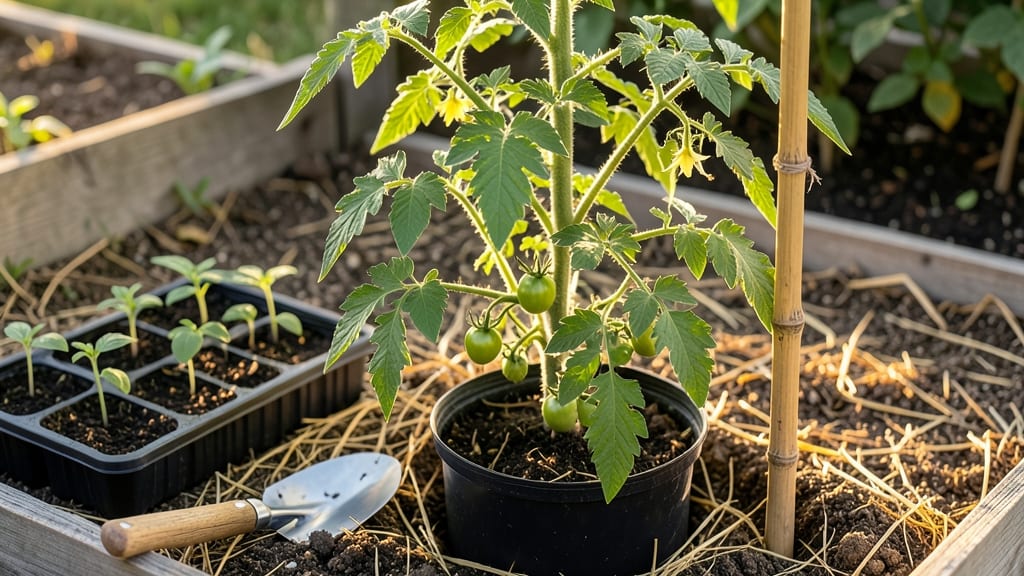
When do you plant tomatoes in California isn’t just about following a calendar—it’s about outsmarting the heat and avoiding the rare but damaging frost that can sneak in. With coastal areas like San Diego enjoying 10a-11 zones and inland valleys like Sacramento sitting in 9a-10a, your perfect window depends on where you live—and even which microclimate you’re in.
Plant too early, and your seedlings might bolt from the heat or rot in cooler soil. Too late, and you’ll miss the long harvest season that California’s climate offers. The key is knowing your 6-week pre-frost rule and adjusting for heat-tolerant varieties that thrive in your specific region.
Whether you’re starting seeds indoors or transplanting young plants, this guide breaks down the exact dates you need to maximize your yield—from coastal mid-February starts to inland March-June windows.
We’ll also cover the best varieties for your area and how to avoid common mistakes that ruin even the most promising tomato season.
Ready to grow bigger, healthier tomatoes with fewer headaches? Let’s dive into the science—and the secrets—that will turn your garden into a fruit-bearing powerhouse all summer long.
California tomato planting zones: exact dates by region (avoiding frost & heat stress)
California’s diverse climate means your tomato planting window depends entirely on where you live. Coastal areas like San Francisco and Santa Barbara have milder winters, while inland valleys like Sacramento and Bakersfield face earlier frosts.
Timing is critical—plant too early, and frost will kill seedlings; too late, and summer heat causes bolting (premature flowering).
For all regions, calculate your 6-week pre-frost window. This means counting backward from your average first frost date (December 1 for coastal areas, November 15 for inland). For example, if frost hits November 15, your last planting should be September 21 to ensure mature plants before cold arrives.
Soil temperature is just as important as air temperature. Tomatoes need soil at 60°F or warmer to germinate. In cooler coastal areas, use black plastic mulch to warm soil faster. Inland areas can plant earlier because soil warms quicker in direct sunlight.
Let’s break down the optimal planting windows for California’s three main regions: Northern, Central, and Southern. Each has unique frost risks and heat tolerance considerations.
| Region | Last Frost Date | Ideal Planting Window | 6-Week Pre-Frost Cutoff | Heat-Tolerant Varieties |
|---|---|---|---|---|
| Northern (San Francisco, Sacramento) | January 15 (coastal) / February 28 (inland) | Mid-February to early May | September 21 (coastal) / August 31 (inland) | 'Heatmaster,' 'Solar Fire' |
| Central (Los Angeles, San Diego) | December 1 (rare) | February to June | October 15 (extended season) | 'Arkansas Traveler,' 'Cherokee Purple' |
| Southern (Imperial Valley, Coachella) | November 15 | March to July | September 1 | 'Solar Set,' 'Heatmaster 769' |
In Northern California, coastal areas (like San Francisco) can start seeds indoors in mid-February for outdoor transplanting by April 1. Inland areas (like Sacramento) should wait until March 15 to avoid frost. Use row covers if planting early to protect seedlings from unexpected cold snaps.
For Central California, including Los Angeles and San Diego, you have the longest growing season. Start seeds indoors in January for early transplants by February 15, or direct-sow in March. The mild winters allow for year-round planting with shade cloth during peak summer heat to prevent stress.
In Southern California, especially the Imperial Valley and Coachella Valley, extreme heat is the bigger threat than frost. Plant heat-tolerant varieties like 'Solar Set' in March for a summer harvest, then succession plant in July for a fall crop before temperatures drop.
Pro tip: Use succession planting every 2-3 weeks after your initial window to extend your harvest. For example, if you plant your first batch in April, follow up with another in May and June. This ensures a steady supply of tomatoes from June to October.
Always monitor your local microclimate. A valley might be 10°F warmer than nearby hills, changing your frost dates. Check USDA Plant Hardiness Zone maps and local weather stations for precise data. When in doubt, err on the side of planting later—tomatoes handle heat better than cold.
Finally, consider container gardening if your yard has unpredictable frost pockets. Potted tomatoes can be moved to sheltered areas or even indoors during cold snaps, giving you more flexibility with planting times.
California tomato planting zones: exact dates by region (avoiding frost & heat stress)
California’s diverse microclimates mean your tomato planting window could span three months depending on where you live. Coastal areas like San Diego enjoy warmer winters and later frosts, while inland valleys like Sacramento face earlier heat spikes that demand precise timing.
The golden rule? Plant when soil reaches 60°F and you have 6 weeks before the first frost—though in most of California, frost is rare, heat stress is the real enemy.
For Northern California (San Francisco, Sacramento), aim for mid-March to early May starts. The last frost here typically hits January 15, but soil warms slowly, so black plastic mulch can shave weeks off your growing season.
In Central California (Los Angeles, San Diego), you’ve got flexibility: February to June works, with March-April being ideal for most varieties. Southern regions like the Imperial Valley can plant as late as June—but only heat-tolerant varieties thrive there.
| Region | Last Frost Date | Optimal Planting Window | Soil Temp Goal | Key Challenge |
|---|---|---|---|---|
| Northern CA (Sacramento, San Francisco) | Jan 15 | Mid-March to early May | 60°F+ | Slow soil warming |
| Central CA (Los Angeles, San Diego) | Dec 1 (rare) | February to June | 60°F+ | Heat stress in summer |
| Southern CA (Imperial Valley) | None (frost-free) | March to June | 70°F+ (heat-tolerant only) | Extreme heat |
| Coastal (San Diego) | Dec 15 (rare) | Mid-February to May | 55°F+ | Coastal fog delays growth |
🌱 Pro Tip: Use a soil thermometer—planting when soil hits 60°F ensures strong root growth.
If you’re starting seeds indoors, begin 6-8 weeks before your region’s last frost date. For Northern California, that’s early January; for Southern regions, late January to February works. Use grow lights to avoid leggy seedlings—California’s short winter days can stunt growth if you rely solely on natural light.
Transplant outdoors when seedlings are 4-6 inches tall and have 4-5 true leaves.
For succession planting, stagger your starts every 2-3 weeks to extend harvests. In coastal areas, you can even plant a fall crop in August-September for a late-season harvest before winter rains set in. Just choose determinate varieties (like 'Roma' or 'Celebrity') for shorter growing seasons.
Remember: Heat stress is your biggest enemy in California. If daytime temps exceed 90°F, your tomatoes may stop flowering or produce blossom-end rot. Use shade cloth during peak heat and mulch heavily to keep roots cool.
With the right timing, you’ll beat the heat—and the frost—and enjoy tomatoes from June to October (or later in Southern regions).
🌿