
Flowers
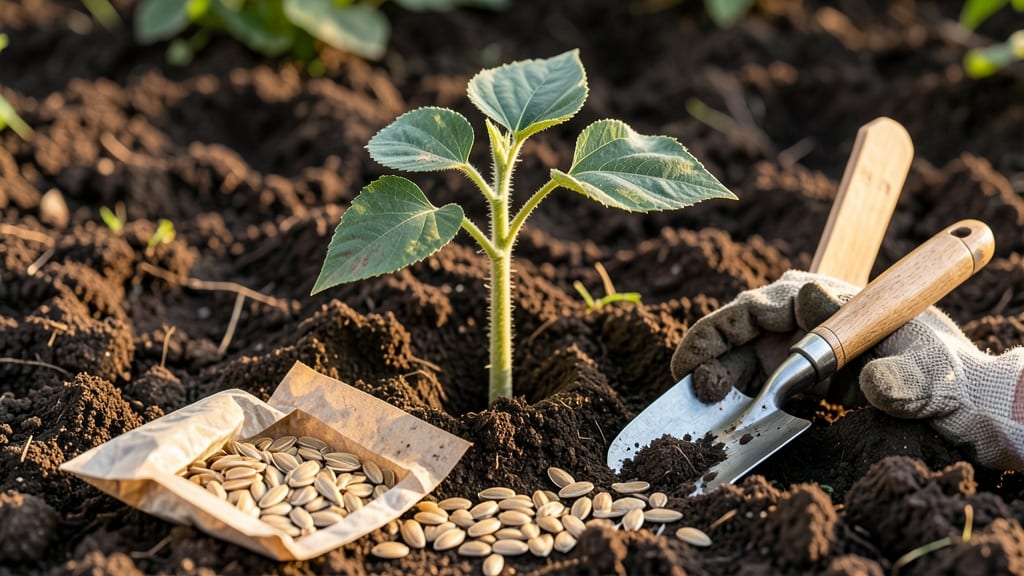
If you've ever planted sunflowers in Texas only to watch them struggle through scorching heat or late frosts, you know timing is everything for these cheerful giants. The Lone Star State's diverse climate—from North Texas' chilly mornings to South Texas' relentless sun—means your planting window can't be one-size-fits-all.
I've grown sunflowers 🌻 across Texas' heat zones, and the difference between a thriving 12-foot beauty and a sad, stunted plant often comes down to when you pop those seeds in the ground.
Whether you're in frost-prone Zone 7b or the toasty Zone 9b of the Rio Grande Valley, knowing the perfect moment to start your sunflowers makes all the difference in your garden's summer spectacle.
What you're about to discover isn't just about avoiding frost—it's about harnessing Texas' long growing season for fast germination and maximum bloom time.
We'll break down the ideal planting months for each region, plus pro tips to extend your sunflower season when Mother Nature throws curveballs like early heatwaves or unexpected cold snaps.
Ready to turn your Texas garden into a sunflower paradise? Let's dive into the heat-zone planting calendar that'll have your sunflowers reaching for the sky—just in time for summer's golden glow.
Texas heat-Zone planting calendar for sunflowers: frost-free timing by region
Texas spans 11 USDA hardiness zones (6a-9b), meaning planting times vary dramatically from the Panhandle's chilly springs to South Texas' year-round warmth. Sunflowers (Helianthus annuus) need soil temperatures above 55°F to germinate, but they also bolting risk if planted too early in hot zones.
Let's break down the optimal planting windows by region to ensure your sunflowers reach their full 12-foot potential without frost damage.
The first frost dates in Texas range from mid-October in North Texas to never in South Texas. For sunflowers, which take 60-90 days to mature, timing is critical.
In cooler zones, aim for late spring plantings, while gardeners in South Texas (zones 8b-9b) can plant as early as February or even fall-winter for off-season blooms.
🌱 Key timing factors:
- Soil temperature (wait until ≥55°F)
- Frost risk (avoid planting 4-6 weeks before first frost)
- Heat tolerance (some varieties handle 100°F+ better than others)
- Succession planting (stagger sowings for continuous blooms)
For North Texas gardeners (zones 6a-7a), the May 1-June 15 window ensures sunflowers mature before the mid-October frost. Planting earlier risks bolting (premature flowering) due to heat, while late plantings may not reach maturity. Use black plastic mulch to warm soil faster in cooler zones.
In Central Texas (zones 7b-8a), the March 15-April 30 window aligns with soil temperatures consistently above 55°F. This region benefits from succession planting: sow seeds every 2-3 weeks until June 1 to enjoy blooms through fall.
The first frost typically arrives in November, giving sunflowers a 5-6 month growing season.
Gardeners in South Texas (zones 8b-9b) have the luxury of <
Texas heat-Zone planting calendar for sunflowers: frost-free timing by region
Texas spans 11 USDA hardiness zones (6a-9b), meaning frost dates vary wildly from North Texas to the Rio Grande Valley. Sunflowers need warm soil (at least 60°F) to germinate, so timing depends on where you live.
In Zone 6a, plant after the last frost date (typically mid-April), while Zone 9b gardeners can sow as early as February.
For optimal growth, aim to plant sunflowers when daytime temperatures stay above 70°F consistently. This ensures fast germination (5-10 days) and robust stems before summer heat peaks. In East Texas, where humidity is high, start seeds indoors 4-6 weeks before the last frost to avoid damping off.
Here’s a region-by-region breakdown of ideal planting windows, soil temperature thresholds, and frost-free timelines to maximize your sunflowers’ bloom potential:
In North Texas (Zones 6a-7b), where late frosts are common, wait until after May 1 to plant outdoors. Use black plastic mulch to warm the soil faster and stagger plantings every 2 weeks for continuous blooms.
For South Texas (Zones 8a-9b), you can even plant a fall crop in September for holiday-season blooms.
Pro tip: Check your local AgriLife Extension office for hyper-local frost data, as microclimates (like urban heat islands) can shift planting windows by 2-3 weeks.
For example, Amarillo (Zone 7b) may need to wait until May 15, while San Antonio (Zone 8b) can plant as early as March 1.
Once planted, sunflowers grow 2-3 inches per day in ideal conditions—so timing is everything to avoid bolting too late or wilting in summer heat. Happy planting! 🌻