
Plants
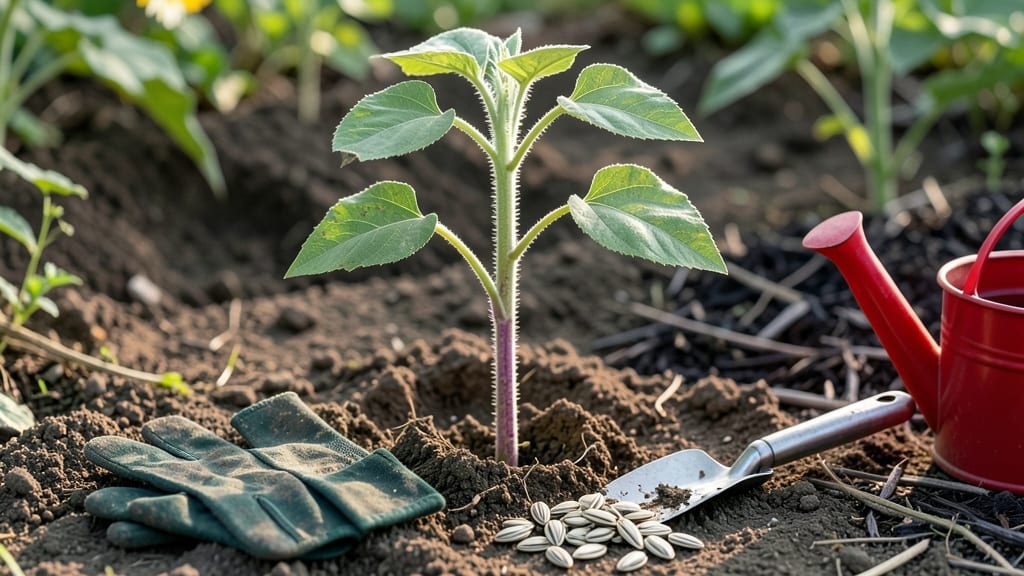
Planting sunflower seeds in Florida might seem like a no-brainer with all that sunshine, but timing is everything—especially when you're chasing those towering 🌻 blooms that can reach up to 16 feet tall.
Skip the wrong window, and you'll end up with leggy, struggling plants instead of vibrant giants ready to brighten your garden by summer.
Florida's frost-free zones (like 9a-11) give you flexibility, but heat and humidity play tricks on sunflowers too. Plant too early, and you risk stunted growth from cool soil; too late, and the scorching summer sun can fry your seeds before they sprout.
The key is tapping into Florida's two prime seasons: spring's gentle warmth and fall's cooling breeze—both perfect for coaxing these golden beauties to thrive.
I've seen firsthand how a few weeks difference can mean the difference between a sunflower that barely reaches your waist and one that towers over your fence.
Whether you're in North Florida where summer heat hits early or South Florida where the dry season demands extra care, I'll break down the exact months to plant for faster, healthier growth—and how to avoid the three mistakes that trip up even experienced gardeners.
Ready to grow sunflowers that turn heads? Let’s dive into the secrets of Florida’s planting calendar, from soil temps to seasonal cues, so you can enjoy those cheerful faces from April to November without the guesswork.
Best planting months for sunflowers in Florida (by region)
Florida’s frost-free climate makes sunflowers a year-round possibility—but timing still matters. The key is avoiding peak summer heat (May-July) and late-season hurricanes (August-September). Instead, focus on spring and fall when temperatures are mild and consistent.
North Florida (Zones 8a-9a) has the narrowest window due to rare light frosts in winter. Central Florida (Zones 9b-10a) enjoys longer growing seasons, while South Florida (Zones 10b-11) can plant almost year-round with heat-tolerant varieties.
Here’s the breakdown you need to maximize growth speed and bloom size in your region:
| Region | Best Planting Months | Avoid | Soil Temp | Days to Maturity |
|---|---|---|---|---|
| North Florida (Zones 8a-9a) | February - April, August - September | May-July (heat stress), December (frost risk) | 55°F+ | 60-90 days |
| Central Florida (Zones 9b-10a) | January - April, August - October | June-July (peak heat), November (hurricane season) | 60°F+ | 50-80 days |
| South Florida (Zones 10b-11) | September - March (year-round possible) | April-May (extreme heat) | 65°F+ | 45-70 days |
For North Florida, prioritize February-March planting to beat summer’s oppressive heat. In Central Florida, you can stretch into late October for fall blooms, but watch for hurricane warnings that can uproot young plants.
South Florida gardeners have the most flexibility—plant September-October for winter blooms or January-February to avoid summer’s 100°F+ temperatures. Just ensure your soil stays moist but not soggy during dry spells.
Pro tip: Use a soil thermometer to confirm 55°F+ soil temps before planting. Cold soil slows germination, even in Florida’s warm air. Aim for 60°F+ for faster sprouting.
In North Florida, late August is your second chance—plant heat-tolerant varieties like ‘Moulin Rouge’ to survive until October harvests. Central Florida can push into early November if you’re quick.
Remember: Sunflowers love long daylight hours. Plant in spring for maximum sun exposure and summer blooms, or in fall for winter sunshine before shorter days arrive.
🌻
3 Critical mistakes Florida gardeners make (and how to Fix them)
Even in Florida’s frost-free paradise, sunflower seeds can still fail if you overlook these three common mistakes. I’ve seen gardeners in Orlando and Tampa lose entire batches because they ignored these pitfalls—don’t let it happen to you.
The first mistake? Planting too early when soil temps are still cool, which slows germination and invites fungal diseases.
Sunflowers need soil that’s at least 55°F to sprout properly. In North Florida, this usually means waiting until mid-March or later. In South Florida, you can start as early as February, but always check soil temps with a simple thermometer—it’s a game-changer for avoiding leggy, weak seedlings.
Sunflower seeds rot when soil temps are below 55°F. Use a soil thermometer to confirm warmth before planting.
✅ Fix: Wait until soil reaches 60°F+ for faster germination and stronger roots.
The second mistake I see all too often is ignoring heat stress during Florida’s brutal summer months. Planting in June or July might seem logical, but the relentless sun and high humidity can fry your seeds before they even sprout.
Even if they do germinate, the plants often bolt—shooting up tall and skinny without proper blooms.
Instead, aim for late summer planting (August-September) when temps start cooling slightly. This gives your sunflowers time to establish roots before the winter chill sets in. If you’re determined to plant in summer, use shade cloth for the first few weeks to protect young seedlings from scorching.
Mistake #2: Summer Planting Without Protection
Peak summer heat (June-August) causes seeds to dry out or bolt prematurely.
✅ Fix: Plant in August-September or use shade cloth for summer starts.
The third mistake is skipping soil preparation. Florida’s sandy soils drain too quickly, and sunflowers need consistent moisture to grow strong. Many gardeners just toss seeds into the ground without amending the soil, leading to stunted growth or plants that topple over in storms.
Always mix in 2-3 inches of compost or aged manure before planting to improve water retention and nutrient availability.
For container gardening, use a well-draining potting mix with added perlite or vermiculite. And here’s a pro tip: mulch around your sunflowers with straw or wood chips to keep moisture locked in and weeds at bay. This simple step can double your success rate in Florida’s unpredictable climate.