
Flowers
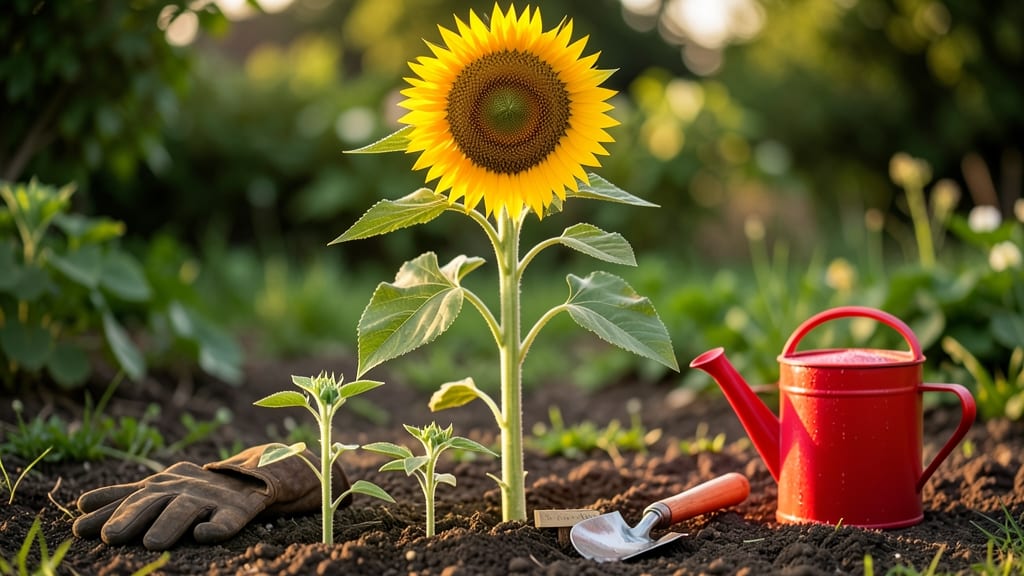
Planting sunflowers in Alabama at the wrong time can turn your dream garden into a sad, wilted disappointment—but timing these bright 🌻 beauties just right unlocks their full potential.
The key lies in Alabama’s unique climate zones, where mid-April to early June offers the perfect window to beat the heat and frost.
Why does timing matter so much? Sunflowers need warmth to thrive, and Alabama’s 7b-8b zones mean you’ve got a short but sweet window before summer’s intensity kicks in.
Plant too early, and you risk frost damage; too late, and your blooms may struggle to mature before the first autumn chill arrives.
I’ll break down the exact dates for each zone, plus pro tips to extend your growing season—because in Alabama, where humidity and heat can play tricks, preparation is everything. Let’s make sure your sunflowers grow fast and tall, not slow and stunted.
From soil prep to spacing secrets, you’ll learn how to give your sunflowers the best possible start. Ready to turn your garden into a sunflower spectacle? Let’s get planting!
Best sunflower planting dates in Alabama by USDA Zone (2024 guide)
Alabama’s USDA Zones 7b-8b create a perfect canvas for sunflowers, but timing your planting is the secret to success. Sunflowers (Helianthus annuus) love warmth, and Alabama’s long growing season means you can plant them from late March to early July.
However, the exact dates depend on your specific zone and last frost date.
Most of Alabama experiences its last average frost between March 15 and April 15, with northern zones like Zone 7b (e.g., Huntsville) frost-free later than southern zones like Zone 8b (e.g., Mobile).
Planting too early risks frost damage, while waiting too long can stunt growth before harvest. Let’s break down the best planting windows for each zone.
Pro Tip: Use a soil thermometer to confirm soil temperatures are at least 50°F (10°C) before planting. Sunflowers germinate best in warm soil, and Alabama’s spring soil warms quickly once frost is gone.
| USDA Zone | Last Frost Date | Ideal Planting Window | Soil Temp Requirement | Harvest Window |
|---|---|---|---|---|
| 7b (North AL: Huntsville, Decatur) | March 20 - April 5 | April 15 - May 15 | 50°F (10°C) | Late August - October |
| 8a (Central AL: Birmingham, Montgomery) | March 1 - March 15 | March 20 - June 1 | 50°F (10°C) | Late July - October |
| 8b (South AL: Mobile, Dothan) | February 15 - March 1 | February 28 - June 15 | 50°F (10°C) | Early July - November |
🌻 Note: For dwarf varieties (2-4 ft), extend planting to early July for fall blooms.
If you’re in Zone 7b, aim for mid-April to mid-May planting to avoid late frosts. Gardeners in Zone 8a can start as early as late March, while those in Zone 8b might even plant dwarf varieties in late February for early blooms.
The key is to plant when the soil is consistently warm and frost risk has passed.
For late-season sunflowers, you can also sow seeds in early July for a fall harvest. These plants will mature faster in Alabama’s heat but still produce stunning blooms before the first frost. Just be sure to choose short-day varieties, which thrive in Alabama’s long summer days.
One common mistake is planting sunflowers too close to summer’s peak. If you sow seeds in June or July, they may bolt (go to seed) too quickly, reducing bloom size.
For the best results, stick to the spring planting window for standard varieties and reserve late summer for dwarfs.
Alabama’s humidity and heat can also affect germination. To improve success rates, soak seeds overnight before planting or use a seed starter to kickstart growth. Once sprouted, sunflowers are surprisingly resilient, but giving them a head start in warmer conditions pays off.
Finally, consider your microclimate. Areas near large bodies of water (like Mobile Bay) may have milder winters, allowing for earlier planting. Conversely, inland valleys (like the Tennessee River Valley) might experience later frosts. Observe your local patterns for 2-3 years to fine-tune your planting schedule.
With these zone-specific dates and a little preparation, your sunflowers will reach their full 6-14 ft potential and bring joy to your Alabama garden all season long. Happy planting! 🌱
How to extend sunflower growing season in Alabama’s heat and humidity
Alabama’s summer heat can turn your sunflower garden into a wilted disappointment if you don’t adjust your approach. With temperatures often soaring past 90°F (32°C), these sun-loving plants need extra care to thrive.
The key is balancing heat protection with proper moisture—without smothering their roots or inviting pests. Let’s break down the best strategies to keep your sunflowers tall, healthy, and blooming all season long.
First, always plant heat-tolerant varieties like ‘Autumn Beauty’ or ‘Moulin Rouge,’ which handle Alabama’s humidity better than delicate hybrids. These varieties also mature faster, meaning they’ll produce blooms before the worst heat arrives. Pair them with shade cloth (30-50%) during peak afternoon sun (12 PM–4 PM) to prevent leaf scorch. Just
🌱
Use 30-50% shade cloth during 12 PM–4 PM in July–August.
Remove by 4:30 PM to allow full sun for photosynthesis.
Avoid full shade—sunflowers need 6+ hours of direct light daily.
Apply 2-3 inches of mulch (straw or pine needles) to retain moisture and cool roots.
Keep mulch 6 inches away from stems to prevent rot.
Replenish every 4-6 weeks as it breaks down.
Water deeply in the morning (1-2 gallons per plant) to avoid fungal diseases.
Space waterings 5-7 days apart once established (young plants need every 3-5 days).
Use drip irrigation to keep leaves dry and reduce evaporation.
Amend soil with compost before planting to improve drainage and water retention.
Aim for pH 6.0–6.8—sunflowers hate acidic or alkaline soil.
Add perlite or sand if your soil is clay-heavy.
Watch for aphids and powdery mildew—common in Alabama’s humidity.
Spray neem oil preventatively every 2 weeks in summer.
Remove yellowing leaves immediately to stop disease spread.
Don’t forget to stake tall varieties like ‘Russian Giant’ in late summer when winds pick up. Use bamboo stakes or tomato cages to prevent toppling, especially if you’re growing near fences or walls where wind funnels.
And if you’re planting in July for a fall harvest, choose short-day varieties like ‘Teddy Bear’—they’ll bloom faster in Alabama’s shorter autumn days.
With these adjustments, your sunflowers will outshine even the hottest Alabama days, giving you vibrant blooms from June through October. The secret? Proactive care beats reactive fixes every time.
Start with shade, mulch, and morning water, and watch your sunflowers reach their full potential—no wilting in sight! ☀️