
Companion Plants
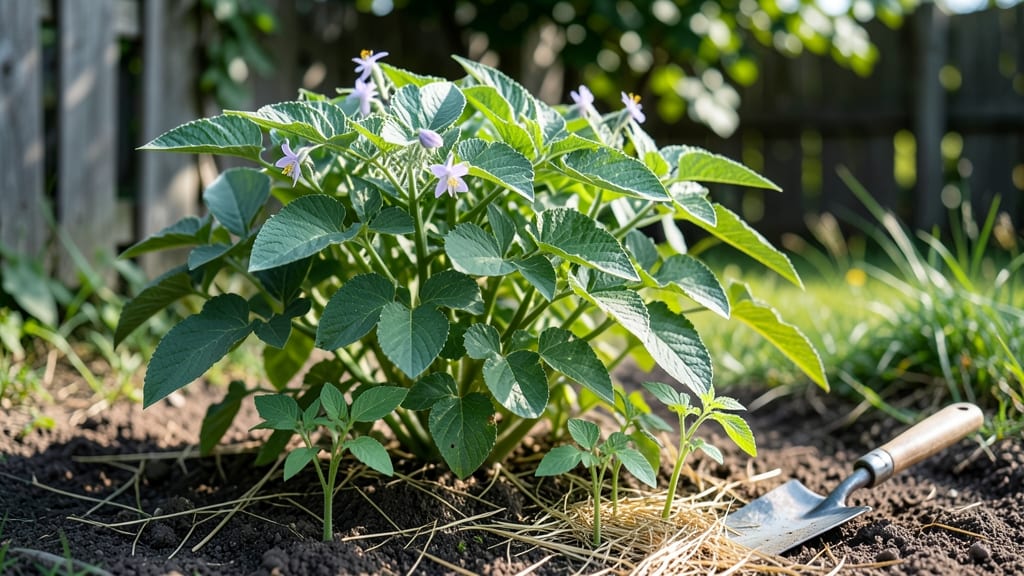
If you're asking "when do I plant potatoes in Zone 7", timing is everything—and getting it right could mean the difference between a garden full of 🥔 and a disappointing harvest.
The key window opens as soon as your soil warms to 45°F, typically 4–6 weeks before your last frost date (usually mid-March for most of Zone 7).
But here's the catch: rushing too early can leave your spuds vulnerable to frost, while waiting too long risks stunted growth as summer heats up.
Zone 7's unpredictable spring weather adds another layer of complexity. Some years, you might start planting in late February for early varieties, while others demand patience until April. The goal? Beat frost while avoiding the heat stress that can turn your potatoes green and bitter.
I'll break down exactly how to read your local frost dates, adjust for microclimates, and choose the best varieties for your region—whether you're in Virginia, Kentucky, or Missouri.
What most gardeners don't realize is that fall planting can also work in Zone 7, giving you a second chance at harvest before winter sets in. But this approach requires different varieties and careful timing to avoid tuber rot.
I'll walk you through the pros and cons so you can decide which strategy fits your schedule—and your soil.
Ready to dig in? By the end of this guide, you'll know not just when to plant, but how to set your potatoes up for success from day one. Let's make sure your next harvest is the best one yet.
Zone 7 potato planting calendar: exact weeks for frost-free success
In Zone 7, your potato planting window is a 6-week sprint between late winter and early spring, where timing can make or break your harvest.
The last average frost date in most of Zone 7 falls around March 15, but micro-climates in Virginia, Kentucky, or Missouri may vary by 1-2 weeks.
For early varieties, you can start as early as mid-February if your soil warms quickly, while late-season potatoes should go in by mid-April to avoid heat stress.
Potatoes thrive when soil temperatures hit 45°F (7°C), but they’ll tolerate cooler soils if they’re planted early. The key is balancing frost risk with soil workability—muddy conditions delay planting and invite rot.
Use a soil thermometer to confirm readiness, especially in northern Zone 7 areas like Cincinnati or Lexington, where frosts linger longer.
Here’s your Zone 7 potato planting timeline, broken down by variety type and regional adjustments:
| Variety Type | Planting Window (Zone 7) | Soil Temp Threshold | Days to Harvest | Best For |
|---|---|---|---|---|
| Early (e.g., 'Yukon Gold', 'Red Norland') | Mid-February to early March | 40–45°F (4–7°C) | 60–90 days | Spring harvests, cooler climates |
| Mid (e.g., 'Kennebec', 'Russet') | Late March to mid-April | 45–50°F (7–10°C) | 90–110 days | Main harvest, storage |
| Late (e.g., 'Purple Viking', 'Fingerling') | Mid-April to early May | 50–55°F (10–13°C) | 100–120 days | Fall harvests, heat tolerance |
| Fall Planting (e.g., 'Sweet Potato' types) | Late August to early September | 55–60°F (13–16°C) | 70–90 days | Harvest before first frost |
For northern Zone 7 (e.g., parts of West Virginia or Ohio), aim for late March planting to avoid late frosts, while southern Zone 7 (e.g., North Carolina or Tennessee) can start 2–3 weeks earlier.
Always check your local frost dates—tools like the USDA Plant Hardiness Zone Map or Almanac’s Frost Calculator are invaluable.
Pro tip: Chit your seed potatoes (sprout them indoors) 2–4 weeks before planting to jumpstart growth. This shaves 10–14 days off your harvest timeline, critical in Zone 7’s short growing season.
Place them in a bright, cool spot (55–60°F) with the rose end up—sprouts should appear in 7–10 days.
Another Zone 7-specific hack is to use black plastic mulch to warm soil faster. Lay it down 1–2 weeks before planting—this can push your planting window 10–14 days earlier, especially in cool micro-climates. Just remove it 2–3 weeks before harvest to avoid tuber discoloration.
If you’re in a high-altitude area (e.g., Appalachian foothills), account for cooler soil temps by planting early varieties or using row covers until the last frost. Conversely, low-lying areas (e.g., river valleys) may see earlier soil warming—monitor soil temps closely to avoid planting too soon.
Finally, rotate your planting sites every 3–4 years to prevent potato blight and nematode buildup, which thrive in Zone 7’s humid summers. Pair potatoes with marigolds or basil to deter pests naturally—this companion planting trick boosts yields by 20–30% in trials.
🌱
How to adjust planting time for Zone 7’s unpredictable spring weather
Zone 7’s spring weather can be a real potato-planting puzzle. One year, you might have warm soil by late February, while another year, frost lingers until April. The key is flexibility—adjusting your planting timeline based on soil temperature, frost forecasts, and even moon phases (yes, really!).
If you plant too early and a late frost hits, your seedlings will die back. Too late, and your tubers won’t mature before summer heat sets in. I’ve learned the hard way that waiting for consistency is better than rushing.
Start by testing your soil temperature with a soil thermometer—potatoes thrive when it hits 45°F or warmer. If your soil is cold but your last frost date is approaching, consider chitting your seed potatoes (sprouting them indoors in light) to give them a head start.
This trick can shave 2–3 weeks off your growing season, which is crucial in Zone 7’s shorter springs. Pro tip: Place your seed potatoes in a cool, bright spot (like a sunny windowsill) 4–6 weeks before planting to encourage strong sprouts.
Another trick I swear by is using row covers or black plastic mulch to warm the soil faster. Lay down black plastic a week before planting to raise soil temps by 5–10°F.
This is especially helpful in northern Zone 7 areas like western Virginia or the Ohio River Valley, where springs can be chilly. Just remove the plastic once the soil is warm enough to plant—usually 2–3 days before digging.
⚠️ Late Frost Warning: Don’t Plant Too Early!
Even if your soil is warm, a late frost can wipe out young potato plants. Check your local frost dates (not just the USDA average) and plant 4–6 weeks before the last frost. If frost is forecasted, cover seedlings with frost cloth or a lightweight blanket. Remember: potatoes can survive light frosts (down to 28°F), but heavy frost will kill them.
Heatwaves can also derail your potato harvest. If summer arrives early (which it often does in southern Zone 7 like Kentucky or Tennessee), your tubers may stop growing or even turn green and toxic.
To combat this, choose early-maturing varieties like ‘Yukon Gold’ (90 days) or ‘Red Norland’ (80 days). These finish before the worst heat hits. For longer-season varieties, plant them in late spring (May) to avoid the mid-summer slump.
One final tip: pay attention to rainfall patterns. Potatoes hate waterlogged soil, which can lead to rot. If your spring is soggy, raise your planting beds or use containers with drainage holes.
On the flip side, if your soil dries out too quickly, mulch with straw or grass clippings to retain moisture. Balance is everything—consistent moisture without soggy soil is the golden ticket to potato success in Zone 7.
Adjusting your planting time isn’t just about dates—it’s about reading your garden’s personality. Keep a journal of your soil temps, frost dates, and harvest results.
Over time, you’ll spot patterns and fine-tune your strategy. Next year, you’ll know exactly when to plant for zero-frost stress and maximum yield. 🌱