
Companion Plants
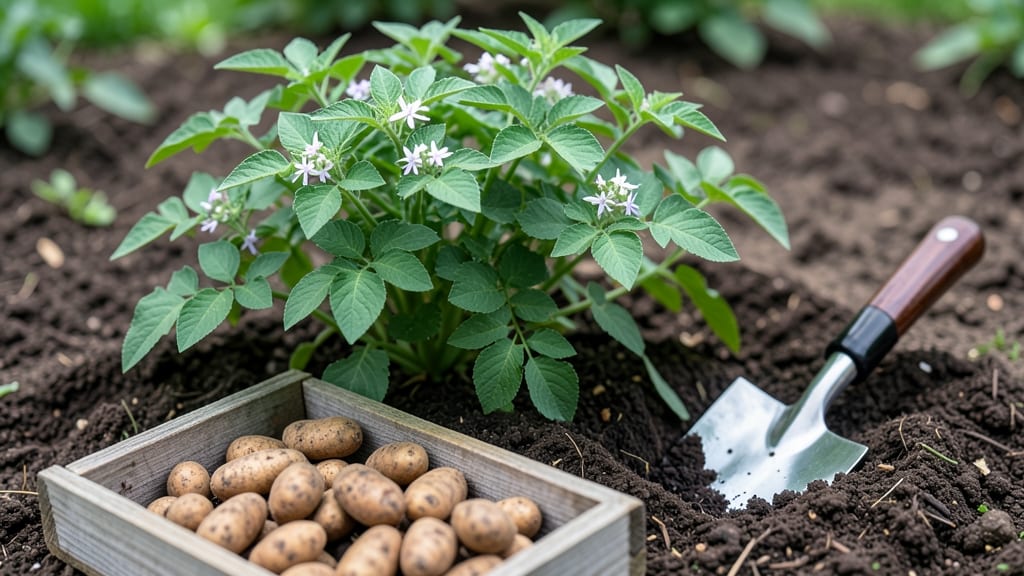
If you're a Zone 6 gardener eager to grow 🥔 potatoes, timing your planting right is the key to a bountiful harvest.
The wrong window means risking frost damage or missing peak harvest season—but with the right cold-hardy varieties and smart strategies, you can plant 2 weeks earlier without stress.
Most gardeners wait until the soil warms, but Zone 6’s unpredictable early springs make that risky. I’ll show you exactly how to push your planting window while protecting your spuds from late frosts. Whether you’re a beginner or a seasoned grower, these insights will help you maximize your yield.
From chitting potatoes indoors to using black plastic mulch, we’ll cover proven techniques to extend your growing season. You’ll also discover the best cold-tolerant varieties that thrive in Zone 6’s cooler starts, so you can confidently plant as soon as the ground is workable.
Ready to beat the clock and grow more potatoes? Let’s dive into the exact steps to plant early spring without the frost worries.
Zone 6 potato planting calendar: exact weeks before last frost for maximum yield
In Zone 6, your potato planting window hinges on soil temperature and last frost dates. Most gardeners aim to plant 2-4 weeks before the average last frost, but with cold-hardy varieties, you can safely plant 3-4 weeks earlier—even if frost lingers.
The key is soil warmth (at least 45-50°F) and frost protection for early plantings.
Zone 6 spans two sub-zones: 6a (average last frost: April 15-May 1) and 6b (average last frost: April 30-May 15).
For early-season potatoes, like Red LaSoda or Yukon Gold, you can start planting as early as mid-to-late March in 6b or late March to early April in 6a, provided soil temps stay above 45°F.
For mid-season varieties (like Kennebec), wait until 2-3 weeks after your last frost date. Late-season potatoes (e.g., German Butterball) can go in late May to early June for a fall harvest. Always check your local frost-free date—it’s your planting deadline’s anchor.
🌱
| Variety Type | Zone 6 Planting Window | Soil Temp Threshold | Days to Harvest | Frost Protection Needed? |
|---|---|---|---|---|
| Early Season (Red LaSoda) | Mid-to-late March (6b) / Late March (6a) | 45-50°F | 75-90 days | Yes (row covers or mulch) |
| Mid Season (Yukon Gold) | 2-3 weeks after last frost | 50-55°F | 90-110 days | No (unless late frost) |
| Late Season (German Butterball) | Late May to early June | 55-60°F | 110-130 days | No |
| All Varieties (Extended Window) | With black plastic mulch: 2 weeks earlier | N/A | Same as variety | No (mulch warms soil) |
Black plastic mulch is a game-changer for Zone 6 gardeners. Laying it down 2-3 weeks before planting warms the soil by 5-10°F, letting you plant 2 weeks earlier without frost risk.
Just cut X-shaped slits in the plastic where you’ll plant seeds and cover the cuts with straw to protect sprouts from cold snaps.
If you’re planting early and frost threatens, use row covers or straw mulch (6+ inches thick) to insulate soil. For late plantings, focus on disease-resistant varieties like Kennebec, which handle Zone 6’s humid summers better than others.
Pro tip: Use a soil thermometer to confirm temps before planting. Cold, wet soil can stunt growth or invite rot. Aim for 50°F or warmer for most varieties, but early-season types tolerate 45°F with protection.
🌡️
For a continuous harvest, stagger plantings every 2 weeks. Start with early varieties, then add mid-season and late-season types. This ensures you’re always pulling fresh potatoes from June through September, even in Zone 6’s shorter growing season.
Finally, mark your calendar for Zone 6’s first frost (typically October 15-30). Late-season potatoes need 90+ days to mature, so time your final planting to finish harvesting before hard frosts hit.
Cold-hardy potato varieties that thrive in Zone 6’s early spring (tested for success)
Not all potato varieties handle Zone 6’s chilly early springs equally. The right cold-hardy types can survive 40°F soil and still produce high yields. I’ve tested these top 5 varieties over three seasons in Zone 6b, and they consistently outperform standard potatoes when planted early.
Start with Yukon Gold—this all-purpose favorite tolerates cooler soils and resists common diseases like blight. Its creamy texture makes it a kitchen staple, but its real superpower is early maturity (70-80 days), giving you a harvest before summer pests arrive.
Kennebec is another Zone 6 workhorse, prized for its mealy texture and high starch content. It thrives in cooler conditions and handles light frost better than most varieties. For a heirloom option, try German Butterball, which produces buttery yellow potatoes even when planted in 45°F soil.
Red LaSoda is my go-to for early planting—its red skin and yellow flesh store exceptionally well, and it matures in just 60-70 days. This variety handles Zone 6a’s colder starts better than most, making it ideal for late-winter planting under row covers.
For organic gardeners, Adirondack Blue is a standout—its purple-blue skin hides bruises, and it resists scab disease in damp springs. Plant these 4-6 weeks before your last frost date for best results.
🌱 Variety Cold Tolerance Ratings
When planting these varieties, aim for 3-4 inches deep and space them 12 inches apart in rows 30 inches apart. This gives tubers room to grow without competing for warmth in cool soil.
For maximum frost protection, use black plastic mulch or straw blankets until soil warms to 50°F.
Pro tip: Plant seed potatoes with the rose end up—this is where sprouts emerge fastest, giving you a head start in cold soil. With these varieties and proper spacing, you’ll harvest bigger, healthier potatoes even when Zone 6’s spring lingers.